


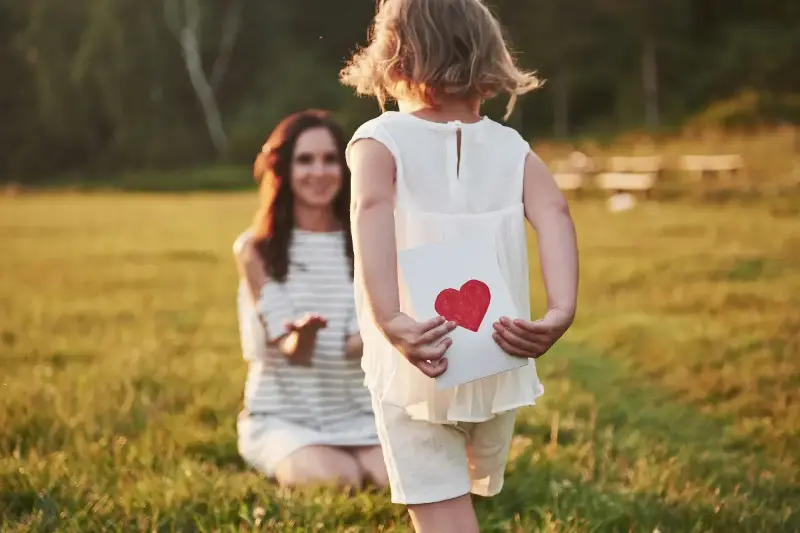
Parenting sometimes feels like a whirlwind of tasks, lessons, and rushed goodbyes. Amid the hustle, the simple practice of gratitude can often be overlooked. Yet, researchers have discovered that children who cultivate thankfulness enjoy greater happiness, resilience, and even better sleep. Gratitude acts as a grounding force, tethering kids to the positive moments and people around them, helping them to see abundance rather than scarcity. In a world that often emphasizes what we lack, teaching our children to notice, name, and appreciate life’s small treasures could be one of our most powerful parenting tools.
Transforming “thank you” into a habit, not a homework
Getting kids to genuinely feel thankful is different from simply instructing them to say “thank you.” How do we get beyond automatic manners to something deeper? Small, everyday actions make it possible. For example, consider ending each day with a family “gratitude circle,” where everyone shares one thing they appreciated that day. This habit creates connection and models reflective thinking. Experts recommend consistency; the key isn’t how elaborate your gratitude rituals are, but how often you practice them.
Some families find success with gratitude journals. Children as young as four can draw pictures of things they appreciate—a favorite friend, a sunny park day, or even the taste of breakfast pancakes. For older kids, journals can become a private space for more thoughtful entries, fostering emotional awareness and self-reflection.
Turning ordinary moments into thankful memories
Did you know that experiences create stronger gratitude than possessions? Psychologists note that memories made during family activities—whether cooking together, exploring a park, or creating a silly home movie—help kids value the moment over material gifts. Whenever possible, focus on togetherness: point out what went well during an outing or reminisce about a shared laugh. These simple acts embed gratitude in your child’s daily narrative.
Here are a few more easy ways to immerse gratitude in daily life:
- Place a “thankful jar” in the kitchen where anyone can drop a note about something good that happened.
- Write short thank-you letters or drawings to community helpers, like teachers or mail carriers.
- Set a timer and have a three-minute “gratitude scavenger hunt” where everyone lists as many things as possible that make home special.
Helping kids connect gratitude to their world
The magic of gratitude grows when it moves outward. Encourage your children to recognize the efforts of others and give back in age-appropriate ways. Volunteer together at a community garden or participate in simple acts of kindness like donating old toys. When kids see the effect their gratitude has on others, it amplifies their empathy and sense of belonging.
For a deeper experience, ask your child to reflect on:
- Who helps you every day, and how do they make your life better?
- What small thing made today brighter?
- What would you miss if it suddenly disappeared?
These prompts help broaden their perspective beyond personal wants and open their eyes to the interconnectedness of daily life.
Everyday gratitude, lifelong benefits
The journey to helping kids feel truly thankful isn’t about grand gestures—it’s about gently inviting gratitude into daily routines. With patience and creativity, parents can plant the seeds of happiness, resilience, and contentment. As you discover what methods resonate with your family, you may find gratitude transforming your own outlook, too.
What everyday gratitude rituals might you create this week? Sometimes the simplest thank you can spark the deepest joy—are you ready to find out how?