


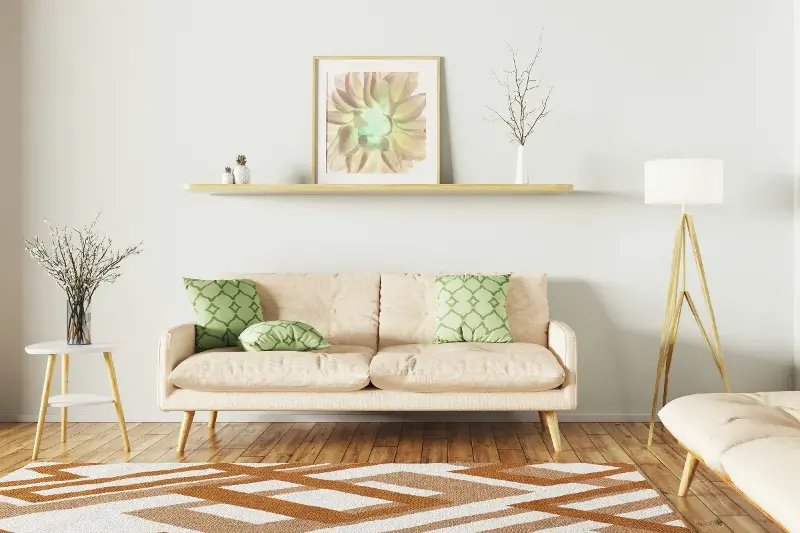
Ready to shake off the neutrals and wake up your space? Pattern layering, once the secret tool of avant-garde designers, is taking the spotlight in modern homes. This dynamic approach blends unexpected prints, textures, and tones to create rooms that feel curated rather than chaotic. The trick? Mastering the balance between eclectic energy and effortless elegance. From classic stripes side by side with wild botanicals to geometric rugs anchoring delicate florals, layering isn’t just permissible—it’s the key to unlocking a bolder, more personal sanctuary.
Starting small: Habits of successful pattern play
If diving headlong into maximalism feels daunting, begin with targeted touches. Entryways, powder rooms, and reading nooks are ideal testing grounds. Here’s what seasoned decorators swear by:
- Use patterned throw pillows, blankets, or area rugs as movable statements.
- Introduce wallpapers with subtle repeats for foundational intrigue.
- Let a single statement chair or lampshade spark the layering scheme. These focused pop-ups let confidence grow and minimize commitment—a no-regret way to experiment before tackling larger zones.
The golden ratio: Balancing bold with basic
True pattern perfection lies in proportion. Too much chaos? The eye can’t rest. Too little? The space falls flat. The pros recommend the 60-30-10 rule:
- 60%: A dominant pattern, such as a large-scale rug or wallpaper.
- 30%: A secondary supporting pattern, usually smaller or complementary in color.
- 10%: A playful accent—think a quirky print on a lampshade or pillows. Sticking to a cohesive color palette unites the mix, ensuring patterns look intentional, not accidental. For example, navy florals paired with ticking stripes and a dash of metallic polka dots anchor each piece within the same visual story.
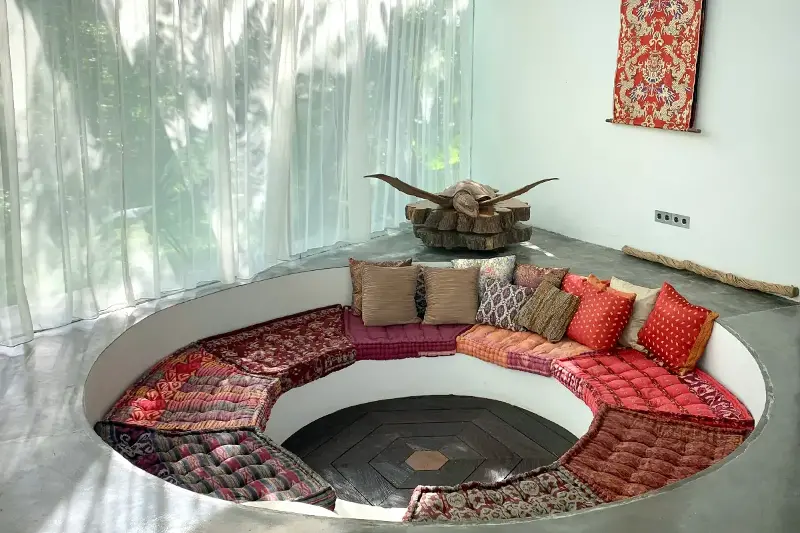
Mix, don’t match: Curating unexpected combos
Here’s the secret sauce: mix patterns with contrasting personalities. Consider these creative duos:
- Florals + stripes = timeless sophistication
- Ikat + geometric = global-chic vibrancy
- Animal print + plaid = bold yet grounded When patterns contrast in type or scale, the interplay feels artful rather than overwhelming. Texture, too, counts as a “pattern”—think velvet against linen, rattan with glossy ceramics. The trick is to vary visual weights so no single element steals the spotlight.
Effortless transitions: Spaces that flow
To avoid a patchwork effect, aim for gentle transitions between patterned zones. Open spaces especially benefit from visual cues that tie areas together:
- Repeat a key color throughout adjoining rooms for cohesion.
- Choose patterns from the same “family”—for example, motifs with curved lines.
- Layer large area rugs over neutral floors, then echo the pattern on adjacent upholstery or art. These subtle bridges ensure that, despite all the pattern play, your home feels serene, not jarring.
A living canvas: Make it your own
Pattern layering is art for your everyday. It tells your story, celebrates your passions, and infuses even the grayest days with character. The most inviting homes reflect their dwellers’ personalities, quirks, and boldness. The beauty is, there’s no strict formula—just guiding principles and a world of inspiration. So, where might your own pattern journey begin? Will it be the thrill of an unexpected pillow, the drama of wallpaper, or the handcrafted touch of layered throws? The next move is yours to make—let your home grow into the vibrant, bolder sanctuary you’ve always imagined.