


Across continents, statues stand watch over city squares, parks, and remote mountaintops. These monuments capture not just the likeness of heroes, deities, or ideals—they enshrine the stories, aspirations, and sometimes tragedies of entire cultures. But what ancient myths and modern messages remain hidden beneath their surfaces? Let’s step closer and discover the legends behind the world’s greatest statues and the powerful symbols they carry forward.
Colossal meanings: Decoding the icons we know so well
From the windswept plains of Giza to the bustling harbor of New York, some statues have become universally recognized icons. Think you know their stories? There’s more than meets the eye.
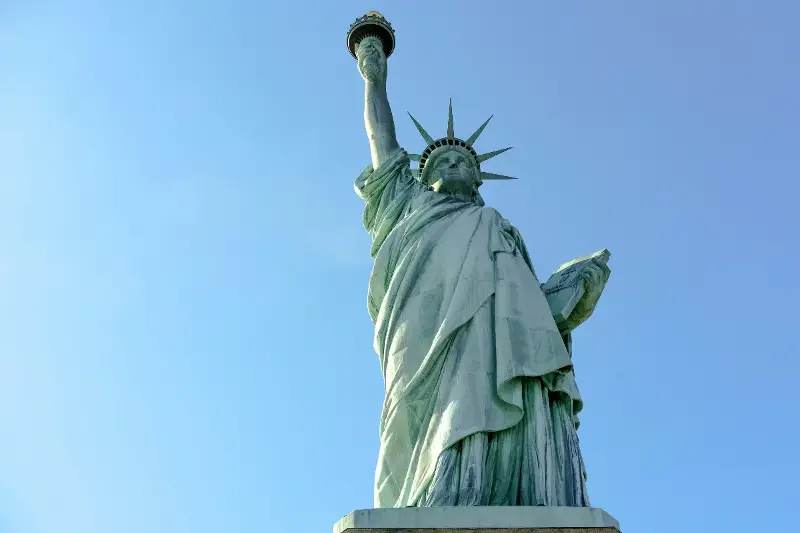
- The Statue of Liberty isn’t just a welcoming beacon for newcomers to America. The seven rays on her crown represent the seven continents and seas, signifying universal freedom. At her feet, broken chains symbolize liberation from oppression—a detail often overlooked by casual observers.
- Christ the Redeemer in Rio de Janeiro gazes protectively over the city below. But did you know that its outstretched arms were designed to symbolize peace and a universal embrace, rather than just religious observance?
- The Sphinx of Giza guards mysteries even today. Its lion body and human head have puzzled archaeologists for centuries. Ancient Egyptians saw the sphinx as a guardian figure, blending intelligence and strength to protect sacred places.
Legendary backstories: Myths that shaped the monuments
Every statue boasts a story, sometimes rooted in legend, sometimes in politics. Why were they made, and what tales do they continue to whisper?
Take the colossal Statue of David in Florence, Italy: more than a biblical figure, David symbolized the city’s defiance and independence during a time of political upheaval. Michelangelo’s depiction captured not just human beauty, but also an intense psychological moment—David contemplating his imminent battle.
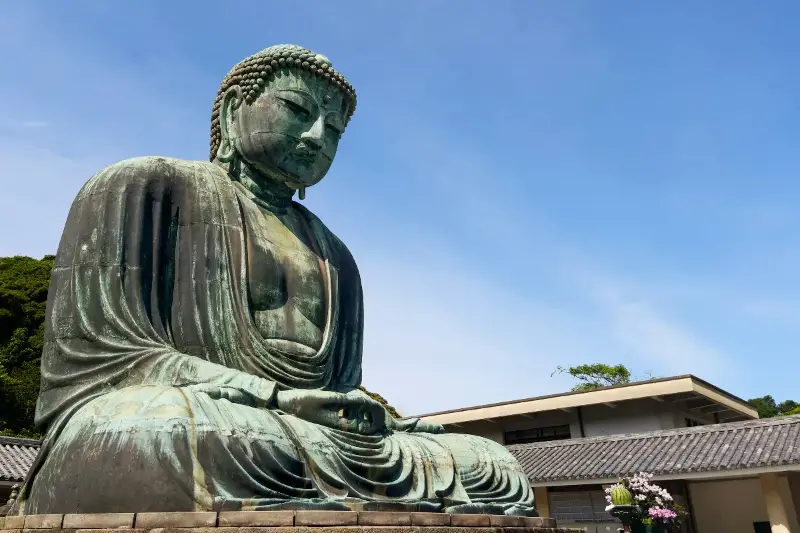
In Japan, the giant Great Buddha of Kamakura withstood tsunamis and earthquakes, outlasting the temple that once sheltered it. Local lore suggests that touching its hands brings peace, while its serene gaze reassures visitors that wisdom endures through all adversity.
Hidden in plain sight: Subtle messages and surprising details
Not all symbolism is as grand as a sweeping gesture or a piercing gaze.
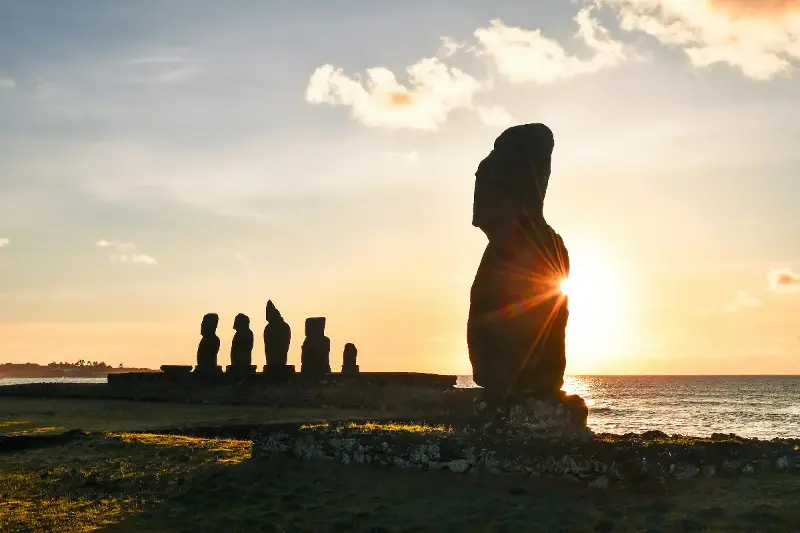
- The Moai of Easter Island are shrouded in mystery. Scholars believe they honor ancestors and project their power across the sea to protect the island—but did you know most of their enormous torsos remain buried beneath the earth?
- Paris’s Statue of Jeanne d’Arc depicts her mid-battle, but hidden details in her armor and steed hint at the real spirit of resilience that inspired France for generations.
- Across Asia, statues of Buddha’s hand gestures—called mudras—each hold different spiritual meanings; from fearlessness to teaching and enlightenment.
Why statues still speak: Symbols that move us across time
Why do these statues continue to inspire pilgrims and tourists, artists and revolutionaries?
- They connect us to shared hopes and common struggles
- They offer visual shorthand for complex ideas like liberty, peace, courage, or faith
- Their sheer scale urges reflection, humility, or awe
Centuries after their creation, we still debate what these statues “really mean.” Their legends evolve, drawing energy from our changing world.
In a fast-moving digital age, the world’s greatest statues invite us to pause—to consider not just their myths, but our own. What stories might future generations see carved into today’s monuments? Which new symbols will we dare raise skyward? Sometimes, the answers lie not just in stone or bronze, but in the questions we keep asking.