


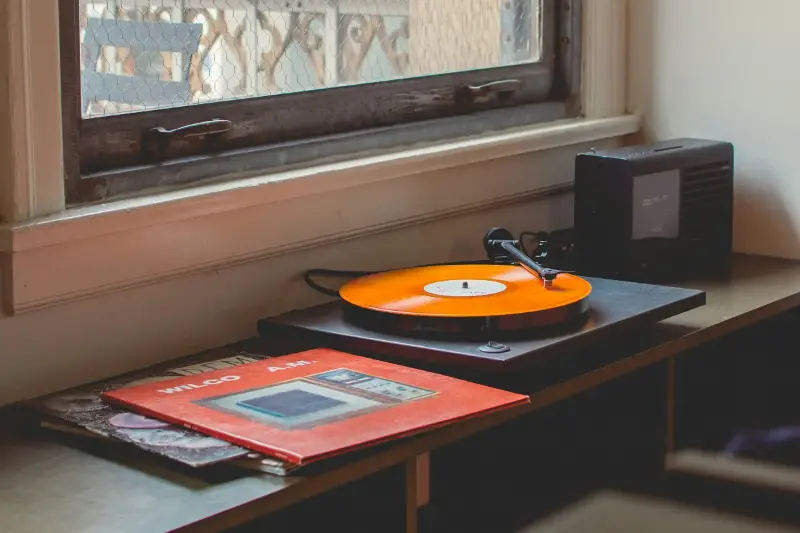
If you’ve ever caught yourself lingering over the gentle hiss of a vinyl record or spotting someone jotting down a heartfelt note on personalized stationery, you may have wondered: Why are so many of us embracing hobbies, crafts, and media from decades long past? Across the world, both men and women are rediscovering retro pastimes once thought relegated to the attic—vinyl, film photography, analog gaming, even the art of letter-writing—and imbuing them with fresh energy. This revival isn’t just nostalgia; it’s a cultural movement powered by a hunger for meaning and connection in a high-speed, digital-first age.
The tactile advantage: Senses engaged, memories triggered
Listening to music on vinyl is more than an auditory experience—it’s a ritual. The process of selecting a record, removing it from its sleeve, and lowering the needle creates a sense of intention that streaming on a smartphone can’t replicate. Studies have shown that physical engagement with objects fosters deeper emotional connections and even triggers vivid memories. Vinyl enthusiasts champion the “warmth” of analog sound, often attributed to harmonic distortions that our brains interpret as pleasing or “alive.” This same tactile satisfaction is found in retro hobbies like developing film photographs or handwriting love notes—each step becomes an act of mindfulness in an otherwise distracted world.
Connection & craft: Why we crave the personal touch
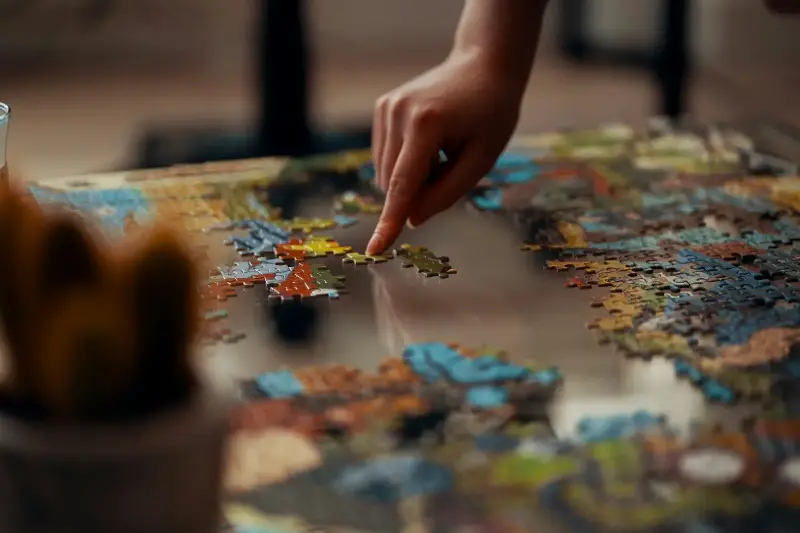
In a world run by algorithms, personal expression often takes a backseat to efficiency. Yet, retro hobbies flip this script. Writing a letter (rather than dashing off a text) or constructing a model airplane (instead of tapping a game app) offers a hands-on engagement that brings authenticity to the forefront. Major reasons why retro hobbies are making a heartfelt comeback include:
- Slowing down: Analog tasks require patience, encouraging you to savor the moment.
- Creativity: You choose the playlist, mix the tape, or set up the shot—every detail is customizable.
- Individuality: Physical artifacts, from vinyl gatefolds to handwritten notes, are unique and impossible to replicate digitally.
- Shared experience: Swapping stories about classic comic books or spinning records at a party cultivates social connection.
Retro appeal across generations: Not just for boomers
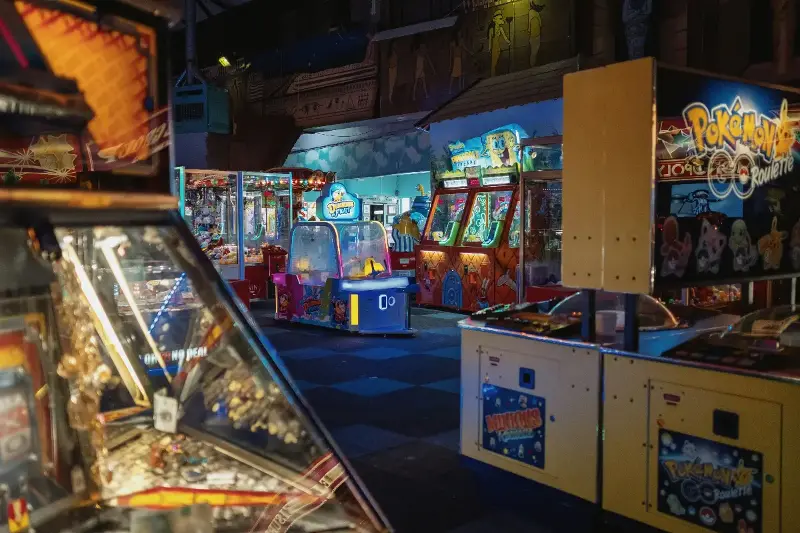
Interestingly, it’s not just those nostalgic for their youth who are embracing the analog revival. Millennials and Gen Z are flocking to vinyl shops, film stores, and vintage arcades, often driven by curiosity and aesthetics as much as nostalgia. According to the Recording Industry Association of America, vinyl sales outpaced CDs for the first time since 1987 in 2022, with many buyers under 30. For younger generations who grew up online, retro hobbies offer tangible proof that identity isn’t limited to social media profiles. Creating something physical—as simple as a Polaroid photo—becomes an act of self-expression and even rebellion against the ephemeral, “always-on” ethos of the digital world.
The science of nostalgia: Good for heart and mind
There’s more to this trend than a longing for “the good old days.” Psychologists say that nostalgia—triggered by music, mementos, or even the scent of old paper—can increase feelings of belonging, reduce loneliness, and boost positivity. Engaging in retro hobbies encourages us to connect with our own stories and those of others, bridging gaps across time and distance. In couples, these shared pastimes can deepen intimacy and spark joyful collaboration—from compiling a mixtape for a partner to trading handwritten notes tucked into lunch bags.
Where do we go from here?
As retro hobbies continue to capture the imagination of people worldwide, one question lingers: What will tomorrow’s meaningful memories look like? Will the gentle crackle of a vinyl, handwritten love letters, or the click of a vintage camera’s shutter become badges of intentional living in an increasingly digital society? Perhaps the new wave of retro proves that the most precious experiences aren’t always about convenience, but about carving out space for connection, creativity, and joy—one analog moment at a time.