


Strolling through the heart of Europe is an adventure for all the senses, but it’s the street food that truly brings its culture to life. Across bustling squares and hidden alleys, street vendors have perfected recipes passed down through generations. Whether you fancy a savory snack, a sweet treat, or a hearty bite, Europe’s street food scene is a tapestry woven with history, pride, and flavor.
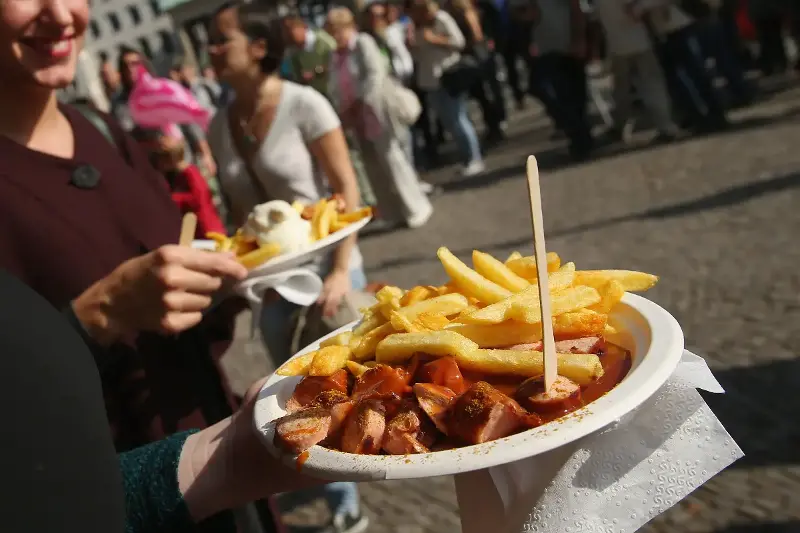
Berlin’s legendary currywurst: More than just sausage
To truly understand Berlin’s cultural comeback, bite into a spicy, tangy Currywurst. Born in post-war Berlin, this iconic street snack—sliced steamed-then-fried sausage slathered in curry ketchup—was supposedly invented by Herta Heuwer in 1949. She traded spirits with British soldiers for ketchup and curry powder, blending them into a uniquely German adaptation. Today, you’ll find Currywurst at almost every corner, from neon-lit food stands to hipster food trucks, serving:
- Crispy fries on the side
- Generous lashings of bright red sauce
- Optional sprinkle of extra curry powder
In Berlin, more than 800 million Currywursts are devoured yearly—a testament to its enduring status as a comfort classic and social equalizer.

Portugal’s pastéis de nata: A taste of Lisbon’s monastic secrets
Step into Portugal’s pastelaria-filled streets and glimpse history wrapped in flaky pastry. The Pastel de Nata, a little custard tart with a burnished top, dates back to the 18th-century monks of Lisbon’s Jerónimos Monastery. Facing financial hardship, monks sold these sugary treats to locals, and the recipe has remained largely unchanged.
- Creamy egg custard
- Crispy, caramelized puff pastry
- Sprinkled with cinnamon and powdered sugar (optional)
What makes Pastéis de Nata remarkable isn’t just taste—it’s the legacy of community, ingenuity, and sweet rebellion against hard times.
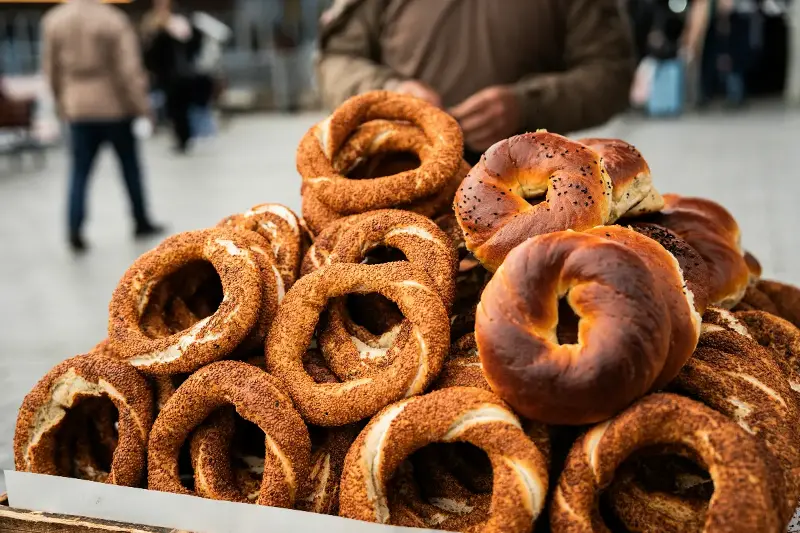
Istanbul’s simit: The quintessential wheel of the city
Wake up by the Bosphorus and you’ll hear the call of “Simit!” Vendors balance trays of sesame-crusted bread rings—a staple since the Ottoman Empire. Priced for pennies and loved by all, simit is more than breakfast; it’s a symbol of Istanbul’s cosmopolitan soul.
- Crunchy exterior, chewy core
- Often enjoyed with cheese, olives, or jam
- Paired perfectly with Turkish tea
With every bite, you’re joining centuries of early risers, street workers, artists, and commuters who start their day with this simple, satisfying snack.

Naples’ pizza margherita: Edible emblem of Italian identity
No food journey is complete without paying homage to Naples’ Pizza Margherita. Created in 1889 to honor Queen Margherita of Savoy, its patriotic colors—red tomatoes, white mozzarella, and green basil—reflect the Italian flag.
What sets Neapolitan pizza apart?
- Wood-fired, slightly charred crust
- San Marzano tomatoes grown on volcanic soil
- Buffalo mozzarella for ultimate creaminess
Still prepared under strict traditional rules, a true Pizza Margherita is a culinary love letter to Italy’s past—and its present passion.
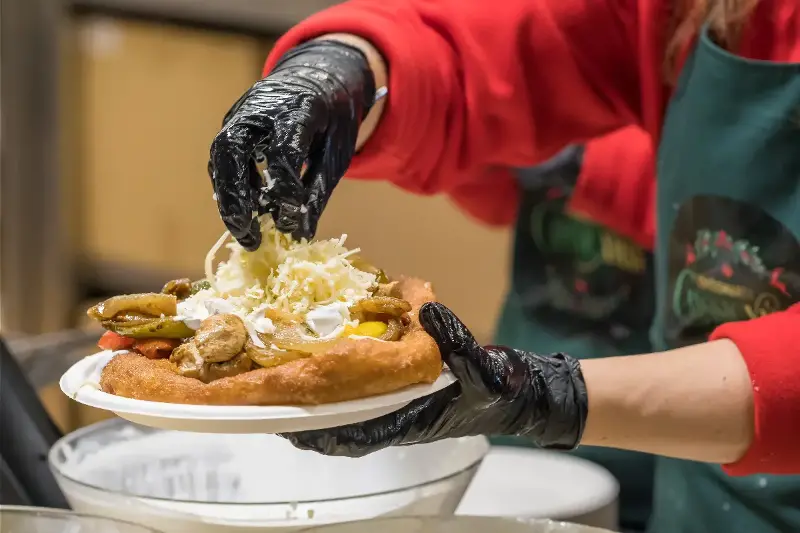
Budapest’s lángos: Golden discs born from history
Take a bite of Hungary’s beloved lángos, a deep-fried flatbread topped with garlicky sour cream and a cloud of grated cheese. Once a humble bread alternative for working families, it has evolved into a festival and streetside favorite.
Look for these popular toppings:
- Sour cream and cheese (classic)
- Savory sausages
- Even sweet jams or powdered sugar on adventurous versions
Crispy yet fluffy, fragrant and filling, lángos is a delicious nod to the resilience and inventiveness of Hungarian cooks through changing times.
Where will your appetite take you next?
Europe’s street food is more than fuel—it’s a narrative of people, places, and resilience, uniting locals and visitors one bite at a time. The next time you find yourself wandering new streets, let your appetite be your map and curiosity your compass. What stories might you taste—what flavors will you bring home? In every city, a new delight awaits those willing to savor tradition, innovation, and the timeless pleasure of food shared in the open air.