



The two most common ways to prepare peanuts are boiling and roasting. Each method can alter the nutritional composition, flavor, and calorie content of the peanuts.
Peanuts are a calorie-rich and nutritious food. 100 grams of peanuts contain approximately 25 grams of protein and nearly 50 grams of fat. Most of the fat in peanuts is unsaturated fat, a type of fat considered beneficial for cardiovascular health, according to the health website Verywell Health (USA).
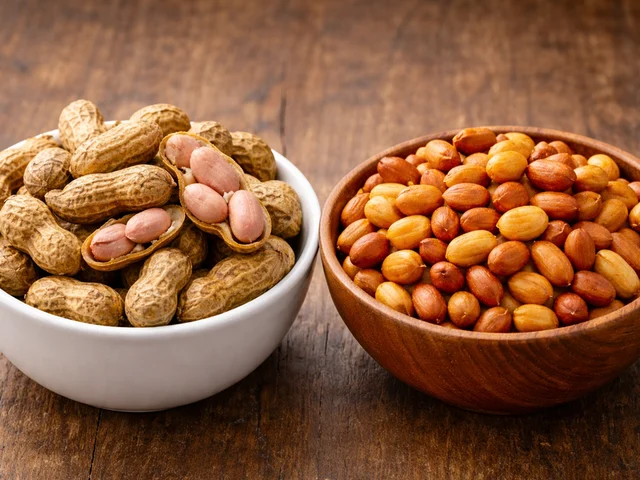
Boiled peanuts are easier to digest than roasted peanuts. PHOTO: AI
Additionally, peanuts provide vitamins E and B, folate, and many important minerals such as magnesium, phosphorus, and manganese. Peanuts also contain many antioxidants. However, the amount of these compounds may change when the peanuts are cooked.
Boiled peanuts are rich in antioxidants.
There are two common ways to prepare peanuts: boiling and roasting. With the boiling method, some studies suggest that boiled peanuts may contain more antioxidants than roasted peanuts.
Specifically, a study published in the Journal of Agricultural and Food Chemistry compared raw, boiled, and roasted peanuts. The results showed that boiled peanuts had higher levels of the antioxidants polyphenols, flavonoids, and resveratrol.
The reason is that boiling peanuts release more of the beneficial compounds. Therefore, boiled peanuts contain more antioxidants than roasted peanuts.
Roasted peanuts have a delicious flavor and are easy to store.
However, roasted peanuts have the advantage of being more flavorful and easier to store. The roasting process dries the nuts and creates a distinctive aroma. High temperatures help form many flavor compounds, resulting in peanuts with a richer and more fragrant taste. This is also why roasted peanuts are often used as a popular snack.
However, high temperatures can also reduce the levels of some heat-sensitive vitamins, particularly B vitamins. This loss is only a small fraction.
One clear difference between boiled and roasted peanuts is their calorie content. Boiled peanuts contain more water, resulting in a lower calorie density. Specifically, 100 grams of boiled peanuts contain approximately 320 calories, while roasted peanuts can contain up to 580-600 calories.
Each cooking method has its own advantages for different groups of people. Those who are trying to lose weight or want to reduce their calorie intake may prefer boiled peanuts. People with sensitive digestive systems will also find boiled peanuts easier to eat. The boiling process softens the peanuts, making them easier to chew, which is very suitable for the elderly or those who have difficulty chewing hard foods.
Roasted peanuts are suitable for people who need a high-energy source, such as those who exercise a lot or need a quick energy boost between meals. They are also a convenient option for storing and carrying as a snack. Their low moisture content allows roasted peanuts to be stored longer than boiled peanuts, according to Verywell Health.