



Small household habits can feel subtle, yet our homes collectively draw vast amounts of energy, water, packaging, and food. Making a few practical adjustments can dramatically lower waste, reduce monthly utility bills, and create a healthier living space—all without requiring a complete lifestyle overhaul.
The most effective strategy? Focus on simple routines that happen every single day.
Smart Ways to Cut Household Energy
Heating, cooling, and water heating account for the largest share of household energy use. Targeting these key areas yields instant results:
- Adjust thermal settings: Lowering your thermostat by just 1°C in winter significantly reduces heating demand—especially when paired with warm clothing, cozy rugs, and simple draft blockers.
- Manage sunlight: In warmer months, close curtains or blinds during peak sun hours to naturally cool indoor spaces and minimize reliance on air conditioning.
- Upgrade your lighting: Switch to LED light bulbs, which consume roughly 75 percent less energy than traditional incandescent options and last far longer. Priority areas include high-traffic rooms like the kitchen, hallway, and living room.
- Eliminate vampire draw: Televisions, gaming consoles, routers, and kitchen appliances continue pulling power even when idle. Plug these into a smart power strip to easily disconnect multiple devices at once, and unplug warm chargers when not actively powering a device.

Simple Strategies for Responsible Water Use
Conserving water preserves precious local supplies while lowering the energy needed for municipal treatment:
- Optimize shower routines: A quick five-minute shower uses a fraction of the water required for a full bath. Pairing this with a modern low-flow showerhead cuts water usage down to 7 to 9 liters per minute (compared to upwards of 15 liters in older models).
- Fix quiet leaks fast: A single tap dripping once per second can waste thousands of liters every year. Keep an eye on toilet cisterns as well; replacing a worn flapper valve stops continuous, invisible running water.
- Rethink kitchen prep: Wash fruits and vegetables in a dedicated bowl rather than under a continuous tap. Storing a glass jug of water in the refrigerator eliminates the need to run the tap waiting for it to cool down.

Maximizing Laundry and Cleaning Efficiency
Your laundry routine holds incredible potential for energy savings and fabric care:
- Wash colder: Running loads at 30°C saves substantial electricity while remaining gentle on clothing fibers.
- Run full loads: Wait for full capacity before starting your washing machine or dishwasher, but take care not to overload. A properly loaded dishwasher is actually far more water-efficient than hand-washing.
- Harness natural air drying: Skip the power-hungry dryer by using an outdoor line or indoor drying rack. If you do use a dryer, clean the lint filter after every cycle to ensure optimal airflow and shorter drying cycles.
- Choose eco-friendly supplies: Opt for concentrated cleaning formulas and refillable sprays to reduce single-use plastic packaging and transportation emissions.

Preventing Food Waste at Home
Reducing food waste directly prevents organic material from ending up in landfills, transforming potential waste into useful resources:
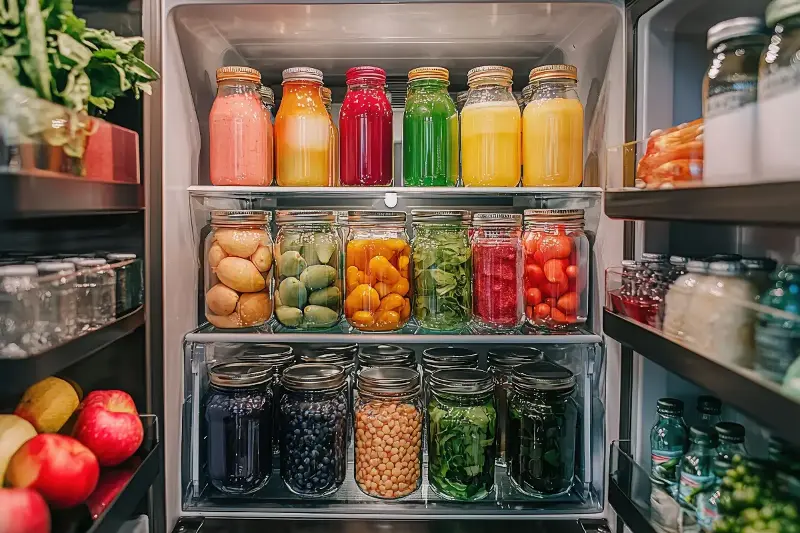
- Plan and store strategically: Map out meals before shopping to avoid impulse buys. Keep leafy greens cool and protected from excess moisture, freeze sliced bread to defrost on demand, and blend overripe produce into nutritious smoothies, soups, or baked goods.
- Understand label dates: Remember that a "Best Before" date indicates peak quality, whereas a "Use By" date relates to safety. Always inspect properly stored food before discarding it unnecessarily.
- Start composting: Convert fruit peels, coffee grounds, and vegetable scraps into rich soil nutrients. A compact countertop caddy makes gathering daily organic scraps simple and odor-free.
Choosing Reusability and Mindful Living
Long-term sustainability relies on choosing lasting solutions over momentary convenience:
- Embrace daily reusables: Keep a durable water bottle, insulated coffee mug, canvas shopping bag, and reusable glass container ready for daily routines.
- Repair, borrow, and share: Before making a new purchase, explore second-hand options, renting, or simple repairs. Patching clothing, fixing a cord, or sharpening kitchen tools adds years of useful life to existing items.
- Minimize packaging: Select items sold in bulk or minimal recyclable packaging. Ultimately, the most sustainable package is the one that isn't needed at all.
Transformation doesn't happen overnight. Pick one habit that fits smoothly into your current routine, build consistency, and expand from there. Small actions, repeated daily by millions of households, spark a genuinely powerful positive impact on our planet.