



A heavy steering wheel can turn an easy drive into a tiring task. It may feel like you need both hands and extra strength just to park, make a tight corner, or guide the vehicle at low speed. While some older cars naturally have firmer steering, a sudden change usually points to a simple maintenance need that deserves attention.
The good news is that many causes are easy to identify and affordable to correct when dealt with early. From tyre pressure to power steering fluid, a few basic checks can restore smooth, confident steering and keep your vehicle running smoothly.
Start With the Tyres
Low tyre pressure is one of the most overlooked reasons for heavy steering. When front tyres are underinflated, more rubber touches the road surface, creating greater resistance during turns.
- Check Pressure When Cold: Measure tyre pressures before driving or after the vehicle has been parked for several hours for an accurate reading.
- Follow Manufacturer Recommendations: Use the pressure listed on the driver’s door sticker or in the owner’s manual rather than relying on the maximum limit printed on the tyre sidewall.
- Inspect for Uneven Wear: Worn outer edges often point to low pressure, while irregular patches suggest wheel alignment needs. A quick visit to a tyre shop can ensure proper balancing, alignment, or rotation.

Check the Power Steering Fluid
Many vehicles use hydraulic power steering, which relies on pressurised fluid to make turning effortless. If fluid levels drop, steering can become noticeably stiff.
- Locate the Reservoir: Check the power steering container under the bonnet against the MIN and MAX markings, or check the cap dipstick.
Use the Correct Fluid: Always select the fluid type specified by the vehicle manufacturer to protect internal seals.
- Watch for Leaks: Look for damp spots beneath the front of the vehicle or around hoses. Fluid is typically red, amber, or light brown. Catching small leaks early protects the power steering pump from unnecessary wear.
Listen for Pump and Belt Performance
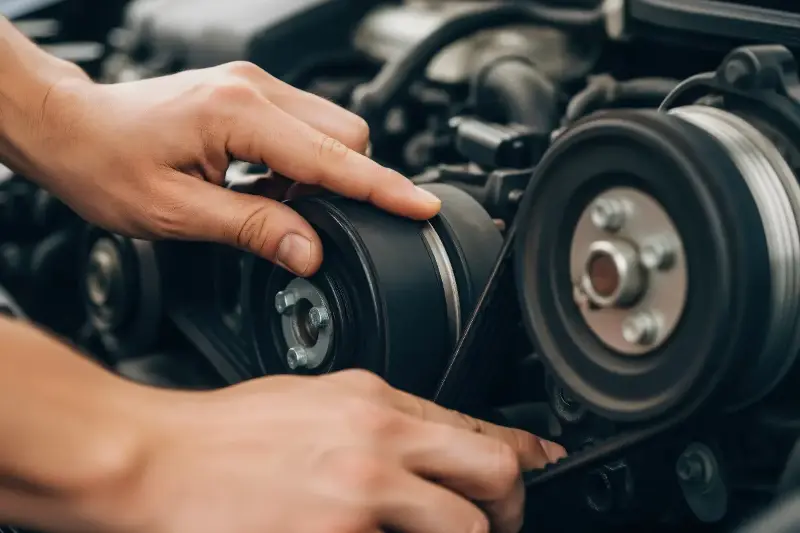
In hydraulic systems, the power steering pump creates the pressure that assists steering, driven directly by a serpentine or drive belt.
- Identify Pump Whine: A worn pump often creates a gentle, noticeable whine that rises with engine speed when turning the wheel.
- Inspect the Drive Belt: If the belt is loose, glazed, or worn, it may slip and reduce steering assistance. A quiet squeal during tight turns is often a sign the belt needs a simple adjustment or replacement.
Note: Always inspect belts when the engine is turned off for complete safety.
Understand Electric Power Steering
Many modern cars use electric power steering (EPS) powered by an electric motor and sensors. These systems are clean, efficient, and require minimal routine care.
- Check Electrical Basics: A weak battery, blown fuse, or loose sensor wiring can temporarily reduce electric assistance.
- Watch Dashboard Indicators: A steering wheel-shaped warning icon highlights when the system detects a glitch.
- Take Proactive Action: If assistance drops, safely pull over and consult a certified technician to inspect the electrical connections.
Inspect Suspension and Steering Connections
Mechanical parts in the steering and suspension systems help front wheels move freely and return smoothly to centre after a turn.
- Smooth Mechanical Movement: Components such as ball joints, tie rod ends, and strut top mounts ensure effortless pivoting.
- Maintain Precision Alignment: Bumping a kerb or hitting a deep pothole can nudge wheel alignment out of spec. Realigning the wheels ensures smooth, effortless steering effort and extends tyre life.

Know When Heavy Steering Deserves Attention
Prompt care keeps your vehicle performing at its best. Seek professional assistance if steering effort changes suddenly, if you notice fluid drops, or if dashboard indicators appear.
To care for your system day-to-day, avoid holding the steering wheel forcefully against full lock for long periods when parking. Turning only as far as necessary keeps the system operating at peak efficiency.
A light, responsive steering wheel makes everyday driving a pleasure. Regular tyre checks, quick fluid inspections, and timely maintenance are simple habits that keep your vehicle feeling agile, safe, and enjoyable on every journey.