


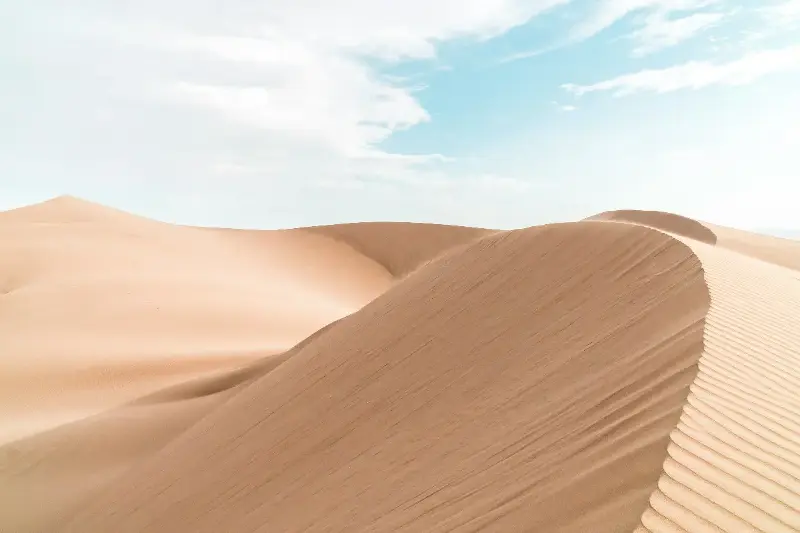
Sand is seemingly everywhere. It is under our feet at the beach, blowing in the wind across deserts, and slipping through our hands at every construction site. Yet, few of us stop to consider what is truly inside these tiny grains or how vital they are to our planet. Sand may seem like a simple, ordinary substance, but it tells a fascinating story of geology, biology, and the ways humans shape the modern world.
THE SCIENCE BEHIND SAND’S ORIGINS
If you zoomed in on a single grain, you would be amazed at its complexity. Sand is rarely just "dirt"; it is a diverse mixture of minerals, shell fragments, and sometimes even tiny volcanic glass.
- Quartz: The most common component, made of silicon and oxygen, giving most sands their pale, sparkling appearance.
- Volcanic Basalt: Creates the dramatic black sands found on islands like Hawaii.
- Biological Sources: Tropical beaches often consist of ground-up coral and shells, producing fine, soft, white sand.
The journey of a single grain is a long, dramatic saga. Most sand starts as solid rock, weathered over millions of years by wind, freezing, thawing, and the relentless crash of waves. Once released from the parent rock, these grains travel through rivers, deltas, and oceans before finally coming to rest.
A FOUNDATION FOR LIFE
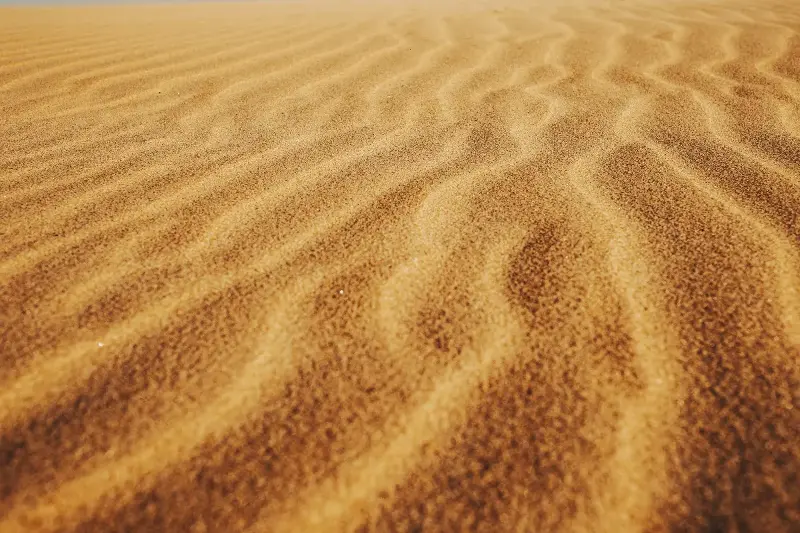
Sand is essential for much of the Earth’s biodiversity. It provides a unique habitat for countless species:
- Burrowing Creatures: Many tiny organisms live in the spaces between grains, while crabs and clams dig deep to avoid predators or extreme heat.
- Marine Life: Fish, such as the sand lance, burrow into the sediment to evade danger.
- Ecosystem Protection: Coastal dunes and mangroves act as a natural buffer against storms, supporting diverse communities of birds, insects, and mammals.
Coral reefs, often called the "rainforests of the sea," also rely on sandy sediments for the healthy growth and dispersal of coral larvae.
THE UNSUNG HERO OF HUMAN CIVILIZATION
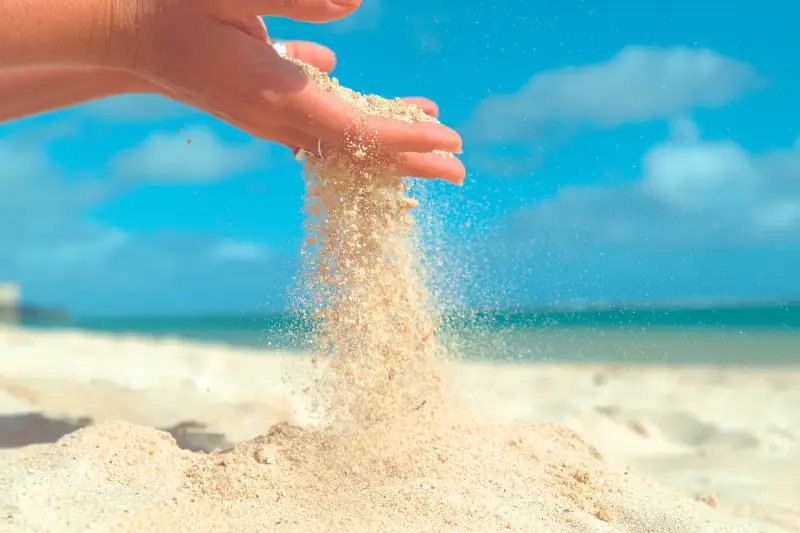
Sand’s role in shaping our modern lifestyle is often hidden in plain sight. It is the primary ingredient in concrete—the backbone of our global infrastructure. Every skyscraper, bridge, and sidewalk owes its strength to these tiny particles. Furthermore, our digital age depends on high-quality silica sands to create glass windows, smartphone screens, and computer chips.
Many are surprised to learn that sand is the most-consumed natural resource on Earth after fresh water. With a massive global construction boom, the demand for this resource has created a complex "sand economy," making it a cornerstone of modern development.

ENVIRONMENTAL CHALLENGES AND SUSTAINABILITY
As with any finite resource, over-extraction poses significant environmental risks. Mining sand from rivers and beaches can destroy habitats, erode coastlines, and harm freshwater ecosystems. Mangroves often vanish and wetlands diminish, creating ripple effects that threaten both wildlife and local human communities.
To address these concerns, engineers and scientists are exploring innovative solutions:
- Sustainable Alternatives: Using crushed rock or recycled construction waste in building projects.
- Better Regulations: Implementing stricter harvesting methods to protect the most vulnerable ecosystems.
SAND’S ROLE IN ART, PLAY, AND WONDER
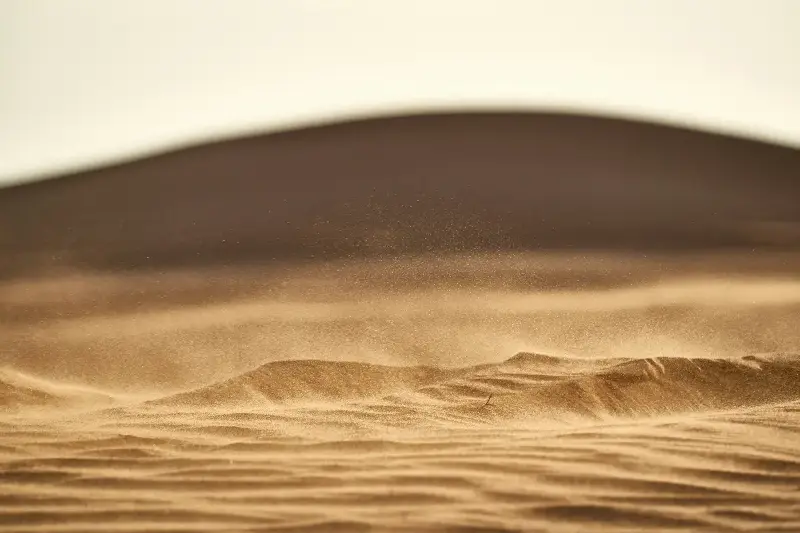
Beyond its practical use, sand has inspired human creativity for centuries. From intricate sand mandalas that are intentionally swept away to massive, temporary beach sculptures, these grains offer a canvas for artistic expression.
Furthermore, sand is a fantastic record-keeper. Every layer provides scientists with a history of past climates, ancient life, and major geological events. Whether you are building a castle on the shore or studying ocean cores, each handful of sand contains an entire world waiting to be discovered.