


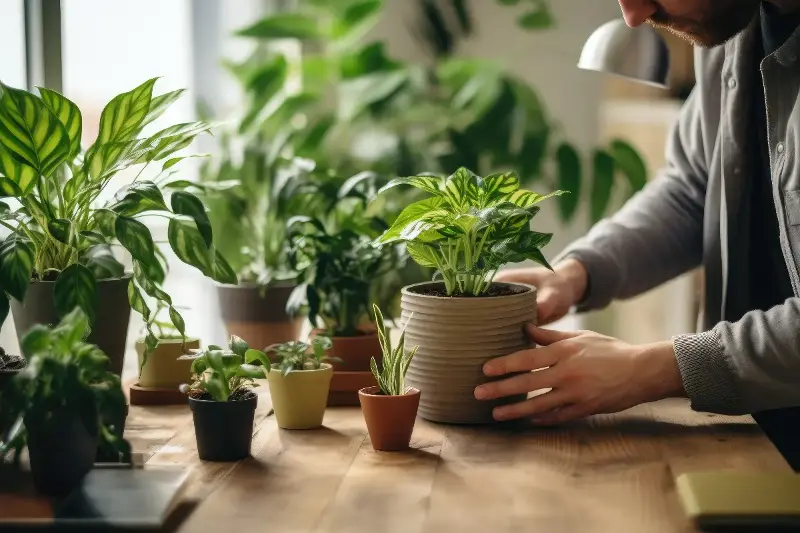
Indoor plants can make a home feel calmer, softer, and more vibrant. They add rich color, natural texture, and a welcome connection to nature, especially in urban spaces. While houseplants absorb some volatile organic compounds in controlled settings, they work best when paired with regular ventilation and air filtration. Their greatest everyday benefits remain visual comfort, humidity support, and the peaceful routines they encourage.
In feng shui, plants represent the wood element—associated with growth, health, renewal, and vitality. The right plant in the right place supports a balanced flow of chi, or life energy. Combining practical care with intentional positioning creates rooms that look fresher and feel truly welcoming.
Starting With Healthy and Well-Placed Greenery
A thriving plant creates a far better impression than one with yellowing leaves or dry soil. Before considering feng shui placement, select species that suit your home's natural light and temperature:
- Bright, sunny rooms: Aloe vera, jade plants, rubber plants, or areca palms.
- Medium-light spaces: Pothos, philodendrons, snake plants, dracaenas, and peace lilies.
- Low-light corners: Cast iron plants, Chinese evergreens, or ZZ plants.
Place larger leafy floor plants beside sofas, in empty corners, or near reading chairs to soften hard architectural lines. Keep leaves dust-free so your plants can absorb maximum light while keeping your living space looking immaculate.
Creating Cleaner Air Habits Around Your Plants
Greenery should be part of a broader wellness strategy. Opening windows when outdoor air quality is good, vacuuming regularly, and using proper air filters make the most meaningful difference to your indoor climate.
Plants contribute in subtle, pleasant ways through transpiration:
- Natural humidity: Leaves release moisture, which eases dry indoor air during cold seasons.
- Visual freshness: Large foliage like bamboo palms and philodendrons creates a lush, peaceful atmosphere.
- Resilient beauty: Snake plants and trailing pothos offer vibrant greenery in bedrooms and offices with minimal effort.
Note for pet owners: Peace lilies tolerate moderate light and feature elegant white blooms, but they are toxic if chewed by pets, so choose placement carefully.
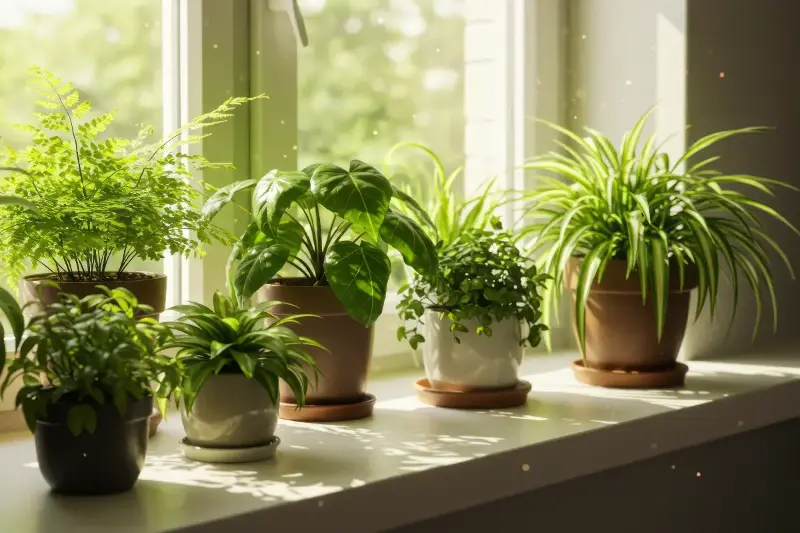
Using Feng Shui Zones With Intention
In feng shui, the entryway is crucial because it is where energy enters the home. A healthy plant near the front door creates an inviting first impression and symbolizes new opportunities. Choose compact, upright plants like dracaenas if space is limited.
Different living spaces benefit from specific energy pairings:
- Living rooms: Fuller, rounded plants encourage sociability and warmth. A money tree or parlor palm softens sharp furniture edges. Rounded leaves suggest gentle, harmonious energy, while a money tree in the southeast corner is traditionally linked with prosperity and abundance.
- Home offices: Place a plant within your line of sight—such as a small ZZ plant or jade plant on a shelf—to make work zones feel less sterile and visually separate desks from rest areas.
Balancing Bedrooms, Kitchens, and Bathrooms
Bedrooms should feel deeply restful, so avoid turning them into dense indoor jungles. One or two low-maintenance choices like spider plants or Chinese evergreens are usually enough. Keep plants away from the headboard to avoid visual clutter.
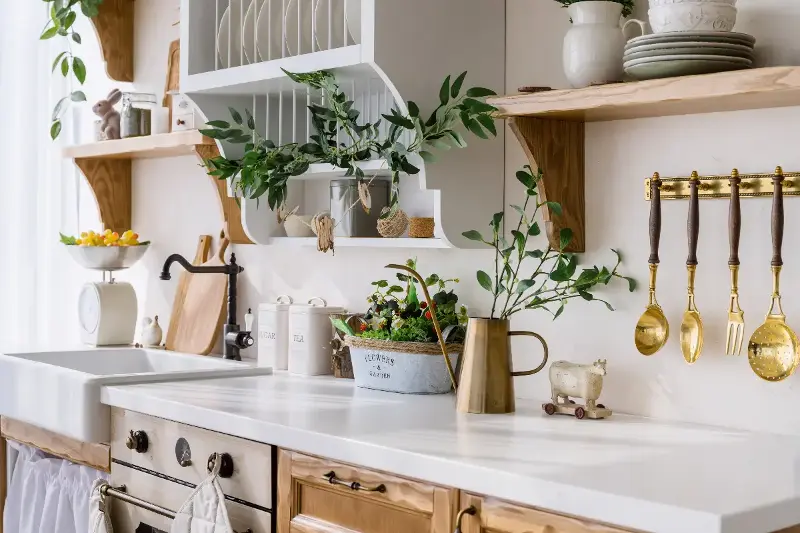
In the kitchen, plants introduce wood energy to balance heat sources. A sunny windowsill herb garden featuring basil, mint, rosemary, and parsley provides fresh ingredients while adding vibrant life. In humid bathrooms with adequate light, ferns and orchids thrive while softening cold tile surfaces.
Avoiding Common Placement Mistakes
Feng shui generally advises against placing thorny or sharply pointed plants in areas designed for rest and connection. While cacti are not inherently negative, their spines create a defensive visual mood—keep them near electronics or in bright workspaces rather than beside the bed.
Living plants bring dynamic variation and nurture a home far better than artificial decor. The most powerful arrangement is simply one that supports daily life: select species you enjoy caring for, give them adequate sunlight, and position them where they lift your mood without crowding your space.