



Stress can arrive fast: a tense email, a crowded commute, a worrying headline, or an unexpected argument can trigger the body’s alarm system within seconds. The heart beats faster, muscles tighten, and thoughts begin racing toward worst-case scenarios.
While stress is a normal human response, staying in high-alert mode drains energy, disrupts sleep, and makes everyday challenges feel heavier. The good news is that your nervous system can be guided back toward calm.
One simple practice—known as the physiological sigh—can help reduce acute stress quickly:
- Zero Cost: Requires no special equipment or clothing.
- Versatile: Can be done at a desk, in a car, or standing in the kitchen.
- Time-Efficient: Takes as little as three to five minutes to reset your system.
What Mental Immunity Means
Mental immunity is not about never feeling stressed, sad, or overwhelmed. Those emotions carry useful information and are natural parts of life. Instead, mental immunity describes your ability to recover after stress, regulate emotional reactions, and avoid letting one difficult moment take over the entire day.
Think of it as psychological resilience in action:
- The Body: Responds to pressure without remaining trapped in alarm mode.
- The Mind: Communicates honestly without spiraling into negative thoughts.
- The Routine: Relies on small, repeatable physical habits to build strength over time.
Breathing exercises are especially powerful because they work directly with the body’s physical stress response rather than asking you to simply "think positive" when your mind is overloaded.
The Five-Minute Physiological Sigh
A physiological sigh is a breathing pattern consisting of two short inhales followed by one long, slow exhale. It is a natural reflex humans use unconsciously during sleep or moments of relief.
To practice this technique:
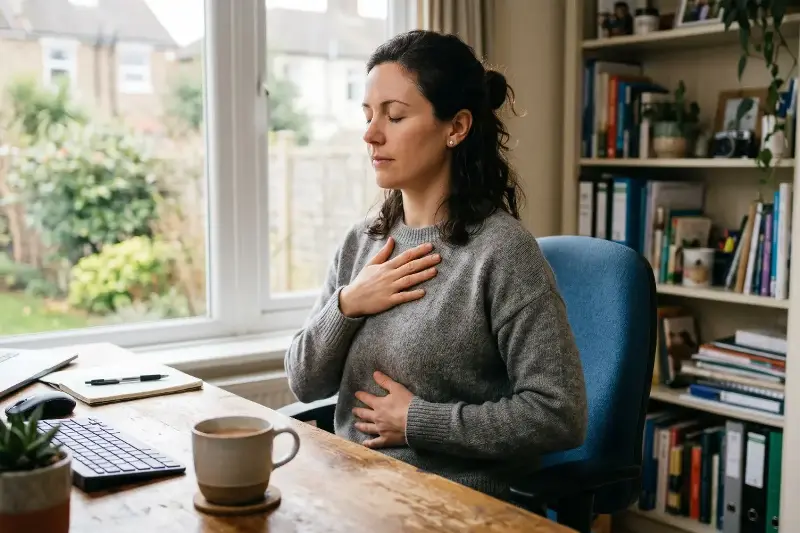
- Position: Sit or stand comfortably and relax your shoulders.
- First Inhale: Take a deep breath in through your nose.
- Second Inhale: Take a second, smaller inhale through the nose to top off the breath.
- Slow Exhale: Let out a long, gentle breath through your mouth, like a quiet sigh.
Repeat this cycle for about five minutes at a comfortable pace—roughly six to ten rounds per minute. The goal is not to take the largest possible breath, but to make the exhale noticeably longer than the inhale. Even two or three cycles can interrupt a spiral of shallow breathing.
Why This Breathing Pattern Helps
When anxious, people often breathe quickly and shallowly. This can lead to dizziness, chest tightness, and a heightened sense of worry, creating a stressful feedback loop.
The physiological sigh breaks this cycle through key physiological mechanisms:
- Reopening Air Sacs: The double inhale expands tiny air sacs in the lungs called alveoli.
- Releasing Carbon Dioxide: The extended exhale efficiently clears built-up carbon dioxide.
- Activating Rest Mode: Slow exhalations engage the parasympathetic nervous system, signalling the heart rate to slow down.
A study published in Cell Reports Medicine found that daily cyclic sighing significantly improved mood and lowered respiratory rates. You are not forcing your mind to be calm; you are giving your body a physical signal that it is safe to step out of emergency mode.
How to Make the Exercise More Effective
To get the most out of the practice, keep these helpful tips in mind:
- Start Small: Practice during mild tension to master the technique before facing severe stress.
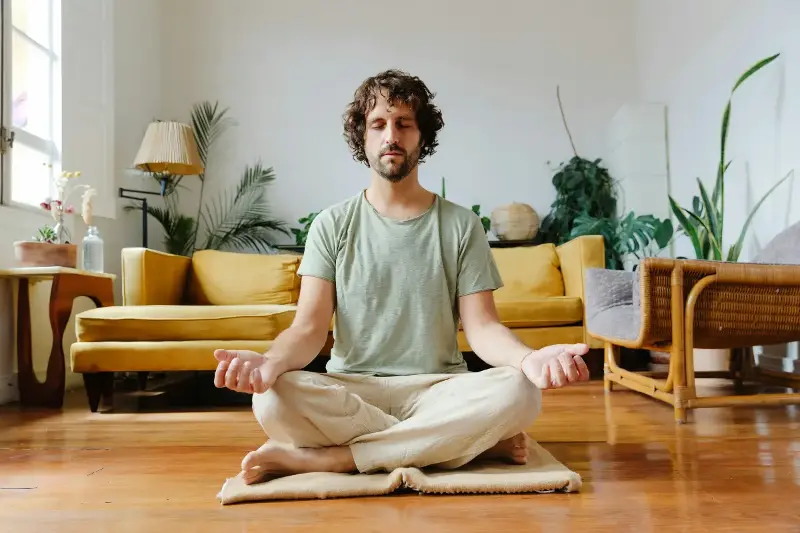
- Relax Your Posture: Keep both feet on the floor, soften your jaw, and let your abdomen expand.
- Use Anchoring Phrases: Pair the long exhale with a calm phrase like "release" or "one step at a time."
- Avoid Straining: Keep breaths smooth and unforced. If you feel light-headed, return to normal breathing.
A Small Habit With a Big Role
Five minutes will not erase a demanding workload, solve financial worries, or fix a difficult relationship. What it can do is create a vital pause between a stressor and your reaction. That pause helps you answer more thoughtfully and make clearer decisions.
Consider building physiological sighing into daily transition points:
- After parking the car at work
- Before checking emails or social media
- During an afternoon work break
- Right before falling asleep
Mental strength is often pictured as pushing through discomfort without stopping. In reality, true resilience includes knowing when to pause, breathe, and reset. In just five minutes, you can remind your body that stress is merely a passing state—not a permanent place to live.