


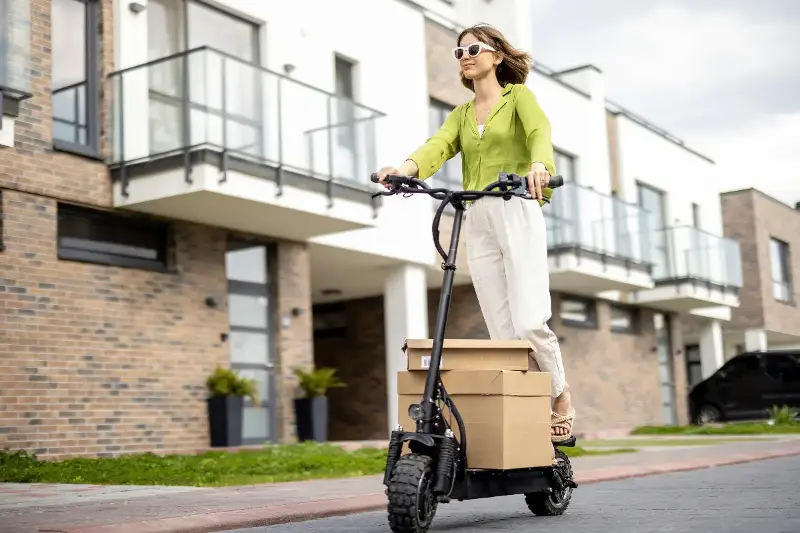
Electric scooters have transformed from a novel urban experiment into a familiar part of daily life across cities worldwide. On busy streets, they offer a smart solution to a common challenge: traveling short distances quickly without sitting in traffic, searching for parking, or waiting for a bus. Rather than replacing long journeys, scooters fill the critical "last mile" gap between home, work, stations, and social destinations.
In dense urban environments where journeys under five kilometers are common, a trip that takes 25 minutes on foot can often be completed in just 10 minutes on a scooter. This remarkable convenience makes micromobility an essential component of modern urban transport.
Why Cities Are Embracing Scooters
Electric scooters are compact, quiet, and highly efficient. Unlike private cars, they require minimal road and curb space. A single parking space for a car can easily accommodate a row of dozens of scooters or bicycles.
Key factors driving urban adoption include:
- Low Barrier to Entry: Shared scooter apps allow users to unlock a vehicle instantly, encouraging people to try a new mode of transit.
- Reduced Local Emissions: Scooters produce zero exhaust emissions during use, supporting cleaner air in city centers.
- Public Transport Integration: Commuters can ride a scooter to a train station, travel across town, and take another scooter to their final destination.
The Technology Behind the Trend
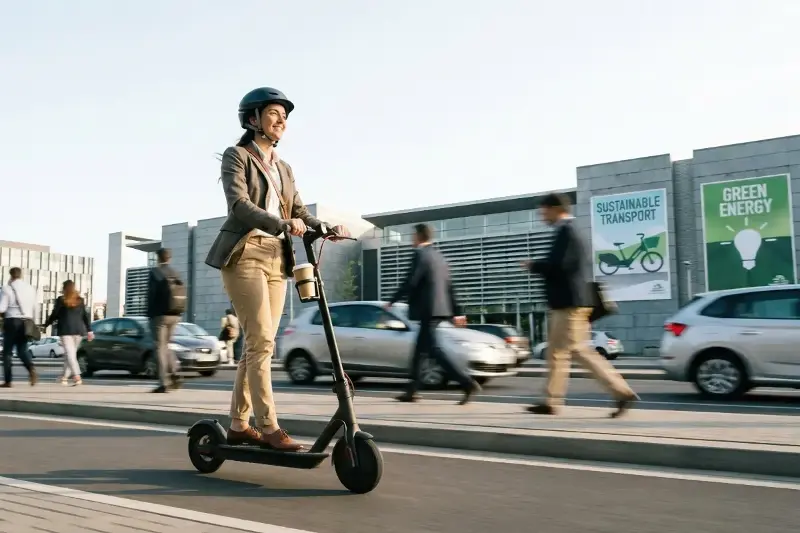
Modern electric scooters rely on sophisticated engineering to ensure smooth and reliable journeys. Most vehicles utilize rechargeable lithium-ion batteries, delivering a range of roughly 15 to 40 kilometers per charge, depending on rider weight, terrain, and weather conditions.
Notable technological features include:
- Swappable Batteries: Fleet operators can quickly swap depleted batteries on-site, keeping vehicles available without taking them off the street.
- Geofencing Control: Location-based technology automatically slows scooters in pedestrian-heavy areas or prevents operation in restricted zones.
- Enhanced Vehicle Durability: Modern designs feature larger tires, stronger frames, dual braking systems, and front suspension to smoothly handle uneven pavement.
Safety Starts with Smart Riding
While electric scooters are easy to operate, responsible riding is vital for personal safety and community harmony. Scooters belong on designated cycle lanes and suitable roads, never on crowded sidewalks meant for pedestrians.
Essential safety practices include:
- Wear a Helmet: A properly fitted helmet significantly reduces the risk of head injury during unexpected falls.
- Single Rider Only: Carrying passengers alters balance, steering control, and braking efficiency.
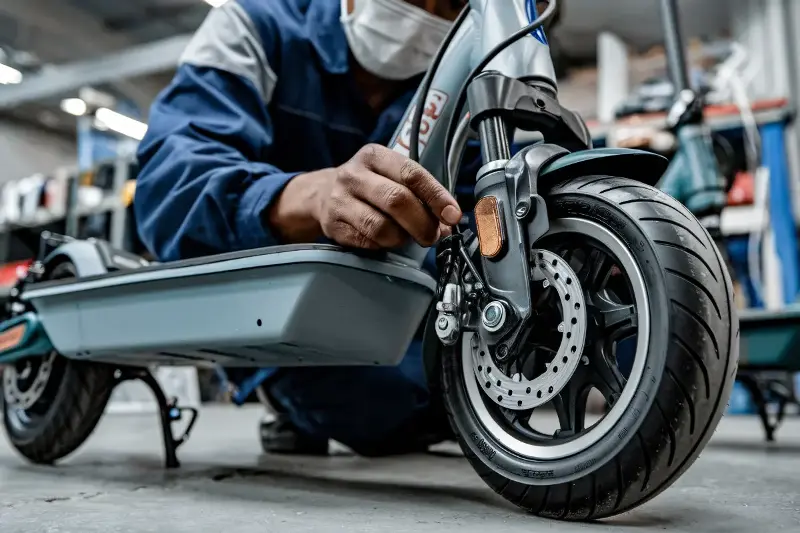
- Pre-Ride Checks: Always test the brakes, throttle, lights, and handlebar stability before beginning a trip.
- Focused Attention: Safe riding requires quick reflexes, full concentration, and steady coordination at all times.

Responsible Parking Solutions
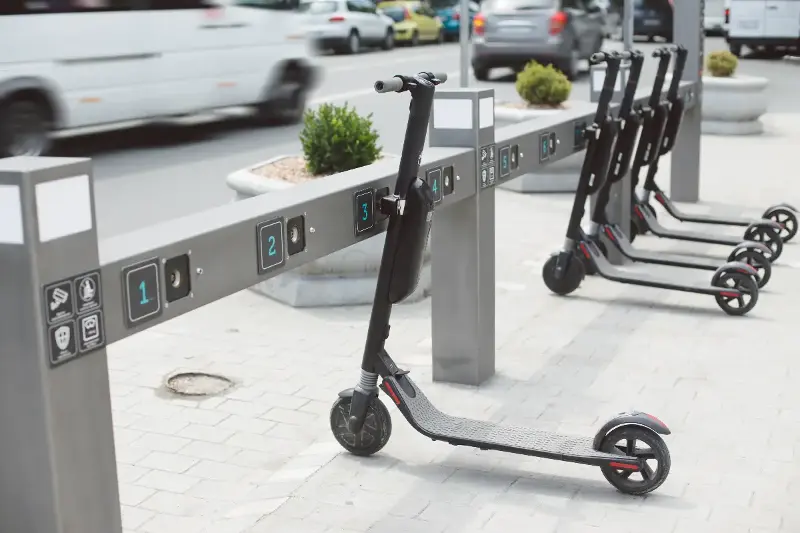
To prevent scooters from blocking sidewalks, crosswalks, or building entrances, cities and operators are introducing structured parking solutions:
- Designated Parking Bays: Marked areas near transit hubs and shopping districts keep sidewalks clear.
- Photo Verification: App-based requirements prompt riders to photograph their parked scooter to confirm responsible placement.
- Mandatory End Zones: Geofencing prevents users from ending their rental outside approved parking locations.
A good rule of thumb is simple: park upright near the curb, keeping doorways, tactile paving, and bus stops completely clear.
Looking Toward the Future
Electric scooters continue to reshape how people navigate short urban trips. The most successful cities will be those that combine clear regulations, protected cycling lanes, integrated public transport, and organized parking. When used responsibly, electric scooters offer an enjoyable, efficient, and flexible way to explore the modern city.