


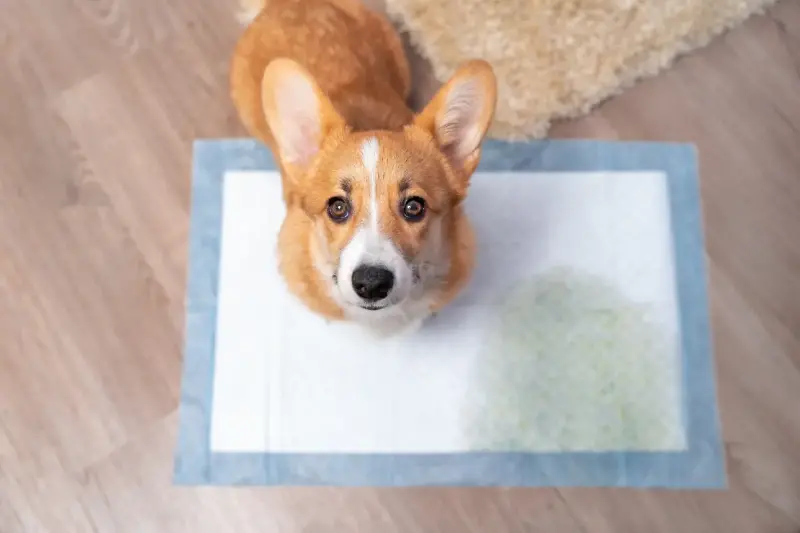
bringing home a new puppy is an exciting adventure, but what often follows is the daunting challenge of toilet training. while some pet owners envision disasters of torn paper towels and accidents everywhere, the reality is that with a few deliberate steps and understanding of puppy behavior, you can toilet train your puppy quickly and fairly easily. here’s the inside scoop on how to help your furry companion develop great bathroom habits, along with a few fun facts that might surprise you.
timing is everything: understanding your puppy’s bladder
puppies come with the built-in timer of a very small bladder. most can hold it only for about one hour for every month of age. so, a three-month-old puppy will probably need a potty break at least every three hours during the day. recognizing this rhythm is your first step towards success. what’s more, puppies commonly need to relieve themselves after waking, playing, and eating. timing your potty outings around these pivotal moments sets you both up for fewer accidents and more wins.
routine and consistency: your best training tools
dogs are creatures of habit. puppies, even more so. creating a schedule for meals, playtime, and bathroom breaks is key because it helps your pup understand what’s expected. feeding your puppy at the same times each day helps regulate their digestive system—making bathroom needs predictable. once a routine is in place, your puppy will start to anticipate when the next outing is, reducing surprise messes inside.
choosing the right spot: location helps learning
toilet training is about more than just timing; location plays a major role. always take your puppy to the same spot outside when it’s time to go. why? dogs rely heavily on scent cues, and familiar smells in a regular spot trigger the urge to go. by associating one area with doing their business, you not only make clean-up easier but you also help your puppy understand the difference between indoor and outdoor spaces.
watch for clues: catching signals before accidents happen
puppies communicate their needs through body language, and learning to read these signals can make a big difference. sniffing the ground, circling, whining, sudden stops in activity, or heading towards the door are all signs your puppy might need to go. when you see these cues, quickly and calmly take your puppy outside to their spot. each time your puppy goes in the right place, they’re one step closer to being fully trained.
positive reinforcement: celebrate and reward success
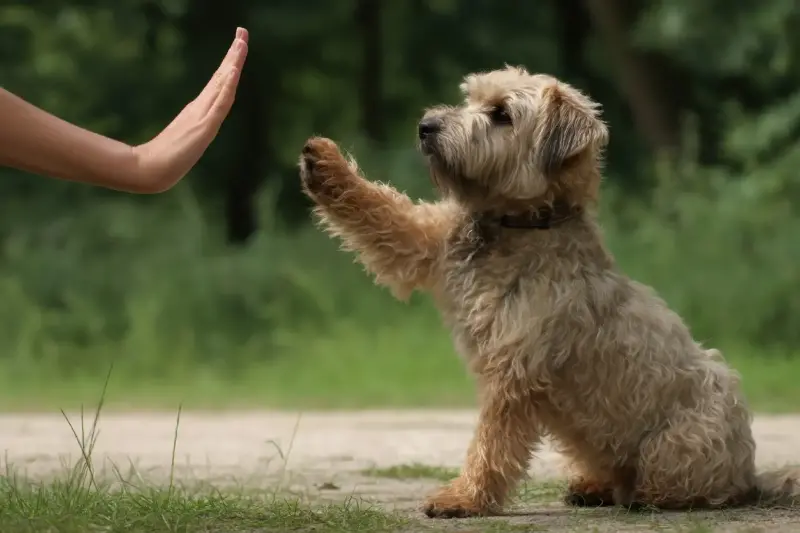
puppies don’t respond well to punishment, but they thrive on praise and rewards. when your puppy goes in the right spot, immediately reward them with gentle praise, a treat, or even a game with their favorite toy. this creates a positive association with the desired behavior and helps them understand what you expect. did you know? studies have shown that dogs trained with positive reinforcement are not only quicker learners, but also develop stronger bonds with their owners.
accidents happen: what to do if things go wrong
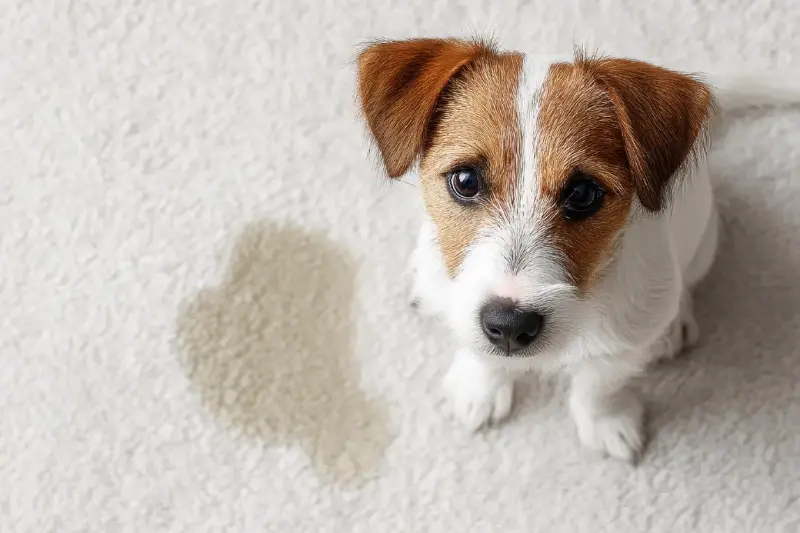
even the best plans occasionally go awry. puppies, like children, are learning, and mistakes are part of the process. if your puppy has an accident indoors, stay calm. scolding or rubbing their nose in it doesn’t help—in fact, it can confuse or frighten your pup, setting back progress. instead, clean up thoroughly with an enzymatic cleaner to remove odors. dogs’ noses are far more sensitive than ours, and lingering smells can tempt repeat offenses.
nighttime strategies: set yourself up for success
nighttime can be a tricky period because puppies can’t always make it through the night without a potty break. until your puppy is about four to five months old, you might need to get up once during the night. keeping your puppy in a crate or a playpen near your bed encourages them to hold it as long as possible; most dogs instinctively avoid soiling where they sleep.
crate training magic: why it works
crate training is a highly effective toilet training tool. crates cater to a dog’s natural desire for a safe, den-like space and discourage them from relieving themselves inside. the key is to use a crate that’s just the right size: big enough to stand and turn comfortably, but not enough to use one end as a bathroom. when used properly, most puppies quickly learn to wait for trips outside.
patience and perspective: every puppy is unique
your neighbor’s dog might have mastered toilet training in a week, while yours could take several weeks or even a couple of months. breed, age, and previous experiences all influence how quickly a puppy learns. patience mixed with gentle, consistent practice pays off. if you’re persistent, most puppies are reliably toilet trained by six months of age.
fascinating fact: scent marking and learning boundaries
here’s an interesting nugget—when your puppy returns to the same spot to go, part of what’s happening involves pheromones and scent marking. it’s not just about convenience; puppies rely on their sense of smell to reinforce boundaries and routines. so, the more you stick to the same spot, the more quickly they’ll get the message.
when to seek extra help
if your puppy just isn’t catching on or seems to have frequent accidents despite all efforts, it could be worth checking in with your vet. sometimes medical issues—like urinary tract infections or digestive concerns—can slow progress. ruling these out ensures your approach is based on behavior, not biology.
enjoying success together
the journey may include a few bumps, but toilet training is one of the first ways you and your puppy build trust, communication, and lifelong habits. approach training with patience, a sense of humor, and an open mind. before you know it, the days of constant cleaning will give way to proud walks and a happier, more confident canine companion. happy training, and remember: every successful bathroom break is another step toward a harmonious home.