


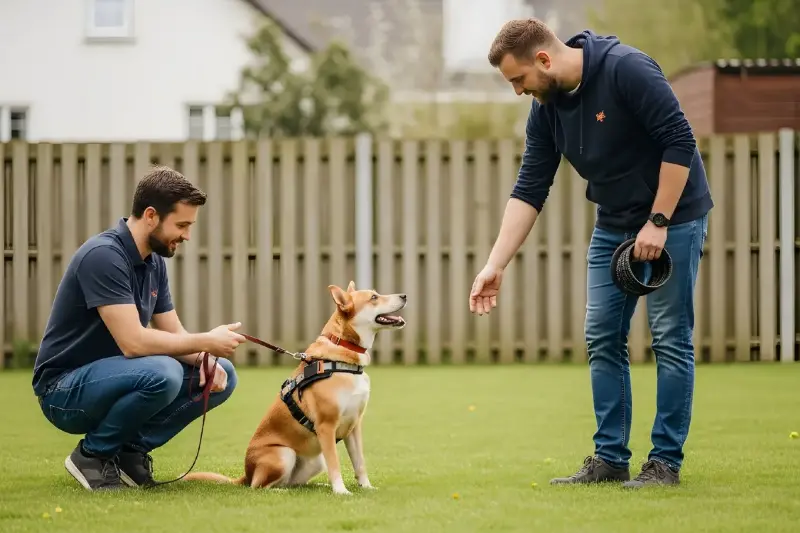
puppies are adorable, mischievous, and full of energy—they also have their own minds, sometimes leading to selective hearing, especially when you’d really like them to listen. whether you’ve just welcomed a new furry family member, or you’re hoping to improve communication with your current companion, the good news is that teaching your puppy to pay attention isn’t complicated. a handful of simple, science-backed tricks can set the stage for a lifetime of better listening, safer walks, and happier bonding.
why puppies tune out
before diving into training hacks, it helps to understand why puppies don’t always listen. think of a puppy’s world: every scent, sound, and sight is new and fascinating. this sensory overload means your instructions might get drowned out or filed under “less interesting.” in addition, puppies, like toddlers, are learning what matters and what doesn’t. consistent, clear communication helps guide their developing minds.
reward-based training: the ultimate motivator
one of the simplest and most effective tricks is using positive reinforcement—basically, rewarding your puppy when they get it right. treats, enthusiastic praise, or even playtime with a favorite toy all work wonders. research consistently shows that puppies learn faster and retain commands better when they’re rewarded quickly and generously. if your puppy sits after you say “sit,” mark the moment with a treat or a cheerful “good job!” within seconds so they make the connection.

the magic of the marker word
a “marker word” is a special word or sound (like “yes!” or a click from a clicker) that tells your puppy exactly when they’ve done the right thing. it works as a bridge between their action and their reward. if you’re using treats, say your marker word the moment your puppy does what you ask. this precision helps puppies understand which behaviors earn rewards—and which don’t. once your puppy “gets” the system, you’ll see faster responses and more eager listening.
keep sessions short and sweet
puppies have short attention spans, especially in the early months. aim for multiple brief training sessions—a few minutes each—rather than one long marathon. this keeps things fun and upbeat, and your puppy will be more likely to stay engaged. if your puppy seems tired or distracted, finish on a high note with an easy command and lots of praise.
consistency is your secret weapon
dogs are masters at reading routines. if you use the same cue every time—whether that’s a hand signal, a word, or a whistle—your puppy will learn what’s expected more quickly. mix things up (for example, asking for a “sit” with a new gesture each time), and you’ll risk confusing your dog. stick with one word and one signal until your puppy reliably responds, then you can branch out.
get low and make eye contact
puppies are more likely to pay attention if you physically lower yourself to their level and connect with their eyes. making eye contact strengthens the bond between you and signals that you want their full attention. call your puppy’s name and, when they look at you, reward them. over time, this becomes a habit—a vital one for recall and safety.
practice in different places
it’s easy for your puppy to listen at home in a quiet living room. but what about at the park or when guests visit? to really train your puppy to listen, practice commands in various environments, increasing the distractions slowly. start in the living room, move to the backyard, then venture out to a quiet corner of the park. gradually add more noise and excitement. this process, known as “proofing,” teaches your puppy that listening is expected everywhere, not just at home.

the power of body language
dogs are experts at reading your movements. sometimes, your posture or gestures can either help or hinder listening. stand tall and use clear, deliberate movements when giving commands. avoid hovering over your puppy or waving your arms erratically, which can be confusing or intimidating.
set your puppy up for success
if you want your puppy to listen, make sure their needs are met first. a hungry, overtired, or overexcited puppy will find it much harder to concentrate. train after a meal when your puppy isn’t too wired or sleepy. a light round of play is a great way to burn off some energy before training time.
try the “watch me” game
one simple trick to boost attention is teaching a “watch me” or “look” cue. hold a treat between your eyes and say “watch me.” as soon as your puppy makes eye contact, use your marker word and give the treat. this easy game helps redirect their focus to you, handy in distracting or stressful situations.
don’t repeat yourself (too much)
a common training mistake is repeating commands if your puppy doesn’t respond. each “sit, sit, sit…” teaches them that responding to the first cue isn’t necessary. instead, say the command once, wait a few seconds, and if your puppy doesn’t respond, gently guide or reset the situation before trying again. soon, they’ll learn that following directions quickly gets the reward.
make listening a game
puppies love play—use that to your advantage. turn listening skills into games like hide-and-seek (call your puppy and reward when they find you), or set up simple obedience “obstacle courses” at home. the more you integrate fun, the more your puppy will want to listen.
patience and positive vibes
puppy training isn’t about instant perfection—it’s about building a relationship and setting patterns for the future. stay calm, patient, and positive, even if things don’t go as planned. every puppy has off days, and so do their humans.
the bottom line: teaching your puppy to listen doesn’t require harsh words or fancy equipment, just clever use of rewards, a touch of creativity, and lots of patience. with these simple tricks and a bit of consistency, your puppy will soon be tuning in and responding, whether you’re calling them in from the backyard or strolling through a busy park.