


bringing a new puppy into your home is both exciting and a little daunting, especially if you’re an australian owner navigating those first few weeks. every cute tail wag and fuzzy cuddle moment comes partnered with a steep learning curve—especially when it comes to training. the good news is, with a few easy puppy training tips, you’ll be well on your way to having a confident, well-mannered companion. there’s no need to feel overwhelmed; even if you’re brand new to dog ownership, the basics of puppy training are within reach. here’s what every australian owner should know to get started on the right paw.
timing is everything
training your puppy starts on the very first day. puppies are little learning sponges, soaking up everything around them. studies show that the period between 8 and 16 weeks is a prime window for socialisation and learning basic commands. start sessions early and keep them brief—five to ten minutes, several times a day, is ideal for their short attention spans.
clear communication works wonders
dogs don’t speak our language, but they’re experts at reading tone and body language. be consistent with your cues. choose simple words like “sit,” “stay,” “come,” and pair them with the same gesture each time. australians love practical, no-fuss approaches, and the same goes for effective puppy training—stick to clear, repeatable instructions to avoid confusion.
positive reinforcement: the aussie-approved way
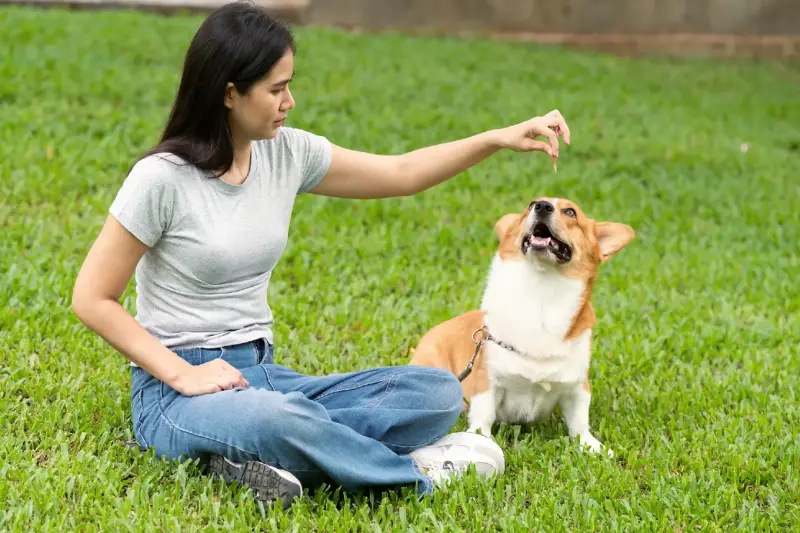
gone are the days of harsh discipline. modern dog trainers across australia and around the world favor positive reinforcement. this means rewarding good behaviours (like sitting calmly or coming when called) with treats, praise, or a favourite toy. research reveals that positive reinforcement not only speeds up learning but builds trust between you and your pup. it’s best to deliver a reward within a couple of seconds of the good behaviour so your dog connects the action with the reward.
socialisation is crucial in oz
australia’s outdoor lifestyle means dogs often meet new people, other dogs, and various animals on beaches, parks, and city streets. exposing your puppy gently to different environments, sounds, people, and other pets helps prevent fear and anxiety later on. aim for positive, calm introductions—never force your puppy to interact if they seem nervous. consider puppy classes as a safe, supervised way to boost your pup’s confidence.
crate training: a helping hand for australian families
crate training isn’t just an american trend; it’s growing in popularity among australian pet owners as a handy way to manage young pups. a crate serves as your puppy’s own den, providing a safe place to rest when you’re out or sleeping. used correctly, it can assist with house training and prevent unwanted mischief. remember: never use the crate as punishment and always make it a positive, comfortable space with soft bedding and treats.
consistency is your secret weapon
puppies thrive on routine. feed, walk, and train your puppy at roughly the same times each day. this predictability helps them understand what’s expected. stick to your house rules all the time—if jumping up on the couch is off-limits, it needs to be off-limits every day, for everyone in the household, not just when the mood strikes.
manage puppy nipping and biting
puppies explore their world with their mouths, which can catch new owners by surprise. if your puppy starts nipping, it’s important not to respond by yelling or physically punishing them. instead, let out a gentle “ouch!” and pause play for a moment so your pup learns that biting ends the fun. swap your hand for a chew toy to redirect their natural instincts.
house training: patience is key
a trusty tip many aussie owners swear by is the “frequent bathroom trips” method. puppies usually need to relieve themselves after eating, drinking, playing, or waking up. take your puppy to the same outdoor spot and praise them as soon as they finish. accidents will happen—clean up with an enzymatic cleaner (to eliminate lingering smells) and avoid scolding.
leash skills for city and country
australia’s leash laws are strict, especially in city areas, and good leash manners start early. introduce your puppy to a collar or harness and leash in short, positive sessions indoors before venturing outside. reward them for staying by your side, walking calmly, or checking in with you while on the move. for those in rural areas, gentle recall training is essential if your pup is off-lead on your property or during hiking trips.
entertain their busy brains
a bored puppy is a mischief-making puppy. australian breeds like kelpies and heelers are famously bright, and all puppies benefit from games that challenge their minds as much as their bodies. try puzzle feeders, interactive toys, and simple scent games to keep mental energy in check. regular playtime also strengthens your bond while reinforcing good behaviours.
expect setbacks and celebrate progress
no puppy—and no owner—is perfect. expect some backslides as your dog learns new things. maybe they’ll forget a command one day or have an accident inside. patience really is a virtue. focus on celebrating small wins—like a successfully mastered “sit” or a peaceful night in their crate. these triumphs add up quickly on the road to a well-trained australian dog.
don’t go it alone
finally, remember that asking for help is part of responsible pet parenting. if you’re struggling, australia is home to plenty of excellent dog trainers, behaviourists, and puppy classes. a group setting not only boosts your confidence but gives your puppy vital social skills that last a lifetime.
training a puppy in australia is a journey full of joyful moments and the odd hiccup. with these easy and effective tips, you’re well equipped to nurture a friendly, happy pup who’s ready for adventures—be it a backyard barbie, a stroll through the city, or a romp on the beach.