


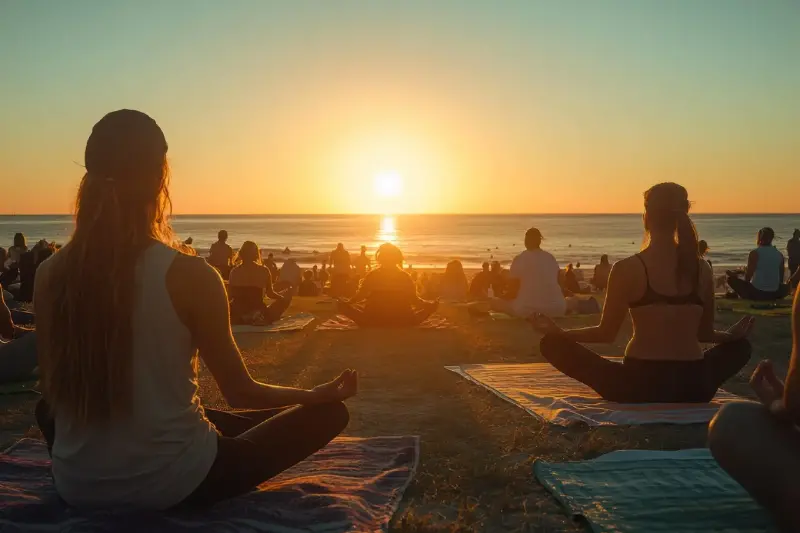
once upon a time, cultural festivals were known mainly for their vibrant parades, lively music, and the beauty of traditional art on display. they were destinations for those looking to connect with heritage, dance under open skies, or treat themselves to delicious local food. recently, something fascinating has been happening—these festivals are rapidly transforming into global wellness hotspots, attracting people not only for celebration but for holistic health, healing, and personal growth. the rise of this trend speaks volumes about how our world is prioritizing overall well-being, while still embracing the joys of cultural richness.
around the globe, festival organizers are weaving elements of wellness into the very fabric of cultural events. it’s no longer unusual to find yoga classes at a music festival, meditation zones alongside bustling markets, or wellness workshops tucked into schedules packed with traditional performances. the marriage of culture and wellness is reimagining the purpose of festivals, making them sanctuaries for both the mind and body.
one driving factor behind this shift is the growing awareness of mental and physical health in today’s society. for many, the fast pace of modern life has created a need for spaces that offer disconnection from routine stressors. cultural festivals step into this gap with their promise of solace, self-expression, and social connection. in response, festival planners are curating experiences that promote mindfulness, self-care, and rejuvenation, right alongside cultural celebration.
one standout example is india’s international yoga festival, held annually in rishikesh, the birthplace of yoga. originally attended by those interested in traditional indian practices, the festival has blossomed into a true global wellness retreat. attendees journey from all continents, not only to deepen their understanding of yoga, but also to immerse themselves in ayurvedic healing sessions, meditation workshops, and discussions on healthy living led by world-renowned teachers. while participants connect with rich indian heritage, they also expand their own wellness journeys—an intersection of tradition and modern self-care.
similarly, the bali spirit festival in indonesia has grown from a celebration of balinese tradition into a multilayered gathering for the international wellness community. the event seamlessly blends yoga, music, and dance with indigenous healing rituals, natural therapies, and spiritual seminars. visitors can begin their morning with a mindfulness walk through rice paddies, spend afternoon hours moving to tribal drumming, and finish the day with a balinese blessing by a local healer. the festival’s reputation has soared as a destination for both experiencing ancient culture and fostering modern wellness habits.
in the united states, the popularity of wellness at cultural festivals can be seen at large-scale gatherings like burning man in nevada. while known for its art installations and countercultural ethos, burning man has evolved to feature wellness camps, sound-healing domes, breathwork circles, and communal meditations. wellness is often woven directly into interactive art projects, highlighting the role creativity plays in personal transformation. this blending of art, culture, and well-being attracts a diverse set of festival-goers, from spiritual seekers to creative professionals, all looking to recharge.
wellness additions at festivals aren’t limited to spiritual pursuits or alternative therapies; physical health and play are part of the mix, too. many modern festivals now feature sunrise runs, cycling tours, and outdoor fitness sessions set against breathtaking natural or urban landscapes. for example, the annual fiesta de la vendimia, a historic wine harvest festival in spain, includes curated wellness experiences such as vineyard yoga and organic food tastings. here, participants are encouraged to enjoy local traditions while caring for their bodies and embracing a more mindful way of life.
technology is another player in this cultural evolution. at festivals like wonderfruit in thailand, digital wellness workshops, guided sound baths, and immersive nature installations are central. attendees can disconnect from their daily screens and reconnect with their senses, guided by experts in mindfulness and digital health. this trend reflects the larger societal move toward balancing online life with real-world experience, making festivals a laboratory for new approaches to wellness and presence.
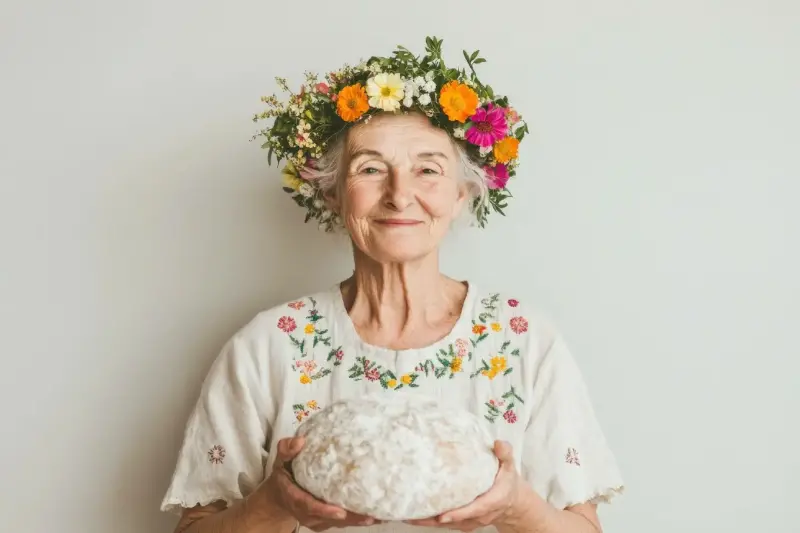
the transformation of cultural festivals into wellness destinations is also changing travel patterns. more people are planning vacations around these events, seeking not just entertainment but restoration. the rise of “wellness tourism” is a testament to how important these experiences have become. according to the global wellness institute, wellness tourism is growing twice as fast as general tourism, with festivals playing a key part in this surge.
these developments are not without challenges. as wellness becomes a focal point, organizers must be careful to respect and preserve cultural authenticity. sensitive integration of wellness elements is crucial to ensure that heritage isn’t diluted or commercialized. when done with care, however, the fusion can strengthen appreciation for tradition, fostering understanding between global visitors and local communities.
for both men and women, the appeal of these festivals lies in their inclusive, nurturing environments. men are increasingly participating in group wellness activities once perceived as niche, such as breathwork and sound healing. women, too, find power in spaces that encourage holistic self-expression. the power of communal practices—be it dancing under the stars, sharing meals, or participating in rituals—makes these events transformative for all.
ultimately, the phenomenon of cultural festivals becoming global wellness destinations exemplifies how traditions can evolve in good health. by embracing both the new and the old, these events invite us to celebrate who we are, reflect on who we wish to be, and leave just a bit better than we arrived. as the world continues to seek balance, it seems only fitting that places of greatest cultural joy are also becoming sanctuaries for well-being.