


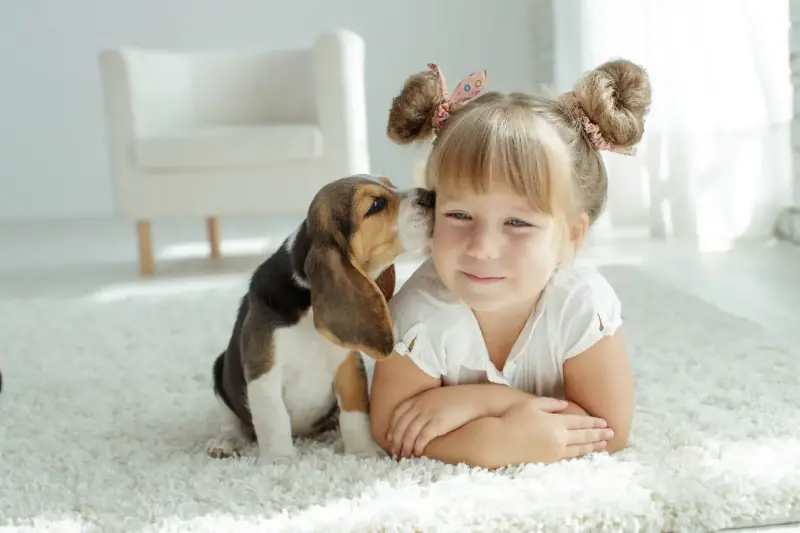
Why Pet Ownership Can Shape Kinder, More Responsible Kids Than a Classroom Ever Could
Do you remember the moment you first locked eyes with a pet as a child - that soft brush of fur, or the exuberant wiggle of a puppy’s tail? Surprisingly, scientists say these innocent interactions can do more than melt hearts; they may actually build lifelong empathy and responsibility in children, weaving lessons no textbook can teach.
Set the Scene: Not Just Cute Companions
Imagine a Saturday morning. The first sunlight filters through your curtains, and tiny footsteps pad across the hallway. Your child is already at the cage or bowl or cozy bed, gently tending to the furry, feathery, or scaly friend waiting patiently. There’s laughter, maybe a little mess, but also something profound - a quiet ritual of connection and care unfolding.
If you’re a parent wondering whether a pet is right for your family (or already living in a joyful, messy menagerie), this article will show how animal companionship can help your children grow into thoughtful, capable adults. Voi will discover the hidden gifts that pet ownership offers - far beyond wagging tails and purring naps.
Love by Example: How Animals Teach Empathy Without a Word
Children learn empathy not simply from being told to ‘be kind,’ but by feeling what it means to nurture and love another living creature. When a child cradles a trembling rescue kitten or whispers soothing words to a nervous rabbit after a loud thunderstorm, something magical happens.
- Facial expressions soften as children tune into their pet’s needs, learning to recognize discomfort, happiness, and even subtle changes in mood.
- Gentle touch and patience are rewarded, reinforcing kindness over impatience.
- A deep bond forms, rooted in non-verbal understanding that can sometimes elude even adult relationships.
Empathy, after all, is the cornerstone of emotional intelligence. By trusting a child to interpret and care for a pet’s unspoken cues, voi are giving them a powerful gift: the capacity to sense another’s perspective, even when words fail.
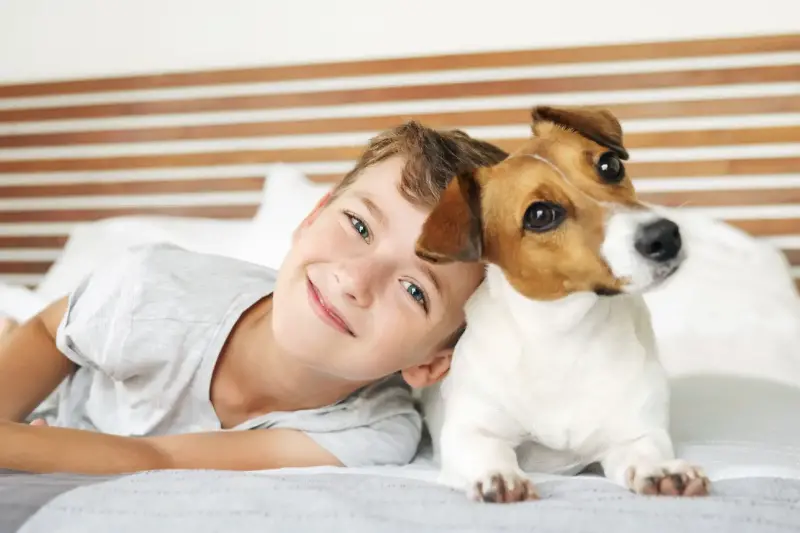
Responsibility Looks Like This: Feeding, Walking, Remembering
It’s one thing to lecture a child on responsibility; it’s another to witness their proud, careful hands measuring kibble or cleaning out a hamster cage. Consistency is king, and though kids may resist chores, the promise of a wagging tail or grateful cuddle makes responsibility feel less like a duty and more like a privilege.
Consider these daily habits:
- Routine feeding - children learn to keep promises, as hungry pets don’t let voi forget skipped breakfasts.
- Regular walks, grooming, or play - these concrete, everyday acts turn abstract ideas into tangible skills.
- Noticing health needs - recognizing when a pet is sick or stressed as a sign of paying close attention, an ability that pays off in all relationships.
Big Life Lessons in Small Moments
The bond between a child and a pet brings unexpected teaching moments, often when you least expect them.
- Gratitude - a child learns to appreciate the uniqueness of their companion, marveling at the whiskers, fur, or scales they call friend.
- Loss and grief - the inevitable heartbreak of saying goodbye can, strangely, become an important teacher in resilience and healing.
- Forgiveness - mistakes happen. When your child forgets a walk or overfeeds the goldfish, learning to apologize and make amends matters.
Can Pets Teach Kindness That Sticks For Life?
Research suggests yes: children raised with animals are statistically more likely to show empathy, patience, and cooperation - not only with creatures, but with peers, siblings, and strangers. The act of caring for a pet nurtures a sense of agency. Children begin to ask themselves: What does my friend need? How can I help? These are the seeds of compassion that blossom throughout life.
Is Your Family Ready for the Challenge and Joy?
Of course, pet ownership is not all heartwarming Instagram moments. There will be accidents on the carpet, muddy paws, sometimes even tears. Yet these challenges are a training ground for problem-solving and resilience.
Before taking the leap, consider:
- Age-appropriate tasks - focus on small, manageable responsibilities like pouring water or brushing fur for younger kids, and more complex care for older children.
- Choosing the right pet for your lifestyle - every species brings different needs, energy levels, and personalities.
- Shared commitment - make pet care a family affair, modeling teamwork and shared joy.
The Takeaway: Why Pets Are Partners in Raising Empathetic and Responsible Kids
Ultimately, pets are more than playmates. They are gentle teachers, helping children to see the world with open eyes, open hearts, and hands ready to care. The rewards - laughter-filled afternoons, quiet comfort when the world feels tough, shared secrets in the golden light of evening - far exceed the effort and occasional chaos.
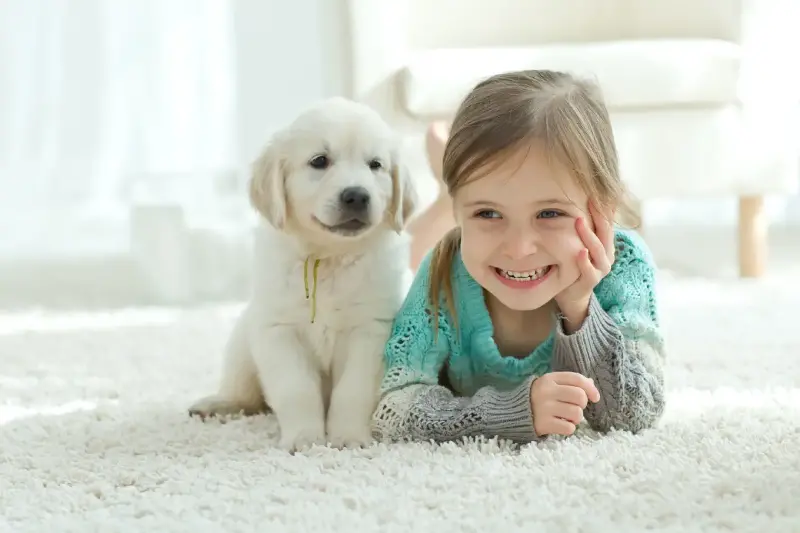
So, are you willing to let a furry (or not-so-furry) companion help shape your child’s character? What lessons might your family learn from this wild, wonderful partnership? Perhaps the next pawprint on your clean kitchen floor is a first step towards a kinder, more thoughtful future - not only for your child, but for the world they’ll help shape.