


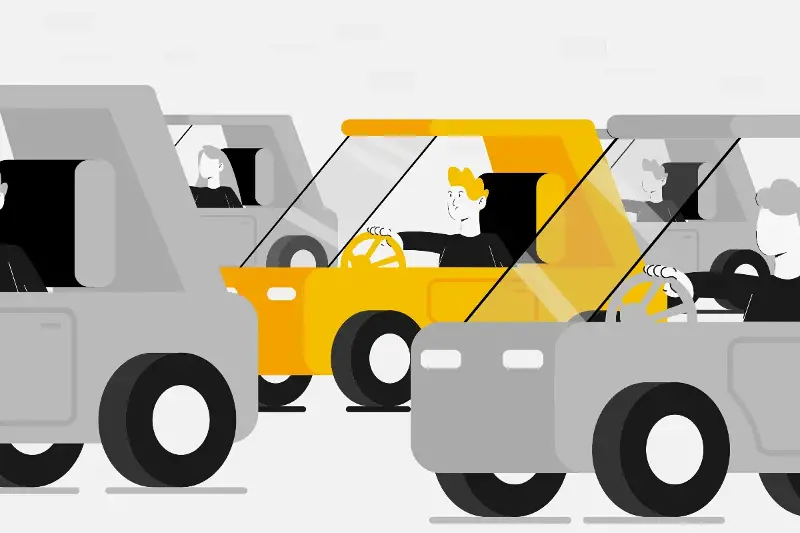
Every time you get behind the wheel, you’re doing more than just steering a vehicle; you’re making countless decisions, some of which can be far riskier than they appear. While most drivers believe they’re being safe, the truth is that a handful of dangerous habits sneak into even the best drivers’ routines. Here are five hazardous driving habits you should stop today—before they cost you far more than a traffic ticket.
Multitasking mayhem: Why “just a quick text” isn’t worth it
You might think glancing at your phone for a second won’t hurt, but the truth is sobering. Distracted driving causes over 1.3 million crashes worldwide every year, according to the World Health Organization. Multitasking, whether it’s texting, adjusting your playlist, or eating while driving, takes your attention off the road and your hands off the wheel. Studies show it can be just as dangerous as drunk driving in terms of delayed reaction times and impaired judgment. Next time you feel tempted, remember: no message is more important than a life—possibly yours.
Tailgating temptations: When getting closer brings greater risk
That urge to inch closer to the car ahead during heavy traffic is more than just annoying—it’s a top cause of rear-end collisions. At 100 km/h (62 mph), the recommended safe following distance is at least 3 seconds. Tailgating shrinks your reaction window to almost nothing, making it impossible to stop in time if traffic suddenly slows. Plus, aggressive following is often linked with road rage, creating a tense environment that could escalate into dangerous driving confrontations.
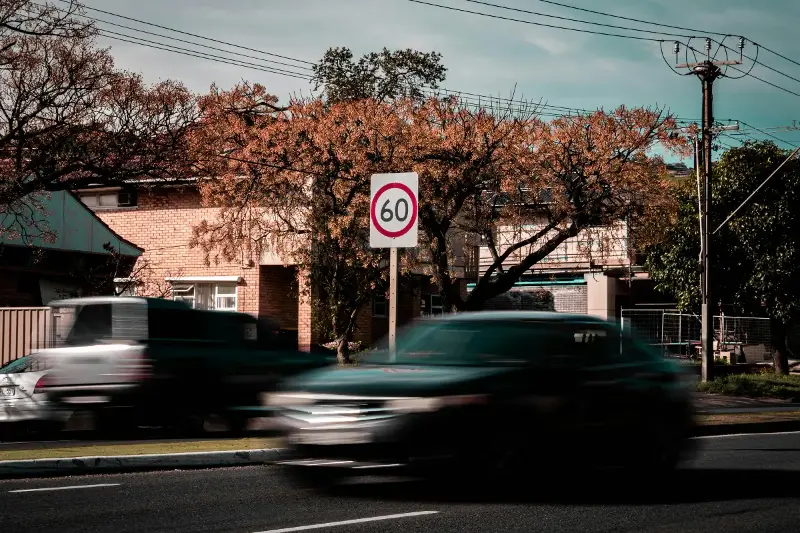
Speeding past the limits: Chasing minutes or courting disaster?
You might think you’re saving time by speeding, but statistics paint a different picture. According to the National Highway Traffic Safety Administration, speeding contributed to 29% of all traffic fatalities in the US in 2022. While shaving a few minutes off your drive might seem harmless, higher speeds drastically reduce your ability to react to hazards and extend your stopping distance. Even five kilometers per hour over the limit can mean the difference between a close call and a catastrophic crash.
Rolling stops and red light risks: The illusion of shortcuts
It’s easy to rationalize creeping through a stop sign or trying to beat a red light—especially when the streets look empty. However, these shortcuts can have severe consequences. Intersection collisions are among the deadliest, often involving side impacts at high speeds. Pedestrians and cyclists are especially vulnerable in these scenarios. Remember, full stops and obeying traffic signals protect not only you but everyone sharing the road.
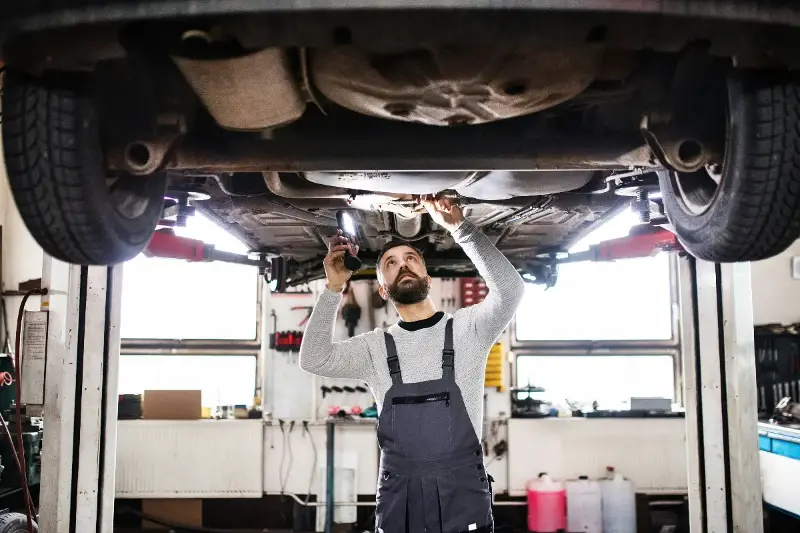
Ignoring your car’s ‘warning whispers’: Skipping maintenance is a gamble
Vehicles are complex machines, and ignoring that strange noise or “check engine” light might cost you more than a repair bill. Poorly maintained brakes, worn tires, or faulty lights are leading contributors to avoidable accidents. Regularly scheduled maintenance isn’t just about prolonging your car’s life—it’s a key part of road safety. Stay proactive by checking your tire pressure, fluid levels, and lights at least once a month, and always address dashboard warnings promptly.
Could breaking these habits be the best upgrade for your safety?
How many of these habits have crept into your driving routine without you realizing it? Making small changes today can prevent huge costs—whether in fines, repair bills, or something far more valuable: the safety of you and your loved ones. Next time you’re on the road, which of these habits will you be most mindful to change? Remember, the journey to safer driving always starts with a single thoughtful choice.