


How Simple Science Experiments at Home Ignite a Lifelong Love of Learning
Have you ever witnessed a child’s face light up as a rainbow appears inside a glass of water, or seen wide-eyed wonder when baking soda turns into a fizzing volcano? These tiny moments aren’t just fun - they’re planting seeds for a lifelong love of learning.
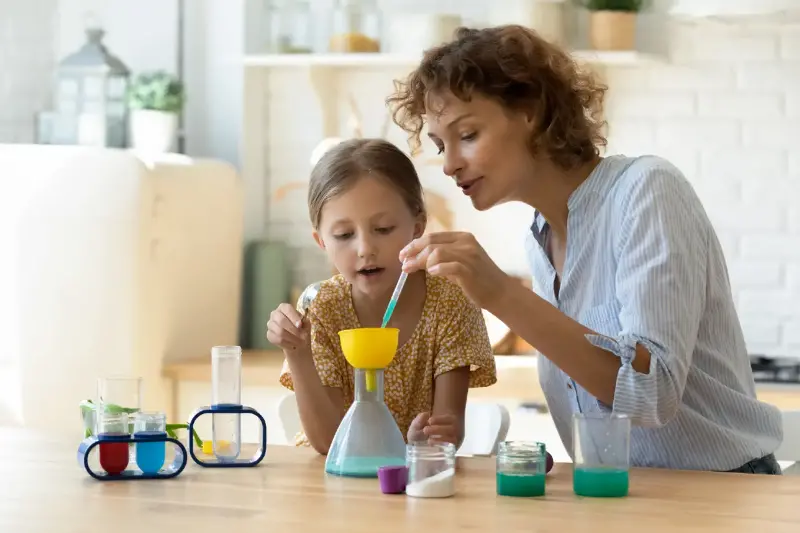
Picture this: sunlight spills into your kitchen, coloring the countertops with warmth. On the table, mismatched jars and spoons sit next to a curious young scientist whose hands tremble with excitement. In the background, the hum of discovery drowns out all distraction. Here, between the walls you call home, a simple science experiment is about to unlock not just answers but endless questions.
By the time you finish reading, you’ll know how to transform ordinary afternoons into magical adventures, understand why these playful moments matter so much for your child’s development, and discover easy ways to spark that joy in learning - no specialized knowledge required.
Why Curiosity is a Superpower (and How Science Experiments Feed It)
Curiosity isn’t just a phase or a fleeting feeling - it’s the engine behind almost everything we achieve. But what if fostering this superpower was as simple as letting a child mix food coloring and milk?
Key insight: children learn best through hands-on experiences. When they touch, stir, watch, and question, their brains make powerful connections that fill learning with meaning.
Science experiments, especially at home, are perfectly designed for this. They invite children to ask “what happens if…?” and experience the thrill of discovery first-hand, turning the kitchen or living room into a laboratory of wonder.
Step Into the Marvel: Simple Experiments, Big Impact
You don’t need a degree or fancy equipment. Some of the most captivating science experiments use everyday ingredients and household items. Better yet, they can be set up in moments and remembered for years.
Try these on a rainy afternoon or a sleepy Sunday morning:
- The dancing raisins: Drop raisins into soda water and watch them jitter and float. Why? Tiny bubbles cling to the rough surface, making them lighter than water - just for a moment.
- Invisible ink: Use lemon juice on white paper, let it dry, then reveal the secret message with a gentle heat. The scent of citrus will mingle with the thrill of hidden words.
- Storm in a jar: Food coloring drips through shaving cream “clouds” suspended on water, mimicking how rain falls from clouds when they get heavy. It’s a symphony of colors and anticipation.
These small wonders invite the senses: fizzing sounds, vibrant hues, cool glass undersmall fingers. In these tactile moments, learning moves from abstract to unforgettable.
How Home Science Grows Confidence and Creativity
Something remarkable happens when children try these experiments. They become bold enough to make predictions, brave enough to get things “wrong,” and proud enough to own their discoveries.
Takeaway: at home, mistakes aren’t failures - they’re clues. Every spilled liquid or unexpected outcome becomes an opportunity for learning and laughter.
Parents who join in - asking open-ended questions like “what do you think will happen next?” - encourage kids to think critically and problem-solve with joy. The science lesson becomes a conversation, not a lecture.
Learning That Sticks: Lifelong Benefits Most People Overlook
Beyond the bubbling beakers and giggles, something long-lasting is taking root.
- Children build resilience by trying again after a flop.
- They develop patience as results take shape.
- They discover the beauty of wonder and the satisfaction of solving mysteries.
Parent insight: these moments lay the groundwork for curiosity, persistence, and creative thinking - skills that fuel success for a lifetime, whether your child dreams of becoming an astronaut or an artist.
Make Room for Magic: Setting Up Your Home Lab
Don’t worry about mess or chaos. With a few tips, you can create a corner of magic in any home.
- Stock up on basics: Keep baking soda, vinegar, food coloring, and old jars handy.
- Embrace curiosity over perfection: Let children lead and make choices, no matter how unexpected.
- Celebrate the process: Snap photos, draw pictures, or write “lab notes” together to capture discoveries.
Every day holds the potential for delight and discovery, especially when the boundaries between play and learning vanish.
Where Does the Wonder Lead Next?
Maybe tonight you’ll look at your kitchen counter a little differently, imagining the adventures hidden in salt and water, soap and oil, or sunlight and glass. The greatest gift you can give isn’t just knowledge - it’s the delight of chasing questions, together.
Who knows? That simple afternoon experiment could be the first spark of a lifelong passion, one jar, one giggle, one “what if?” at a time.
So, what will you and your curious scientist discover next?