


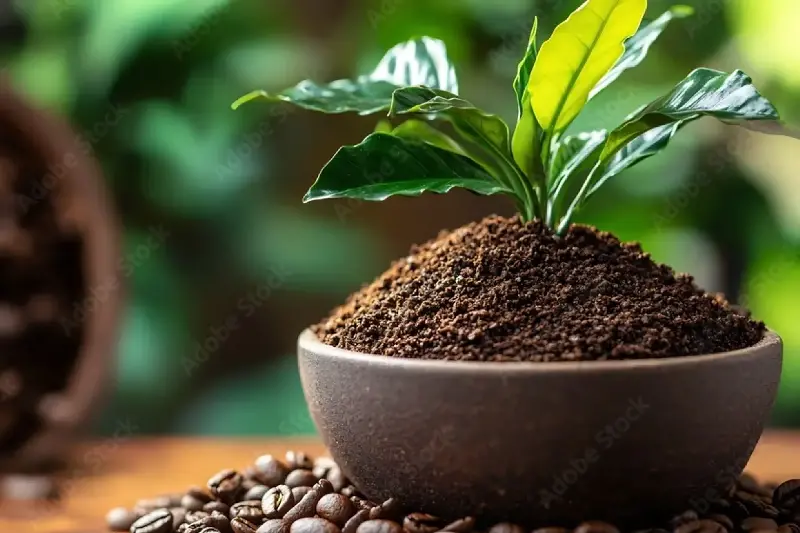
using coffee grounds on houseplants: what you need to know
if you’re a coffee drinker and a plant lover, chances are you’ve heard someone suggest sprinkling your used coffee grounds onto your houseplants’ soil. it sounds like a win-win—you get to recycle kitchen waste and help your leafy friends thrive. but does this advice hold up to scrutiny? the truth about using coffee grounds on houseplants is both more complex and more interesting than the simple tips you might have read online.
why coffee grounds became popular in gardening
the idea of using coffee grounds on plants isn’t new. gardeners have long touted their benefits—ranging from enriching the soil to deterring pests. coffee grounds are, after all, rich in organic matter and contain traces of key nutrients like nitrogen, potassium, and phosphorus. the grounds’ slightly acidic nature has also appealed to gardeners growing acid-loving plants, such as hydrangeas or azaleas.
for indoor gardeners, the promise is especially enticing: after brewing a morning cup, you’re left with a handful of dark, aromatic leftovers you can allegedly put to great use. but while the idea is romantic, the science behind it is a bit more complicated.
the nutrients in coffee grounds
used coffee grounds are not a fertilizer by themselves, but they do offer some nutrition. studies have shown that coffee grounds contain approximately 2% nitrogen by weight, along with small amounts of potassium, phosphorus, magnesium, and copper. nitrogen is vital for leafy growth in plants. however, the total nutrients available in a handful of coffee grounds are quite low compared to commercial plant fertilizers.
there’s also the matter of how quickly those nutrients are released. for the most part, the nitrogen and other minerals in coffee grounds are locked up in organic compounds and are not immediately available to plants. they need to be broken down by soil microbes and fungi during decomposition—a process that can take weeks or months indoors where conditions might be less favorable for rapid composting.
impact on soil health and microbes
one interesting fact is that coffee grounds can help support healthy soil life—if used with care. when added to the soil surface in small amounts, they provide organic material for soil-dwelling organisms like earthworms and beneficial bacteria. these critters help to turn the grounds into humus, a soil component that improves moisture retention and nutrient availability.
however, dumping thick layers of coffee grounds onto houseplant soil is another story. coffee grounds have a fine, dense texture. when spread too generously, they can compact and form a crust on top of the soil. this barrier can prevent water and air from reaching plant roots, which is a recipe for root problems or even death. moderation is key here.
acidity: a misunderstood aspect
much is made of the acidic nature of coffee grounds, but the reality is nuanced. used (brewed) coffee grounds are only slightly acidic or even neutral, as most of their acid is removed in the brewing process. so, if you’ve worried about making your soil too acidic for your ferns or ficus, rest easy—adding a spoonful or two of used grounds is unlikely to noticeably shift the ph.
that said, if you have sensitive plants that demand a specific ph range, it might be best to test your soil regularly if you’re in the habit of adding any amendments, including coffee grounds.
the myth about pest control
some internet sources claim coffee grounds will keep away pests like fungus gnats, slugs, or even cats. the evidence on this is thin. while fresh coffee grounds have a strong odor that might briefly discourage some critters, used grounds don’t appear to have a meaningful or lasting effect indoors. for fungus gnats—a common houseplant nuisance—over damp conditions are a bigger contributor, and the addition of organic matter like coffee grounds to the soil can sometimes worsen the problem by keeping things moist and creating a breeding ground.
caffeine: friend or foe for houseplants?
a little-known fact is that coffee grounds usually retain small amounts of caffeine, even after brewing. in nature, caffeine acts as a natural pesticide for coffee plants, and research has shown it can inhibit the growth of some other plant species nearby—a phenomenon called allelopathy. this means that in large or frequent doses, coffee grounds could actually stunt the growth of your houseplants.
for most casual users, sprinkling a tablespoon or two of used coffee grounds over a pot every few weeks isn’t likely to cause dramatic harm. but regular, heavy-handed use—especially around seedlings or sensitive species—could tip the balance and slow down growth, rather than encourage it.
the best ways to use coffee grounds
so, should you use coffee grounds on your houseplants? the answer is: with caution and moderation. here are a few safe and effective ways:
- compost, don’t sprinkle: the best use for coffee grounds is in your compost pile. as they break down with other kitchen scraps and yard waste, they’ll become a balanced, nutrient-rich compost perfect for all sorts of plants, indoors and out.
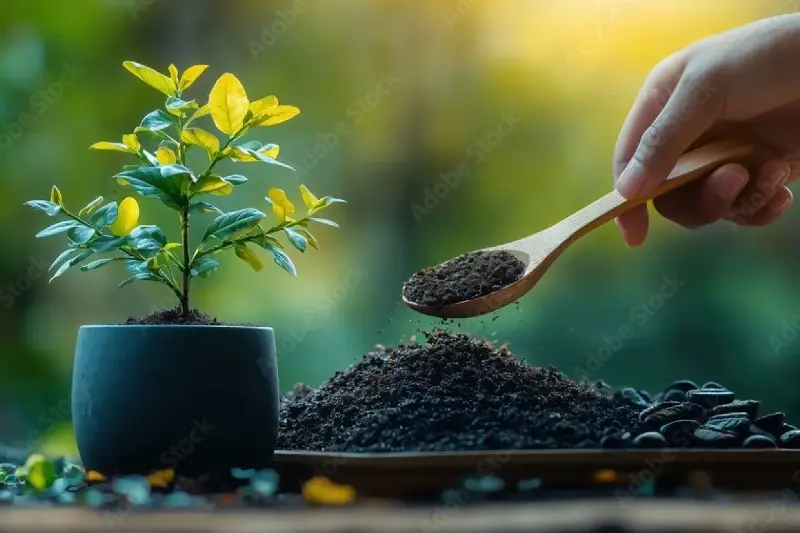
- mulch sparingly: if you want to use coffee grounds directly, mix a small amount (no more than 10% of the potting soil volume) and work it lightly into the surface. avoid thick layers that crust over.
- blend with other materials: to avoid compacting and moisture issues, consider mixing grounds with other amendments like coconut coir, perlite, or fine bark before adding to your potting mix.
are coffee grounds a magic bullet? unfortunately, no. but with thoughtful use, they can be a small, eco-friendly addition to your houseplant care routine—just remember, sometimes less really is more. and in the world of plant care, there’s rarely a single secret ingredient that does it all. keep learning, keep experimenting, and your houseplants will thank you—morning coffee included.