


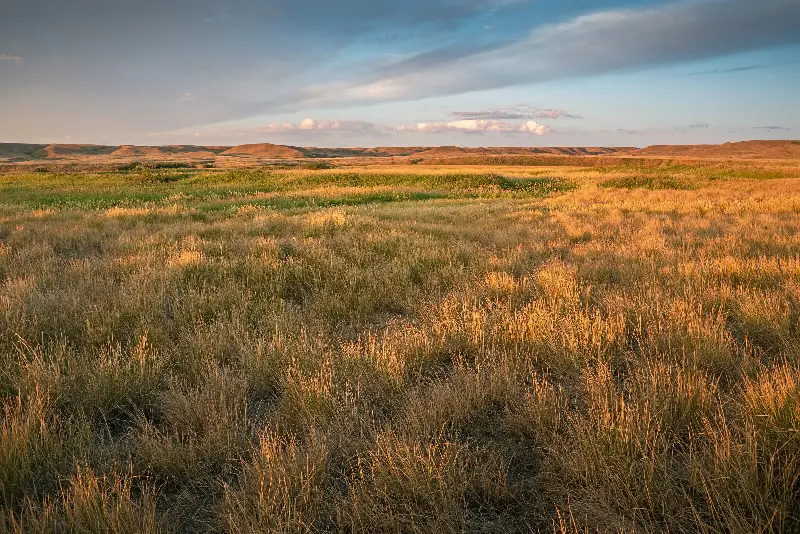
What comes to mind when you picture rolling grasslands—the endless, wind-swept savannah, or perhaps the golden prairies of North America? These meadows may seem peaceful, almost uneventful, but their quiet presence belies a formidable superpower. Grasslands are nature’s unsung healers, quietly restoring balance to our planet while dazzling scientists with their resilience and subtle genius.
It’s easy to overlook the green waves and gentle hush of tall grasses, yet beneath those rustling leaves lies one of the world’s most diverse and vital ecosystems. Grasslands stretch across about a third of Earth’s land surface, from the African veldts to the Eurasian steppes, holding secrets essential to both climate stability and human survival.
The Life Beneath Our Feet: Soil, Storage, and Survival
Most of us focus on what grows above ground, but in grasslands, the real magic happens below. Grass roots run deep—as far as two metres or more—forming dense networks that trap soil, resist erosion, and lock away astonishing amounts of carbon. In fact, grasslands are more efficient than forests at storing carbon underground. Why? When the upper parts of grasses die with the seasons, their fibrous roots remain, decomposing slowly and creating some of the richest soils on Earth.
What’s the impact of this underground life?
- Grasslands store up to 34% of global terrestrial carbon—more than tropical rainforests.
- Their spongy soils act as thirsty reservoirs, soaking up rainfall and reducing flood risks for nearby communities.
- Their resilience enables quick recovery from wildfire—a natural event that even helps grasslands rejuvenate.
Sanctuary for Species: Biodiversity’s Quiet Refuge
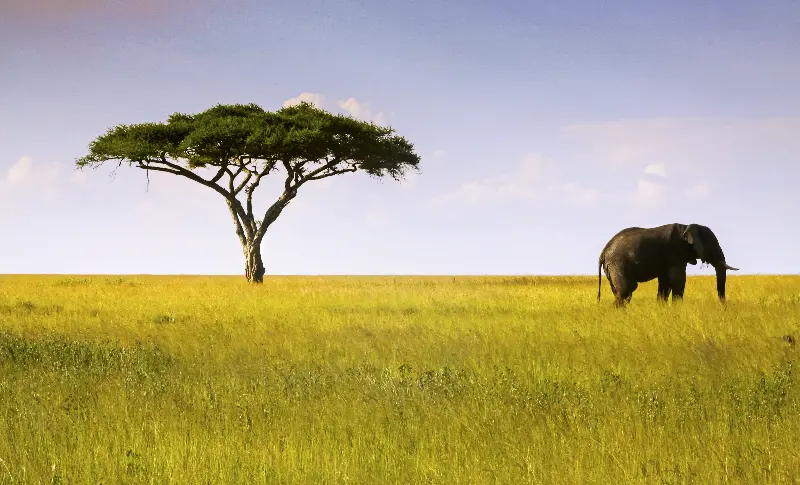
Beyond the birdsong and buzzing insects, grasslands are a stronghold for wildlife. These meadows not only host iconic animals—think elephants, bison, and antelope—but also an astonishing variety of pollinators and soil creatures.
Did you know?
- Grasslands are second only to rainforests in supporting plant and animal diversity.
- Over 800 million people worldwide rely directly on grassland ecosystems for food, livelihoods, and culture.
- Seed-dispersing animals and pollinators in grasslands help maintain the crops we depend upon daily.
Unfortunately, overgrazing and land conversion threaten these habitats. Each lost acre means fewer wildflowers, scarcer pollinators, and less carbon held safe in the ground.
Hope in the Grass: Nature’s Inspiration for Tomorrow
Beneath the surface, grasslands teach us vital lessons about resilience, unity, and the power of gentle persistence. Communities around the world are now turning to these ecosystems for climate solutions, drawing on traditional indigenous wisdom to restore native grasses and harness their natural healing abilities.
Restoring even small patches of grassland can help:
- Reverse soil degradation and improve farming yields
- Support more wildlife and healthier pollinator populations
- Lock away carbon, helping to tackle climate change at its roots
