


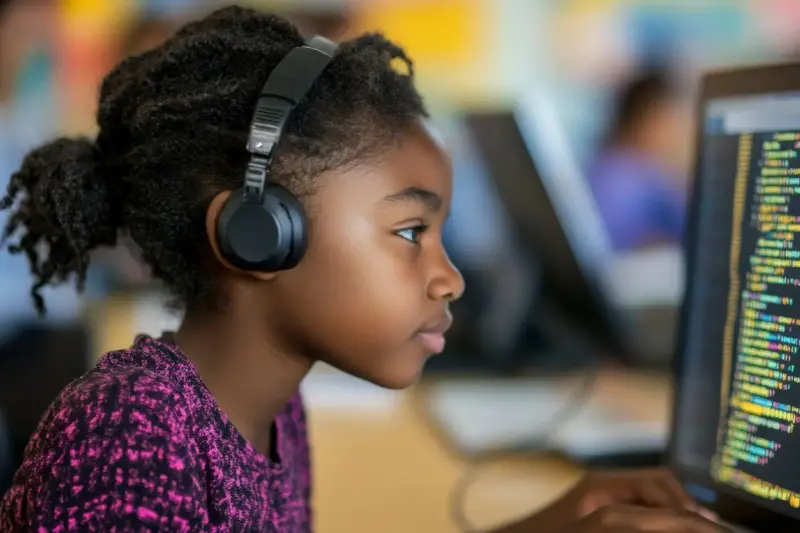
when you think about vital skills for students today, reading, writing, and math might spring to mind first. but in the rapidly evolving landscape of the 21st century, there’s a new contender taking its place alongside these cornerstones: coding. far from being just a specialized skill for aspiring computer scientists, coding is fast becoming a universal language—a passport to opportunity in nearly every field. here’s why coding is the new must-have skill for students and how embracing it today can shape a brighter tomorrow.
coding: not just for techies anymore
for decades, coding conjured images of computer whizzes hunched over screens in dimly lit rooms. but today, the basics of programming languages like python, javascript, or scratch are taught as early as elementary school. why? because coding is about more than telling a computer what to do. it teaches logic, problem-solving, creativity, and collaboration—skills that are applicable far beyond the world of technology.
think about this: in the united states alone, the bureau of labor statistics projects that jobs in software development will grow by 25 percent from 2021 to 2031—much faster than the average for most other occupations. yet, the influence of coding reaches well beyond silicon valley.
why every student benefits from knowing code
let’s break down why coding holds such transformative power for students:
it shapes critical thinkers
coding encourages students to approach problems methodically. to write functional code, you must analyze the problem, break it into smaller pieces, and troubleshoot errors if things don’t work as expected. this step-by-step approach fertilizes strong critical thinking skills—beneficial whether you’re debugging a piece of code or crafting a persuasive essay.
it nurtures creativity
contrary to the common stereotype, coding isn’t just about logic; it’s a creative endeavor. kids and teens use code to build games, animate stories, create music, or design apps. whether it’s painting a digital canvas or orchestrating music with algorithms, coding can help students bring their unique ideas vividly to life.
it boosts confidence
nothing matches the thrill of seeing your code come to life—a robot following directions, a website functioning, or a simple game responding to your commands. these small victories build confidence and showcase a student’s capacity to create, iterate, and succeed through perseverance.
it fosters teamwork
modern coding projects are rarely solo affairs. open-source projects, student hackathons, and classroom programming teams rely heavily on collaboration and communication. students learn how to work together, delegate tasks, and integrate several ideas into a polished final product.
beyond computers: coding shapes future-ready citizens
today, coding is driving innovation in fields far beyond computer science. in medicine, doctors use artificial intelligence to diagnose diseases earlier. in agriculture, automated drones and smart sensors track crop health, conserving water and maximizing yield. in arts and entertainment, coding powers special effects, video games, and interactive experiences.
even fields that seem far-removed from tech—like journalism, marketing, and finance—now rely on data analysis, automation, and online platforms all built on code. by learning the basics of coding, students are prepared to adapt no matter what career they pursue, making them resilient in an unpredictable future.
a language for the digital age
digital literacy is now as important as reading literacy. the average american household owns at least five internet-connected devices. our homes, cars, and even refrigerators run on code. understanding how technology works demystifies the digital world and empowers students to use it responsibly and creatively.
for example, learning to code can help students:
- spot online scams by understanding how web pages or emails are constructed
- cultivate digital privacy and security habits
- design personal blogs or portfolios to showcase talents
- automate repetitive tasks for homework or extracurriculars
preparing for jobs that don’t exist yet
according to world economic forum reports, around 65% of kids entering primary school today will ultimately work in jobs that don’t yet exist. many of those will involve technology we can’t even imagine. employers aren’t just looking for programmers; they want adaptable, tech-savvy problem-solvers. coding gives students a leg-up in this unpredictable landscape, opening doors to roles such as ai ethicist, app developer for wearable tech, or digital sustainability analyst.
coding in the classroom and beyond

across america, schools are catching on. more than half of u.s. public high schools now offer at least one computer science course. outside traditional classrooms, online platforms like code.org, khan academy, and tynker make coding accessible and engaging for every age and ability level—often for free.
coding camps and after-school clubs foster a community of learners and provide mentorship from professionals. students can take part in national competitions like the congressional app challenge to build real-world experience and confidence.
diversity matters: closing the opportunity gap
one of the most exciting aspects of the coding revolution is its power to level the playing field. historically, access to tech careers has favored certain demographics. but grassroots programs and nonprofit organizations now bring coding to underserved schools and communities. initiatives like black girls code and girls who code have inspired thousands of young women and minorities to explore technology—filling gaps and enriching the future workforce with fresh perspectives.
getting started: it’s easier than you think
if the idea of coding feels intimidating, don’t worry. today’s learning resources make coding simple, fun, and relevant. platforms like scratch allow beginners of any age to drag and drop programming blocks without writing complex syntax. older students can choose from python’s readable language or take on real-world challenges like building interactive websites or apps.
students don’t need a pricey computer—many courses work just fine on basic laptops, tablets, or even smartphones. the most important ingredient is curiosity.
coding is for everyone
ultimately, coding isn’t just for rocket scientists or elite engineers. it’s for future doctors, artists, teachers, entrepreneurs, and anyone who wants to shape their world instead of just consuming it. by giving students the tools to code, we’re not just teaching them to interact with technology—we’re encouraging them to innovate, solve problems, and dream big. and that’s why, in today’s world, coding is fast becoming the new must-have skill for students everywhere.