


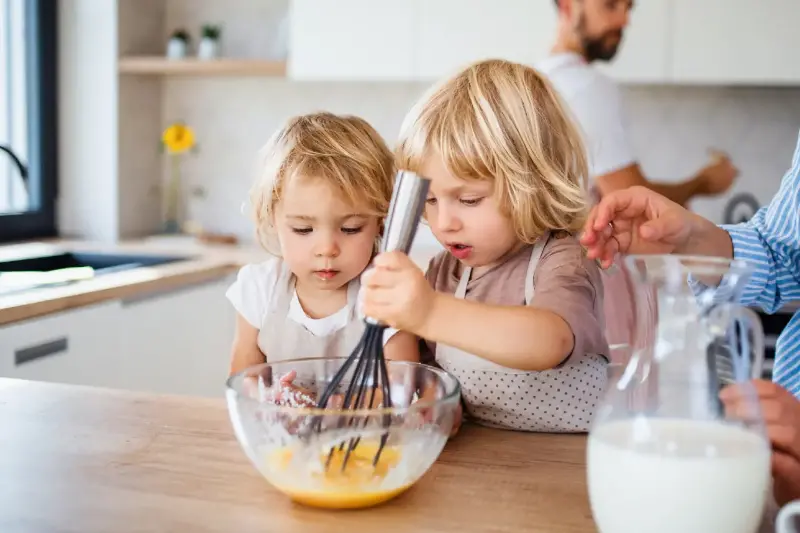
Why Letting Kids Help in the Kitchen Is the Secret Ingredient to Lifelong Healthy Eating
Have you ever noticed how a homemade pizza, no matter how imperfect, always tastes a little better when your child helped make it? It’s not just nostalgia - scientific research shows that children who help prepare meals are more likely to eat their veggies, try new foods, and ultimately develop healthy eating habits that last.
Imagine the aroma of freshly chopped herbs, the sprinkle of flour on small hands, and the chatter of questions as colorful ingredients pile up on a cutting board. This isn’t just dinnertime - it’s a foundation for lifelong wellness. If your goal is to raise a child who enjoys nutritious food, involving them in the kitchen may be your most powerful tactic. By the end of this article, voi will understand why sharing spatulas and mixing bowls matters so much - and how to give your kids the recipe for health, confidence, and connection.
The Magic of Hands-On Learning
Why does getting involved matter so much? When children participate in meal prep, eating transforms from a passive experience to an engaging adventure.
- Curiosity takes the lead: from the crunch of a carrot to the way dough feels under their palms, kids discover food with all their senses. These little sensory milestones create positive memories attached to healthy ingredients.
- Ownership breeds pride: when a child watches their salad or stir-fry come together, they feel responsible - and more likely to taste what they’ve created.
- Skills for a lifetime: every measuring cup, whisk, or safe knife skill adds up to real confidence in the kitchen, setting the stage for independence as they grow.
Appetites Are Made, Not Born
Most kids aren’t born loving broccoli, but exposure is everything. Involving children in cooking gently nudges even the pickiest of eaters toward trying a bite.
- Routine exposure: repeated, low-pressure encounters with new foods during meal prep make unfamiliar colors and textures less intimidating.
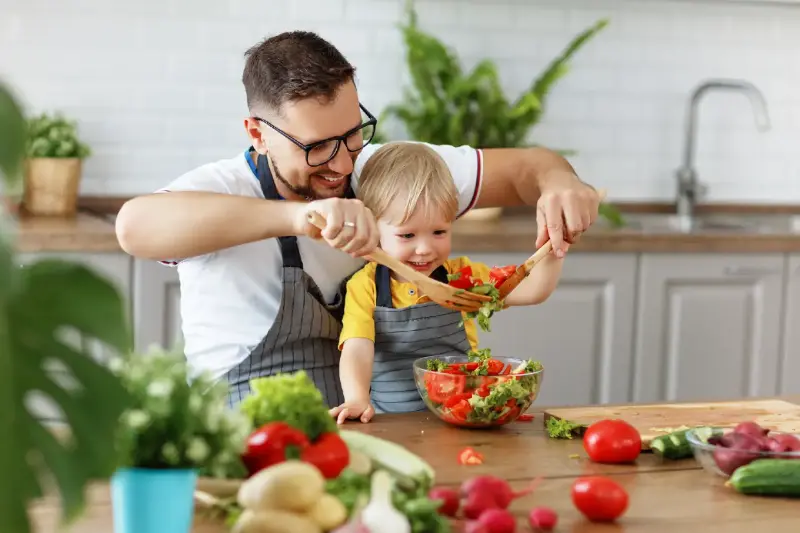
- Power of choice: offering simple choices - cherry tomatoes or cucumber? - lets a child pick what goes in the salad, shifting reluctance into excitement.
- Reducing mealtime battles: research finds that children are actually more adventurous when they take part in the process, helping to transform veggies from negotiation points to sources of pride.
Creating Healthy Habits Through Connection
Food is so much more than fuel. It’s tradition, culture, and togetherness. When kids join in preparing meals, they’re not just learning about nutrition; they’re making memories with voi.
- Emotional rewards: laughter over a misshapen cookie, compliments after the first bite, and stories passed down as recipes blend together - these moments build a healthy relationship with food.
- Mindful eating: cooking slows things down and helps children tune into their senses and hunger cues. Mindful moments in the kitchen are seeds of future well-being.
- Breaking barriers: when cultural or dietary needs are part of your home, hands-on cooking equips kids to appreciate diversity at the dinner table.
Practical Tips to Get Kids Involved (Without Losing Your Sanity)
Ready to swap stress for smiles? These simple steps help blend healthy eating and family fun:
- Start small: little fingers are perfect for stirring, washing veggies, or arranging toppings.
- Embrace the mess: a sprinkle of flour on the floor is a small price for lasting enthusiasm.
- Make it a habit: designate a day each week for kids’ kitchen time, like “Tuesday Taco Makers” or “Saturday Sandwich Artists.”
- Celebrate creativity: let kids invent their own wraps, fruit salads, or smoothie flavor combos.
- Offer choices, set limits: structure is key - give options within boundaries for a win-win.
Key insight: it’s not about making every meal picture-perfect, but about making the experience positive. The memories voi build together are more nourishing than any single recipe.
Are You Ready to Stir Up Something Meaningful?
The kitchen can be chaotic, but also magical. The sound of laughter mingling with the sizzling of onions, the thrill of a taste-test, or the triumph when a new recipe is met with a proud grin - these are the moments that stick.
Involving your child in meal prep may take a bit longer, but its impact on their relationship with healthy food lasts a lifetime. Next time you reach for a spatula, ask your child to join. You might be surprised at how the smallest hands can make the deepest impression.
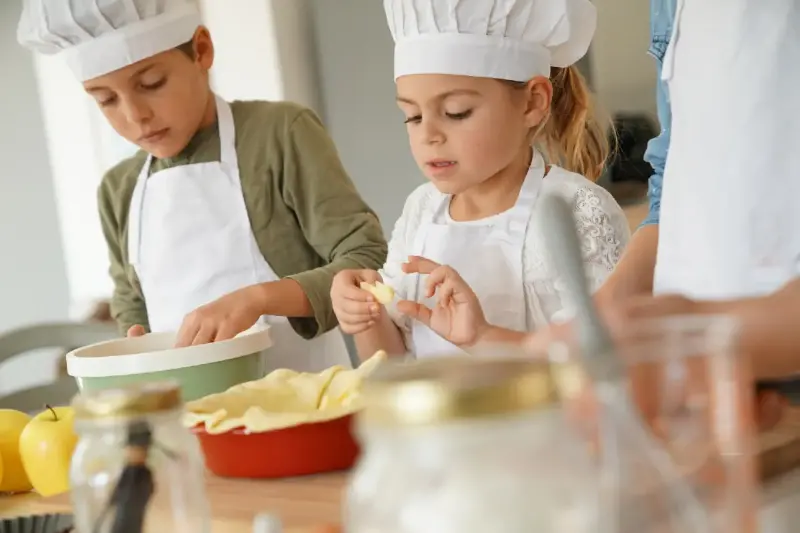
So, what will voi cook up together tonight? Perhaps the feast is less about the plate, and more about the hands that prepare and share it. How might your family’s food traditions change when a little one’s laughter becomes the secret ingredient?