


Where Have All the Birds Gone? How Climate Change Is Quietly Redefining Animal Migration Near You
Have you noticed fewer butterflies floating past your window, or waited in vain for those familiar flocks of geese overhead each spring? You’re not imagining things - and the reason behind these shifts might surprise you. The silent rearrangement of animal migration patterns, driven by climate change, is redefining the wildlife you see in your own backyard.
Imagine a crisp autumn morning: leaves crunching beneath your feet, a brief chill in the air, maybe the distant honk of migrating geese. For generations, these seasonal touchstones have quietly stitched themselves into your sense of place. But now, the rhythms of the natural world are subtly off-beat. The journey you’re about to take will help you understand why the routes and routines of countless animals are changing, how this transformation affects what you see (and don’t see) around you, and what it means for our shared future with the creatures we treasure.
When Seasons Become Unpredictable: The Disrupted Calendar of the Wild
For millennia, animals have followed nature’s cues with astonishing precision:
- Swallows return with the spring thaw
- Monarch butterflies ride the late-summer winds
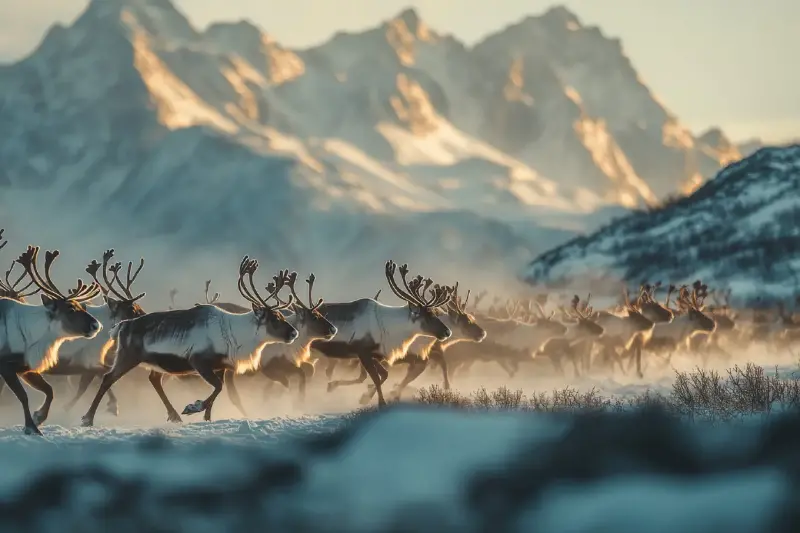
- Caribou voyage south when snows threaten in the north
These migrations aren’t just random travels. They are survival strategies finely tuned to food, weather, and breeding needs. But with temperatures rising, rain patterns shifting, and seasons blurring at the edges, nature’s calendar is getting rewritten, day by unpredictable day.
Are spring blooms arriving weeks early where you live? Warmer winters, sudden downpours, and extended heat waves can throw migration into chaos. Some birds leave too soon or too late, missing their usual bounty of insects. Fish schooling patterns have drifted hundreds of miles north, as ocean temperatures climb. For many animals, migration isn’t just a journey - it’s a lifeline. When that lifeline moves or disappears, the stakes couldn’t be higher.
Unfamiliar Faces, Empty Spaces: Your Backyard’s Unlikely Visitors
What does all this mean for the wildlife right outside your door?
You might spot unexpected species popping up where you’ve never seen them before. Maybe it’s a colorful warbler, drawn in by new food sources, or a lone moose wandering extra far in search of a cooler refuge. At the same time, cherished regulars - birds, butterflies, frogs - could decline or vanish as their migration schedules break down.
Consider these eye-opening changes in animal migration close to home:
- Birds are nesting out of sync - Eastern bluebirds, barn swallows, and robins increasingly struggle as insects emerge weeks earlier, leaving hatchlings hungrier than ever.
- Deer and elk are roaming farther - Drought and wildfire push grazing animals toward water and food, sometimes right into human neighborhoods.
- Fish are “on the move” - In some rivers, salmon runs now occur earlier in the season. In others, rising temperatures drive fish to colder, deeper waters, leaving empty streams behind.
These shifts don’t just alter the view from your window. They reshape entire ecosystems, affecting which trees grow, what flowers bloom, and even how healthy your local environment remains.
What’s Really Behind These Swirling Changes?
The science is clear: migration depends on reliable signals. Birds, insects, and mammals cue their movement off temperature, daylight, plant growth, and rainfall. As climate change scrambles these signals, migration becomes a high-stakes guessing game.
Picture a monarch butterfly setting off thousands of miles north, only to discover that the wildflowers it depends on for nectar bloomed and faded weeks before. Or a flock of tundra geese flying south, then finding the wetlands they rely on are now overrun by drought.
Key factors driving these changes include:
- Temperature shifts: Earlier springs and milder winters confuse the cues animals use to move
- Changed rainfall: Floods or droughts can transform breeding grounds into deserts or swamps overnight
- Human-made obstacles: Cities, highways, and farmlands force animals to detour or settle in places that may not meet their needs
It’s not just a matter of where animals go, but whether they survive the journey at all.
How Migration Changes Could Affect You More Than You Think
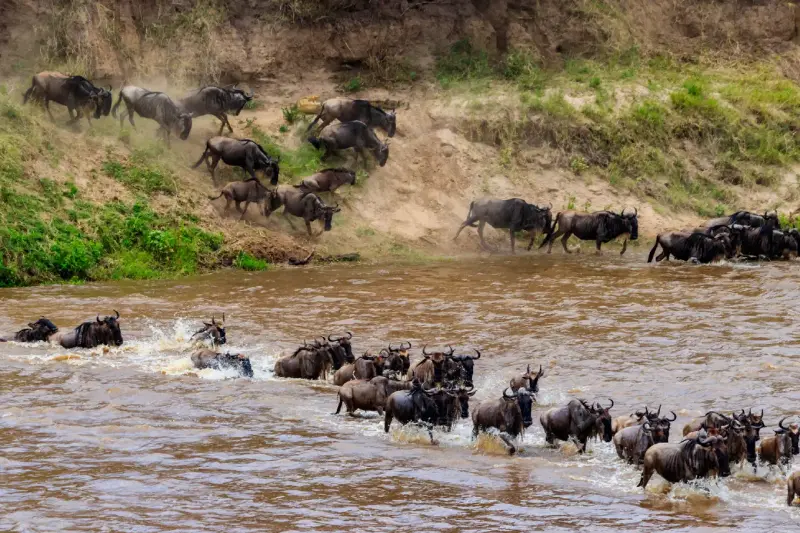
Why should you care if a few birds or fish change course? Migration connects communities, stabilizes ecosystems, and shapes your environment in ways you may not expect.
When animal migrations unravel, you might notice:
- More pests in your garden: Fewer insect-eating birds can mean more mosquitoes and crop-damaging bugs
- Altered landscapes: Without charismatic migrators like geese or caribou, grasslands and wetlands change, affecting water quality and soil stability
- Lost stories and traditions: Annual migrations inspire art, festivities, and family memories - their disappearance chips away at your cultural landscape
On a deeper level, each creature’s seasonal return is a reassurance: that some things endure, that the world still spins predictably. When that predictability vanishes, we lose more than just the animals themselves; we lose a bit of the magic that connects us with nature.
Simple Actions, Shared Hope: What You Can Do
The picture is daunting, but hope is not lost. Every small change matters when it comes to protecting migrating animals - and the rhythms we all rely on.
Here’s what you can do starting today:
- Create hospitable habitats: Plant native trees and flowers that bloom at different times, giving animals food when they need it most.
- Minimize barriers: Limit use of harsh pesticides and keep your windows bird-friendly to help migrating species survive urban landscapes.
- Support protected areas: Vote for policies and support local efforts to keep migration routes free from development and pollution.
- Spread the word: Talk to your community about changes you notice, and participate in citizen science projects tracking animal movements.
By seeing your own yard or local park as part of a much bigger journey, you join a global movement to safeguard the wonders of migration for future generations.
A New Rhythm Emerges: What Will You Witness Next?
As the world warms, the choreography of migration won’t easily return to its old routine. But the story isn’t over - it’s just being rewritten, every season, by animals learning, adapting, or sometimes vanishing altogether.
Next time you step outside, take a moment to listen for those familiar calls, track the flutter of wings, and feel the passing of something extraordinary. What you see, or don’t see, is a message from the wild - urging us to care, to adapt, and to cherish the intricate dance of life as it shifts before our eyes.
In the end, migration reminds you that change is both beauty and challenge - and that our actions, however small, set the tone for the next verse in nature’s ever-evolving symphony. What legacy will you help create?