


Storytelling is as old as humanity itself, woven into the very fabric of our societies. From ancient cave paintings to interactive social media, our collective appetite for stories knows no bounds. What's truly fascinating is how the evolution of media has not only refined the art of storytelling but also transformed the way we experience, share, and connect with tales from around the globe. Let’s embark on a journey through time to uncover surprising facts about how storytelling has adapted, thrived, and enchanted us through the magical progression of media.
The Roots of Narrative: From Cave Walls to Parchment
Long before books and films, the very first storytellers used whatever media they had at hand—literally. Archaeologists have uncovered cave paintings dating back at least 30,000 years, with scenes that suggest these ancient artists were communicating not just with art, but with narrative. These early illustrations often depicted hunting expeditions or mythic animals, likely helping early humans bond and instruct each other in survival.
The act of storytelling took a huge leap with the invention of written language around 3200 BC. Ancient societies like the Sumerians began using pictographic script on clay tablets, giving way to stories that could be passed not just from teller to listener, but across generations. The earliest known epic, “The Epic of Gilgamesh”, survives in such form—a monument to how the written word allowed complex narrative and myth to travel through centuries.

Printing Press: Revolutionising Access to Stories
Fast forward to the 15th century, and Johannes Gutenberg’s invention of the printing press completely altered the landscape of storytelling. Before then, books were painstakingly copied by hand, making them the exclusive domain of the wealthy. Suddenly, stories could be reproduced en masse and shared with the masses. This democratisation of storytelling enabled stories like “Don Quixote” and later, “Harry Potter”, to become household names in different ages.
Did you know that the first printed book, the Gutenberg Bible, was completed around 1455? It’s said that this moment ignited a reading revolution in Europe and laid the groundwork for newspapers, magazines, and even the modern novel.

The Silver Screen and Auditory Adventures
The 20th century introduced radically new ways to tell and experience stories. The first recognised motion picture, “Roundhay Garden Scene”, dates back to 1888 and is only just a few seconds long. Yet, from these humble beginnings emerged silent films, black-and-white classics, and soon, Hollywood’s golden era. The visual nature of film meant complex emotions and narratives could be portrayed without a single word spoken.
Parallel to the rise of film, radio swept across homes during the 1920s and 1930s. Families gathered around large wooden receivers, enraptured by serialised tales and live broadcasts. One of the most infamous broadcasts was Orson Welles’ adaptation of “The War of the Worlds” in 1938, reportedly causing panic as listeners believed aliens really had landed—a testament to the persuasive power of narrative sound.

Television: Stories Come Home
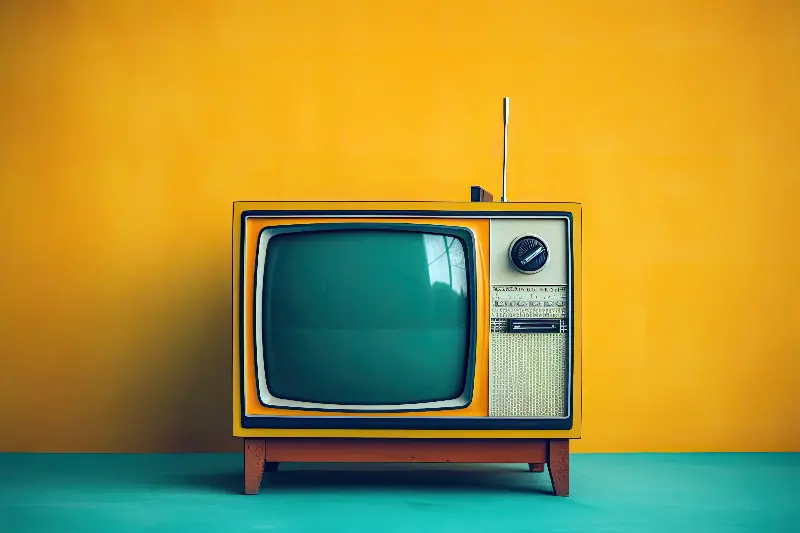
If film brought stories to theatres, television brought them to our living rooms. By the 1950s, TV sets became the heart of the home. Families tuned in for communal experiences, eagerly awaiting episodes of “Doctor Who” or “Coronation Street”. Soap operas, sitcoms, and dramas not only kept audiences entertained day after day but also reflected and shaped cultural norms, breaking social taboos and igniting national conversations.
Interestingly, the concept of “binge-watching”, now associated with streaming platforms, has roots in the humble TV marathon—a familiar treat during holidays and special events for decades.
The Digital Revolution: Interactive Narratives and Global Connectivity
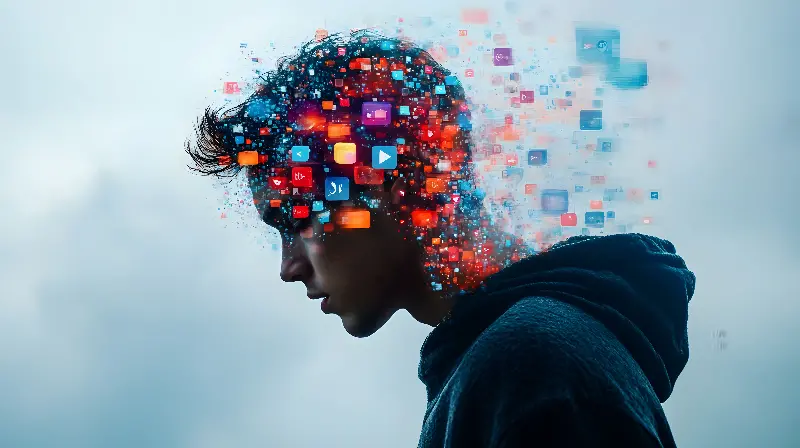
Nothing has changed storytelling quite like the digital revolution over the past three decades. The rise of the internet, mobile technology, and social media has forever altered how we share, discover, and engage with stories. Blogs gave everyone a platform to publish their own experiences, while online forums birthed fandoms with encyclopaedic knowledge of favourite characters and universes.
Social media apps like Instagram, TikTok, and Twitter (X) have redefined not only how stories are shared but who tells them. Anyone with a smartphone can now reach an audience of millions with a clever post, a heartfelt video diary, or a viral meme. Digital storytelling is also inherently interactive—fans don’t just watch or listen; they participate, collaborate, and remix stories in ways unimaginable even a generation ago.
Did you know that 80 percent of Generation Z prefer consuming stories via short-form video rather than traditional TV? And, according to research, interactive story games such as those on streaming platforms or in virtual reality are shaping the next phase of emotional engagement with content.

The Art of Adaptation: Stories That Transcend Media
One of the most extraordinary facts about modern storytelling is how adaptable stories have become. A single tale might begin as a book, inspire a film, spin off into a video game, and end up as a meme on social media. Think about franchises like Marvel or Harry Potter—multiplatform universes where fans can dive into comics, films, fan fiction, themed attractions, and even augmented reality experiences.
This cross-pollination of media means stories are no longer fixed—they’re living, evolving entities that grow with their audience. The rise of transmedia storytelling allows fans to explore different facets of a story’s universe in each medium, deepening their involvement and emotional connection.
Storytelling, at its heart, is about making us feel seen, understood, and connected. What’s exciting is that, despite all these changes, the magic at the core of storytelling endures. Whether whispered around a campfire or shared on a screen, stories will always be the bridge that links us to each other—and to our dreams, fears, and hopes—no matter what medium comes next.