


Food Inflation 2025: How Ordinary Shoppers Are Outsmarting Rising Prices Without Losing What Makes Meals Special

Have you noticed your grocery bill creeping higher even though your cart seems lighter than before? You’re not alone – food inflation in 2025 is rewriting shopping lists and stretching creativity worldwide. Yet, while sticker shock at the checkout has become the new normal, many resourceful shoppers are quietly fighting back, finding smart ways to keep beloved family recipes and cultural flavors alive. What are their secrets, and how can you join them?
A changing taste of “normal”
Imagine this: crisp winter mornings, the air rich with the aroma of freshly baked bread, but the bread in your hands is thinner, its price weightier. Or a backyard barbecue with friends, now featuring more colorful veggies and fewer steaks sizzling on the grill. Food inflation isn’t just a macroeconomic statistic; it’s reshaping quiet moments at home, traditions at the dinner table, and the simple comfort of everyday meals.
By the time you finish this article, you’ll know exactly what food inflation feels like in real life, and you’ll learn practical, proven strategies to protect your wallet and nourish your loved ones - all without sacrificing taste, health, or family favorites.
Why your meals cost more in 2025
Let’s unravel why your favorite foods have become more expensive. While global events, extreme weather, and supply chain snags still play a part, 2025’s food inflation is driven by a few key trends:
- rising costs for fertilizer, transport, and energy
- climate disruptions reducing crop yields
- higher demand for staples and protein-rich foods, especially in urbanizing countries
What does this mean for you?
- Basic staples like rice, wheat, and corn are 20-30% pricier compared to just three years ago.
- Fresh produce, especially imported fruits, can seem like a luxury.
- Meat, poultry, and eggs have shot up in price, leading many to rethink their weekly menus.
It’s easy to feel overwhelmed at the checkout line. But don’t underestimate the power of small, consistent changes.
Inside the shopping carts of inflation-savvy families
Who hasn’t paused in a grocery aisle, weighing a favorite ingredient in one hand and a store-brand option in the other? Shoppers in 2025 have fine-tuned the art of getting value – without letting supermarkets dictate their meals. Curious about their strategies?
Smart substitutions that don’t feel like sacrifice
The trick isn’t just buying less but buying differently. Picture this:
- Instead of imported berries, neighbors swap homegrown or local, in-season fruit in smoothies.
- Where beef once anchored spaghetti night, mushrooms or lentils now add a rich, satisfying bite.
- Basmati rice is replaced with nutritious, equally fragrant short-grain rice grown closer to home.
Key takeaway: Flavorful swaps can preserve the soul of your meals while slashing your spending.
Bulk buying - but with a twist
Gone are the days of blindly buying large packs. Inflation-savvy shoppers have learned to:
- Bulk buy pantry staples that are used daily (think oats, flour, beans)
- Split the cost with friends or family to avoid waste
- Invest in airtight containers to keep everything fresher, longer
Shopping smart is not about hoarding – it’s about matching your habits to changing prices.
The power of planning: Shopping lists as secret weapons
Imagine walking into a market not as a wandering browser but as a stealth strategist. Crafting a flexible weekly menu helps you seize deals on in-season produce or discounted protein, ensuring nothing goes to waste.
- Map out a handful of core dishes you can batch cook and remix throughout the week.
- Leave room for “wild cards” - discounted “ugly” veggies or surprise markdowns.
Planning ahead means more variety and less last-minute spending.
Cultural favorites stay creative, not costly
Perhaps the hardest adjustment in 2025’s food landscape is the fear of losing those special dishes - grandma’s Sunday stew, holiday tamales, birthday noodle soup. But with a dash of ingenuity, traditions can thrive.
Making nostalgia affordable
Consider these approaches:
- Swapping expensive meat cuts for slow-cooked, cheaper cuts, or blending with plant-based proteins.
- Using flavor-packed aromatics (garlic, onions, fresh herbs) to add complexity when pricier spices are out of reach.
- Celebrating “festival dishes” on special occasions, making them more meaningful.
Emotional highlight: “Inflation can’t price out joy or togetherness – sometimes, it even revives old traditions of sharing and resourcefulness.”
Flavor that won’t cost the earth - rediscovering the local
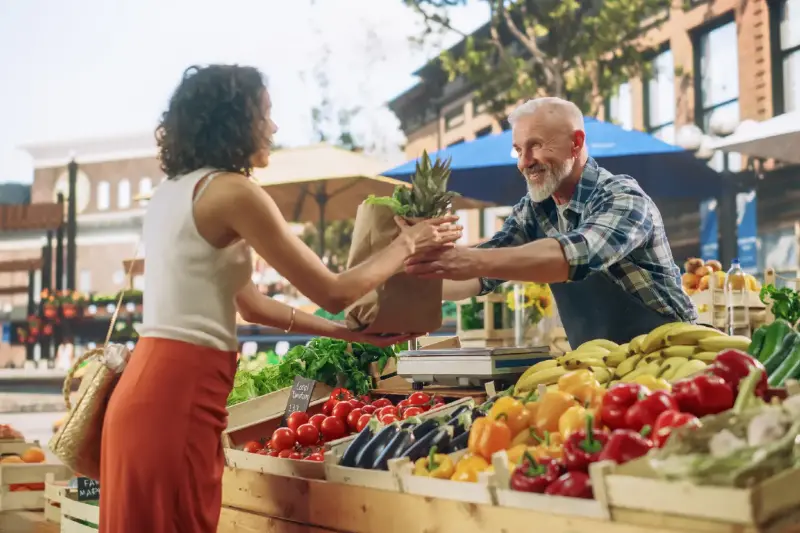
Nothing sparks the senses quite like crisp cucumbers fresh from the local farmers’ market or the earthy aroma of just-dug potatoes. Inflation is now inspiring a renaissance of local food movements. Here’s why joining in could be deliciously rewarding:
- Local produce is often cheaper and fresher, with a shorter supply chain.
- You’ll discover unique fruits and veggies you may have never tasted before.
- Supporting local farmers preserves community traditions and keeps food systems resilient.
It’s about seeing your region’s flavors as an adventure, not a limitation.
Batch cooking: Time and money in every bite
If food inflation has a silver lining, it’s this: batch cooking is trendier than ever, and for good reason.
- Make large pots of soup, stew, or curry that stretch proteins and use up less-than-perfect veggies
- Freeze portions to avoid takeout temptation on busy days
- Enjoy the “second-day flavor” - some dishes taste even better after the ingredients have mingled overnight
Tip: A well-stocked freezer is like a piggy bank for your future self.
Must-have tools for the inflation era home chef
- A sturdy slow cooker or pressure cooker: turns cheap cuts and beans into gourmet,
- Sharp chef’s knife: slices through prep time,
- Reusable produce bags and containers: for bulk buys and meal preps
Small investments pay dividends all year round.
Building community, one meal at a time
Inflation often breeds isolation and stress. But in kitchens around the world, home cooks are pushing back:
- Recipe swaps and meal prep clubs multiply savings and cut time spent alone in the kitchen
- Online groups share the latest deals or best substitutions found that week
- Community gardens and food co-ops make city living more manageable for all budgets
Sometimes, overcoming food inflation isn’t just about the food - it’s about sharing strategies, stories, and even a potluck.
A feast of resilience
As you cook, shop, and gather in 2025, remember: you’re part of a quiet, resilient movement redefining what abundance looks and tastes like. The scent of fresh bread, the sizzle of stir-fried greens, the laughter around your kitchen table – these can flourish even as prices climb.
Key insight: Inflation tests creativity, but it can’t dampen the flavor of determination or the satisfaction of a meal shared.
So, how will you rewrite your menu in this new era? Perhaps your next culinary adventure is closer, tastier, and richer with meaning than you ever imagined.