


Sea otters: ecosystem superheroes and nature’s playful foragers reshaping our coasts
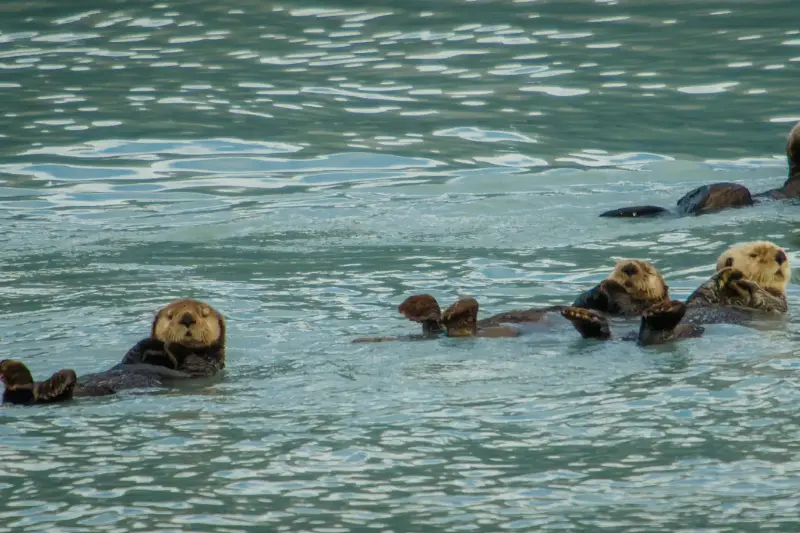
What if I told you that a single, whiskered animal, beloved for its endearing antics, is quietly responsible for defending forests under the ocean, supporting a thriving fishing industry, drawing tourists worldwide, and even fortifying our coastlines against climate change? Say hello to the sea otter - a furry keystone that, in the face of environmental challenges, is capturing the hearts and hopes of scientists, fishermen, and travelers alike.
Close your eyes and imagine paddling through a misty morning kelp forest. Sunbeams dance through the glassy water as a sea otter floats gracefully on its back, paws clutched around a sea urchin snack. In this hidden world, every movement matters. Researchers are uncovering a truth that is both astonishing and urgent - restoring and protecting sea otters doesn’t just save a cute species; it unlocks a powerful cascade of environmental and economic benefits.
By the end of this journey, you’ll discover how these remarkable mammals are transforming entire coastal systems, why communities are rallying to bring them back, and what their story can teach us about building a resilient future.
Guardians of the underwater forests
At first glance, sea otters might look like creatures from a children’s storybook, but don’t let their cuddly appearances fool you. Beneath that soft fur is a tenacious appetite that makes all the difference. Sea otters are voracious eaters, consuming up to 25 percent of their body weight daily, favoring sea urchins, crabs, clams, and shellfish. This particular taste turns them into nature’s master foragers - and the ultimate seaweed protectors.
Why does this matter? Imagine a forest underwater, formed by graceful ribbons of kelp stretching toward sunlight. These kelp forests aren’t just beautiful - they’re the green lungs of the ocean, soaking up carbon dioxide, generating oxygen, and sheltering hundreds of marine species. But there’s a catch. Hostile armies of sea urchins, if left unchecked, will devour kelp down to the barren seafloor. That’s where the sea otter comes in, maintaining balance in the ecosystem by curbing voracious urchin populations. Without otters, the lush undersea forests fade away, taking biodiversity and stability with them.
A boost for fisheries and coastal livelihoods
It’s a story that goes beyond ecology. When otters control shellfish and urchin levels, it sets off a ripple effect that fishermen and coastal economies can feel. More kelp means more habitat for commercially important fish species, which can supercharge local fisheries.
Consider the following:
- Robust kelp forests provide nursery grounds for young fish, supporting healthy populations of rockfish, halibut, and lingcod.
- Communities near otter-inhabited waters often see increased fish catches, greater biodiversity, and higher resilience to declines in individual species.
- A striking study from Alaska found that regions with returning otter populations saw a tenfold increase in kelp cover - a boon for both wildlife and the people who depend on it.
For shellfish industries, the relationship with otters can seem complicated. It’s true that otters love clams and crabs, but researchers point out that their presence actually helps stabilize shellfish populations over the long term by preventing explosive booms and devastating crashes.
Nature’s climate warriors: sea otters and the fight against warming
You might not expect a furry mammal to make headlines in climate science – but here, too, sea otters pull more than their weight. In recent years, experts have found that vibrant kelp forests, thanks in large part to otters’ foraging habits, can sequester huge amounts of carbon.
- Kelp absorbs carbon dioxide from the water during photosynthesis at rates comparable to tropical rainforests.
- Healthy, otter-managed kelp forests not only store more carbon but also trap it in the deep sea, slowing down the pace of climate change near our coasts.
- These carbon sinks help buffer ocean acidification, protecting shell-forming organisms that are the backbone of marine food webs.
Wildlife tourism: a local treasure and global magnet
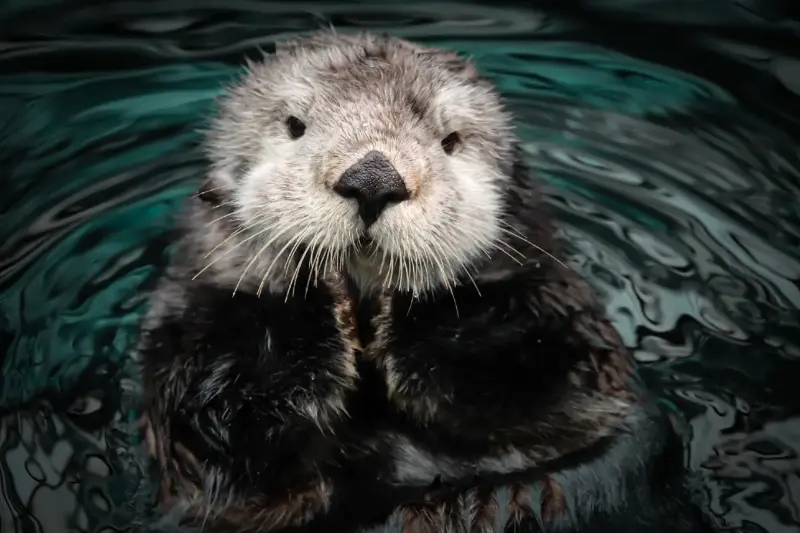
Let’s talk about the irresistible draw of sea otters. Ecotourists travel miles just to spot their somersaults and curious faces. For coastal towns, otters can transform local economies as visitors flock for kayaking tours, wildlife photography, and family adventures.
Here’s what sea otter tourism brings:
- Sustainable income - unlike extractive industries, wildlife watching gives communities long-term economic returns, encouraging protection of habitats.
- Cultural connection - otters are woven into Indigenous traditions and local identities, rejuvenating community pride and heritage.
- Education and inspiration - by mingling with these playful animals, adults and children alike become ocean stewards.
How communities, science, and policy are turning the tide
Success stories are already emerging up and down the Pacific coast. In places like British Columbia, Alaska, and California, Indigenous nations, scientists, and governments are joining forces to bring sea otters back and ensure their protection. Adaptive management balances otter recovery with shellfish harvesting and ecosystem monitoring.
Key strategies include:
- Creating and enforcing marine protected areas where otters and their prey can thrive undisturbed.
- Collaborating with fishers to develop sustainable harvests and diversify coastal livelihoods.
- Launching educational programs to deepen public appreciation for otters’ role as ecosystem engineers.
Takeaway: it all connects back to us
Here’s the bottom line: our future is entwined with the fate of the sea otter. The health of kelp forests, the vibrancy of our fisheries, the resilience of our coastlines against storms and warming seas - all of this is strengthened by the presence of this playful forager. When we fight for sea otters, we defend not just a charismatic species but a whole web of life that humans depend on.
Ready to join the otter alliance?
Next time you find yourself beside the ocean, look for ripples breaking the surface or a sleek shape rolling among the kelp. Behind every whiskered face is a living reminder that when humans “give back” to the wild, the returns echo along shores and generations.
What would it look like if we brought more “otter energy” into all our conservation choices, championing gentle but powerful change? The future of our coasts may depend on answering that question - and inviting these underwater superheroes to lead the way.
For more inspiration on wildlife conservation and coastal resilience, keep exploring our Animals category and discover the stories shaping our blue planet’s future.