


Asia’s wintry months are a living canvas, painted with snow-kissed landscapes, radiant lanterns, and soothing hot springs. For the culture lover, the diversity and depth of winter traditions across the continent create a tapestry rich in story, sensory delight, and ancient ritual. Ready to step into a dream? Let’s explore some of the region’s most enchanting cultural destinations that come alive when the temperature drops.
Snowy Spectacles: Where Winter Transforms the Land
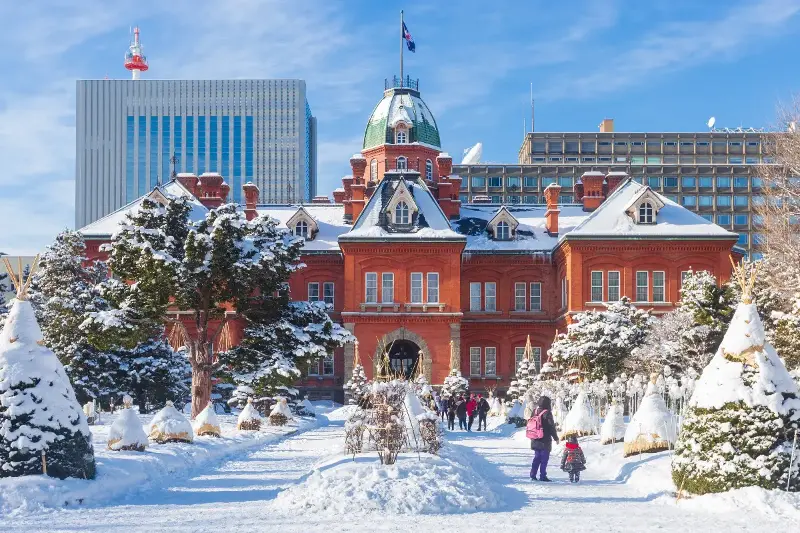
In Asia, snow is more than just weather—it’s a stage for incredible artistry and age-old traditions. Take, for example, the serene city of Sapporo in Japan, celebrated worldwide for its Sapporo Snow Festival. Giant snow and ice sculptures rival cathedrals, glowing under crystal-clear skies. The artistry here is fleeting—melting as soon as the festival ends—reminding us of the transient beauty of the season.
Head further west to China’s Harbin, where the Ice and Snow Festival crafts a luminous cityscape from blocks of ice hacked from the Songhua River. Stroll through castles and palaces lit in neon hues, imagining yourself in a frozen fairy tale. For many, it isn’t just the cold air that gives goosebumps—but the sheer awe at what human hands and community spirit can create when guided by winter’s chill.
Lanterns That Light Up the Night
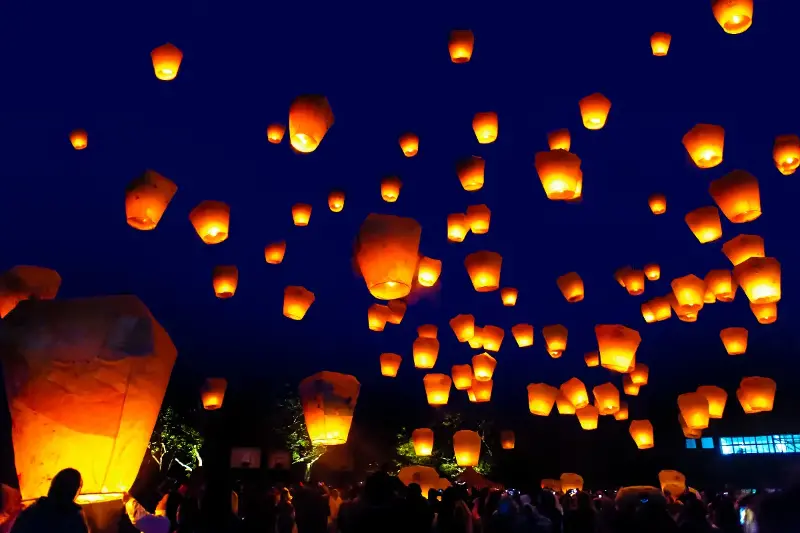
Winter in Asia glows with the warm, colourful magic of lantern festivals. Taiwan’s Pingxi Sky Lantern Festival is a sight that tugs at the heartstrings: thousands of lanterns float skyward, each carrying wishes for the year ahead. Locals and travellers huddle together, writing dreams onto paper and releasing them to dance over the town—a tradition rooted in centuries-old hope and unity.
Meanwhile, South Korea’s Andong Mask Dance Festival isn’t strictly a winter event but is often visited during the colder months. It showcases mask dances amid glowing lanterns, bringing warmth, laughter, and a sense of community to winter nights.
Curious facts about these festivals:
- Lantern materials have changed over time, balancing tradition with fire safety and eco-awareness.
- The lanterns often feature symbolic motifs, from dragons for good fortune to plum blossoms evoking perseverance.
Hot Springs: Soulful Sanctuaries Beneath the Snow
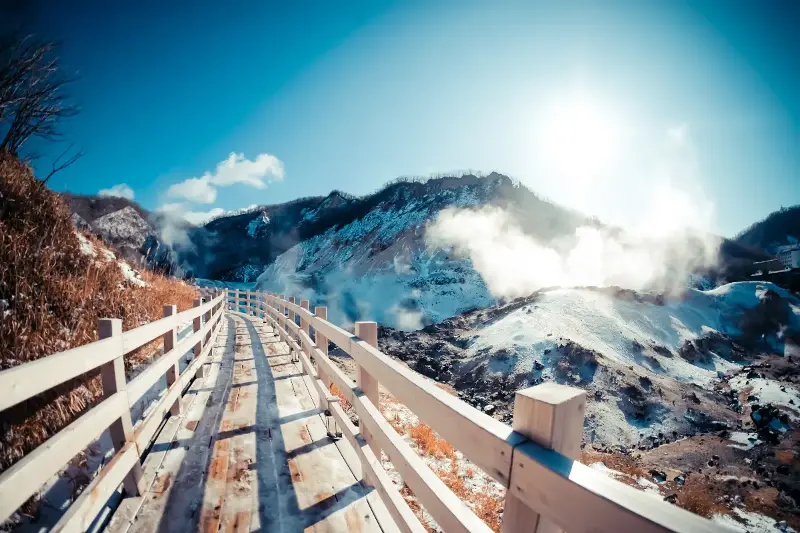
No winter cultural journey in Asia is complete without soaking in an onsen or hot spring. Imagine snowflakes tumbling against steam as you slip into mineral-rich waters—both a balm for tired muscles and a doorway into centuries-old rituals of wellness.
Japan’s onsen towns such as Noboribetsu and Kusatsu draw locals seeking both spiritual cleansing and camaraderie. In Taiwan, Beitou’s hot spring culture blends Japanese influence with local heritage, offering both public baths and tranquil private resorts. In South Korea, jjimjilbangs (traditional bathhouses) provide a steamy oasis from winter’s bite, complete with communal spaces where conversations flow as easily as the hot mineral water.
Hot springs across Asia share a reverence for nature—often surrounded by ancient trees, volcanic rock, or distant mountain vistas. Some must-try hot spring customs include:
- Meditative bathing in silence to cultivate inner stillness.
- Bathing under open skies at night, where the line between earth and stars seems to blur.
A Tapestry of Snow, Light, and Warmth
The rich winter culture of Asia shows us that the cold is not merely to be endured, but joyfully embraced. Whether you’re wandering through glowing lantern-lit streets, marveling at ephemeral snow artistry, or surrendering to the steamy embrace of a mountainside hot spring, each moment offers a window into the soul of a region deeply in love with the season’s gifts.
Which tradition would you immerse yourself in first? Perhaps Asia’s dreamy winter destinations hold a new ritual waiting just for you, inviting you to see, feel, and believe in the magic that thrives when the world turns cold.