


In the fast-changing world of today, finding balance between work, family, and personal dreams may seem almost mythical. The challenge is universal. From buzzing cities in the United States to serene villages in Japan, people everywhere search for the secret formula that keeps their professional life rich, their relationships close, and their deepest ambitions alive. The good news? Achieving this balance isn’t magic—it’s an art, shaped by culture, intention, and small daily habits. Let’s explore how people across the globe manage this delicate act and unearth inspiring lessons you can apply in your own life.

Redefining Success Around The World
Across continents, definitions of success are shifting. In Denmark, consistently ranked among the happiest countries in the world, work-life balance is not just encouraged—it’s part of the national ethos. The Danes have a word, “arbejdsglæde,” which means “happiness at work.” Workdays end early, leaving ample time for family dinners and hobbies. In stark contrast, the Japanese concept of “ikigai”—a reason for being—emphasizes the harmony between what you love, what you’re good at, what the world needs, and what you can be paid for. Instead of chasing only career milestones, individuals intertwine passion and duty, often leading to longer, happier careers.
The growing global movement is clear: balance is found by aligning daily tasks with long-term dreams. People are discovering it’s not about working less, but about making every moment count. Instead of measuring success solely by salary or job title, more cultures are valuing wellbeing, meaningful connections, and personal growth.
The Science Of Balance: What Research Reveals
Science backs up the importance of creating boundaries between work and personal life. Researchers at Harvard found that adults who actively nurture personal interests outside work are 31% more engaged and less likely to experience burnout. Meanwhile, the World Health Organization warns of the health risks associated with chronic overwork, including heart disease and impaired mental health.
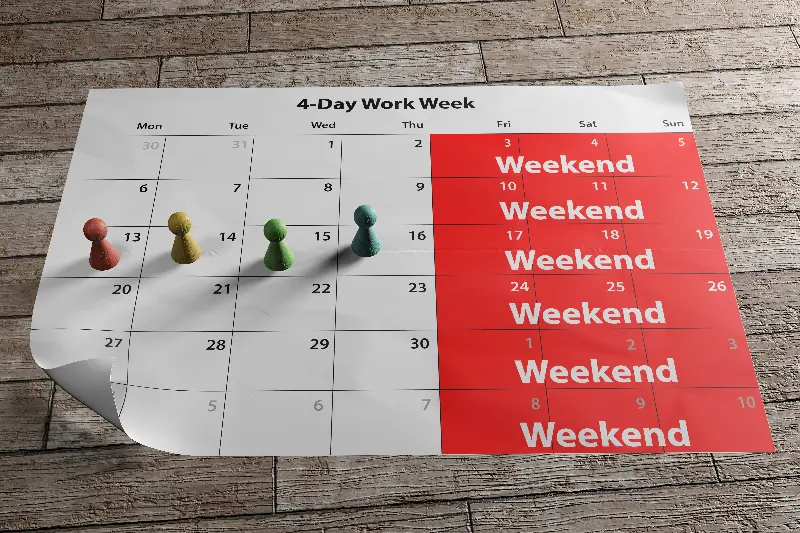
What does that look like in practice? In Sweden, the popular “fika” break—enjoying coffee and pastries with friends or colleagues—offers a ritualized pause from productivity, fueling creativity and connection. Similarly, companies in New Zealand have experimented with four-day workweeks, finding boosts in efficiency alongside happier, healthier workers.
The secret is not the ritual itself, but the intention behind it: regular pauses build resilience, allowing you to return to challenges with new energy. Science suggests that small, consistent efforts at balancing different areas of life can yield powerful long-term benefits.
Family First, But Not Family Only
While family is central for many, putting their needs above yours all the time can leave you drained and unfulfilled. Looking to Italy, strong family bonds are balanced by a zest for “la dolce vita” — savoring the sweet life through food, friendship, laughter, and self-expression. Italian families come together for long meals, but individuals are encouraged to pursue personal passions, whether that means learning to paint or traveling solo.
In India, joint families often blend shared responsibilities with support for individual dreams. It’s common for relatives to help each other with childcare or career advice, making it easier for everyone to pursue personal goals. The lesson is clear: balance doesn’t mean sacrificing your ambitions for your family, or vice versa. Instead, thriving means finding ways for your circle to boost, rather than block, your aspirations.
Personal Dreams: The Fuel For Fulfillment
Nurturing your own hopes isn’t selfish—it’s essential for holistic living. In the United States, the idea of the “side hustle” is embraced by millions. People chase entrepreneurial dreams after office hours, whether launching a small art business or training for a marathon. These pursuits offer identity and satisfaction beyond the job description or family title.
Research from the University of California highlights that pursuing personal interests even in small doses reduces stress and increases overall satisfaction. Many countries now emphasize life-long learning, with adult education and hobby clubs flourishing everywhere from Germany to South Korea. Personal growth is never finished, and the happiest people keep setting—and chasing—new goals, no matter their age or circumstance.

Simple Rituals That Change Everything
Global secrets to balance aren’t always grand—they’re often gentle, daily rituals. In Brazil, “cafecito” breaks are enjoyed between task after task, bringing colleagues together to share news, recharge, and return to work refreshed. In Canada, “nature therapy”—regular walks in forests or by the lakeside—is proven to reduce anxiety and boost creativity.
Experts recommend establishing screen-free hours at home, setting aside at least one night a week for a special family activity, or turning commutes into “me-time” with podcasts or favorite playlists. These small boundaries give your brain space to rest and refuel, making it easier to switch between roles with clarity and joy.
Adapting Global Wisdom For Your Journey
The ultimate secret to thriving in every role? Flexibility and self-compassion. Not every strategy fits every life. Try a few, adjust, and discover your own rhythm. Celebrate little wins: a shared laugh at dinner, a personal project completed, or a mindful walk at sunrise.
So wherever you find yourself—juggling spreadsheets, bedtime stories, or your bucket-list dreams—remember, balance is less about perfection than about progress. With inspiration from every corner of the globe, you can turn even the busiest life into one that is whole, happy, and uniquely yours.