


whether you’re commuting daily or planning a road trip, fuel costs can add up quickly. the good news is, you don’t need fancy gadgets or a new hybrid to make a noticeable difference in your car’s mileage. with just a few tweaks and mindful habits, you can boost your fuel efficiency—sometimes by as much as 20 percent. here are easy, science-backed tricks to help you get more miles for your money, starting today.
tire pressure: the secret to smoother rides
it’s easy to overlook tire care, but your tires are your car’s only connection to the road. when your tires are even a few psi below the recommended level, they create more rolling resistance. this causes your engine to work harder and burn more fuel. experts suggest checking your tire pressure at least once a month—especially as temperatures shift, since pressure drops in colder weather.
keeping tires inflated to the manufacturer’s recommended psi (you can usually find this on a sticker inside the driver’s door) could improve gas mileage by up to three percent. don’t forget about the spare, too, if your car has one—because needing it could mean an extra trip to the gas station if it’s flat.
lighten up your load
it may be tempting to use your trunk as storage for sports gear, tools, or other “just in case” items, but excess weight is the enemy of efficiency. for every 100 pounds you haul around, your fuel economy can drop by up to two percent. this is especially true for smaller vehicles, which are more sensitive to changes in weight. give your trunk a regular clean-out and only carry what you really need.
ditch the roof rack (when you’re not using it)
roof racks, cargo boxes, and bike racks are perfect for vacation—but when left on all the time, they can cut fuel efficiency by as much as 10 to 25 percent at highway speeds. these accessories create extra aerodynamic drag, forcing your engine to consume more power and fuel. remove them when you’re not using them to keep your car zipping more efficiently through the air.
smooth out your driving style
abrupt stops, jackrabbit starts, and speeding may satisfy your inner adrenaline junkie but they’re rough on your wallet. aggressive driving can lower your gas mileage by up to 40 percent in stop-and-go traffic and about 15 to 30 percent at highway speeds. try easing into starts, coasting to stops, and maintaining a steady pace using cruise control whenever possible. smooth, consistent driving not only improves mileage but also extends the life of your brakes and tires.
avoid excessive idling
contrary to popular belief, today’s engines do not require warm-up time, even in cold weather. idling for long periods can consume a quarter to a half gallon of fuel per hour. if you expect to be stationary for more than 60 seconds, it’s usually better to turn the engine off (exceptions apply in traffic, of course). modern starters and batteries are built to handle frequent starts, so don’t be afraid to shut down at prolonged lights or train crossings.
air conditioning: use it wisely
running the ac can increase your fuel consumption by up to 10 percent. on hot days, try ventilating the car first before switching on the ac. at lower speeds, opening the windows may be a more fuel-efficient way to cool off, but at highway speeds, open windows can increase drag—so it’s better to opt for air conditioning then. for extra efficiency, consider using the car’s “recirculation” mode rather than bringing in outside air.
maintenance matters
a well-tuned engine is a fuel-sipping engine. sticking to your manufacturer’s maintenance schedule—such as regular oil changes, replacing air filters, and keeping spark plugs in good shape—can improve your mpg. according to the u.s. department of energy, replacing a clogged air filter can boost mileage by as much as 10 percent in some older cars, while new cars may see improved performance and power.
another crucial step: don’t ignore the “check engine” light. a faulty oxygen sensor, for example, could reduce mileage by up to 40 percent—so prompt attention to warning lights isn’t just about reliability, but about fuel savings too.
watch your speed
speeding isn’t just riskier in terms of safety—it’s also less efficient. most vehicles reach peak efficiency between 50 and 60 mph. for every 5 mph driven above 50 mph, you can expect to pay roughly an extra $0.24 per gallon, according to fuel economy.gov. slowing down just a little can save you money and reduce wear on your car.
choose the right fuel
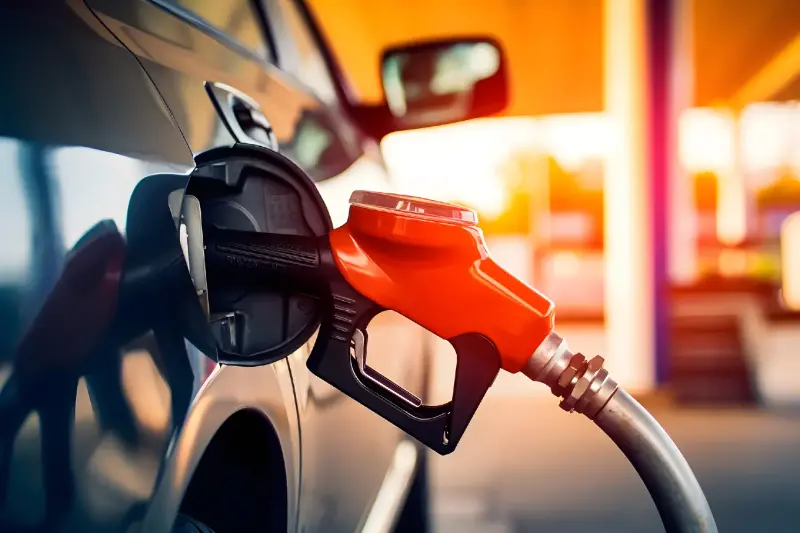
using premium gas when your car only asks for regular won’t improve performance or mileage. always use the type of fuel recommended in your owner’s manual. using higher-octane fuel unnecessarily only increases your refueling costs and provides zero benefit to most engines.
plan smarter routes
sitting in stop-and-go traffic wastes fuel, so if you can, use navigation apps like waze or google maps to plan routes with less congestion, smoother traffic flows, or fewer traffic signals. combining errands into one trip, instead of taking several short trips with cold starts, also helps, as engines are far more efficient once they’re properly warmed up.
turn off unnecessary gadgets
extras like heated seats, window defrosters, and rear entertainment systems pull power from your vehicle’s alternator, making the engine work harder and burn more fuel. use these features sparingly, especially if you’re trying to maximize every drop of gas.
final thoughts
improving your fuel efficiency doesn’t require drastic changes or expensive equipment—just a little more attention to detail and a few new habits can make a real difference at the pump. not only will these easy tricks help you save money, but they’ll also extend the life of your vehicle and cut down on emissions. so the next time you hit the road, remember: a smoother, lighter, well-maintained ride is the key to getting the most out of every gallon. happy driving!