


Why Peacocks’ Dazzling Feathers Are Nature’s Ultimate Love Language
Have you ever wondered why peacocks flaunt those hypnotic, iridescent tails, shimmering like a living rainbow at sunrise? It’s not just about looking magnificent - there’s a captivating secret to their splendor that goes far deeper than simple self-admiration.
Step into the warm, golden haze of an Indian forest at dusk. The air stirs with anticipation. Amid the thrum of cicadas, a flash of blue and green shimmers through the undergrowth. You’re about to discover how one of nature’s most flamboyant displays has evolved into a breathtaking advertisement for love, life, and survival.
Read on, and voi’ll unravel the mystery of how peacocks use their colorful feathers to attract mates - and why their spectacular show is one of the animal kingdom’s most fascinating social rituals.
The Secret Behind the Peacock’s Showstopper Tail
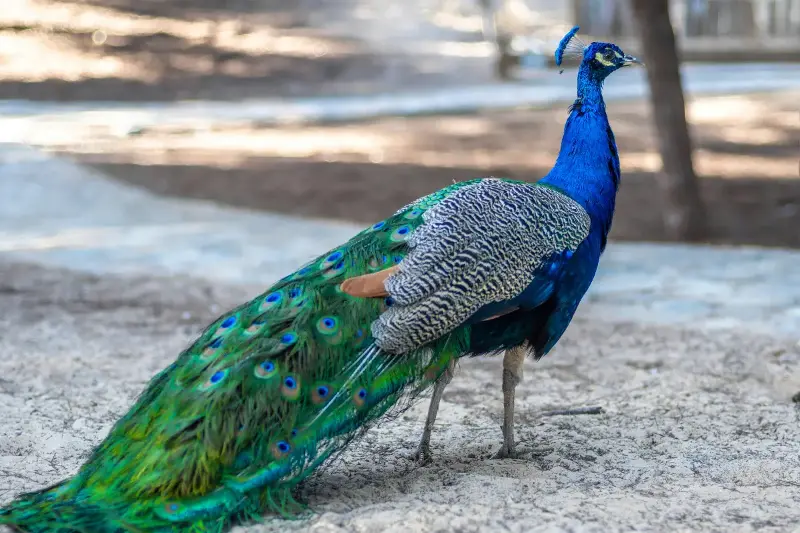
Let’s start with the obvious: male peacocks are equipped with one of the most stunning visual displays in the animal world. Their tail, correctly called a “train,” can reach up to 6 feet, boasting bold eye-shaped patterns that glitter in shifting sunlight. Female peafowls, meanwhile, look comparatively understated in their earthy tones.
But those iconic tail feathers serve a single, vital purpose: attracting a mate. Far from being mere decoration, each feather is an intricate billboard of genetic fitness, designed to catch the eye and heart of a potential partner.
Dancing for Attention: How the Courtship Ritual Unfolds
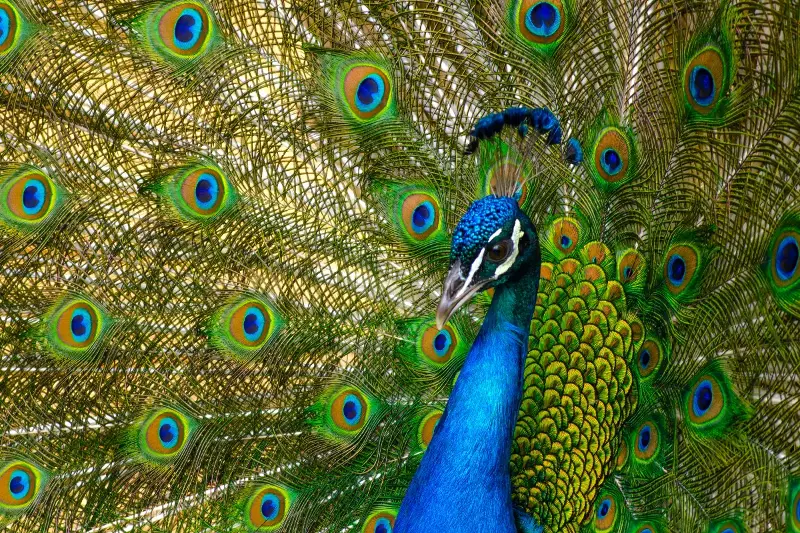
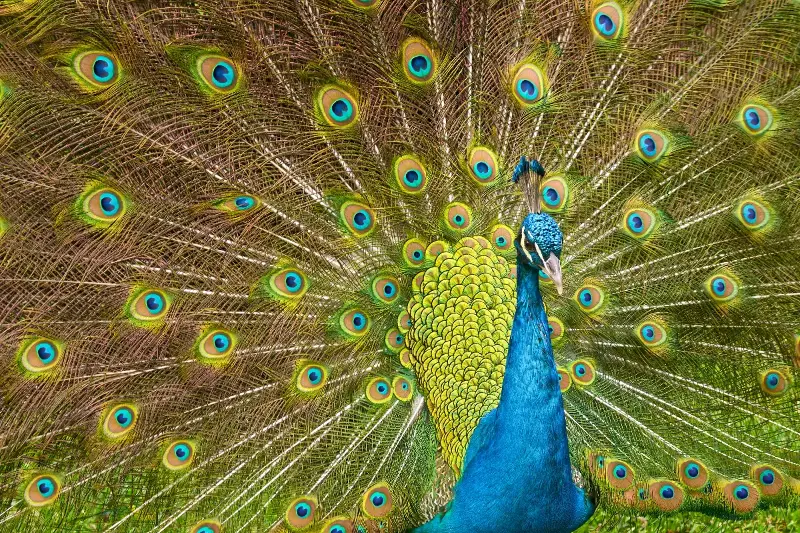
When mating season arrives, the male peacock transforms into a performer. Picture him: back arched, tail fanned out in a breathtaking semicircle, shimmering blues and greens vibrating with every calculated movement.
Here’s what makes this display utterly mesmerizing:
- Vivid, shifting colors: The microscopic structure of each feather reflects light, producing a spectrum that seems to radiate from within. The colors shift and dance with every tiny movement.
- Signature “eyes”: Each feather features an "eye" spot, circular and hypnotic, said to captivate female attention with almost hypnotic force.
- Rhythmic dance: The male vibrates his tail, creating a low-frequency rustle - a subtle sound that only nearby females can truly appreciate.
- Statuesque posture: Upright and unwavering, the peacock’s entire body becomes a canvas, showcasing power, poise, and stamina.
In essence, the peacock’s display is a carefully orchestrated ballet. The goal? To prove he’s the most fit, attractive, and genetically robust partner around.
Why Size (and Symmetry) Matter to the Peahen
Now here comes the twist: female peafowls, or peahens, are surprisingly picky. It’s not just about color, but also about pattern, arrangement, and movement.
Research shows that peahens prefer males with:
- More “eyes” on their tails: The greater the number, the better.
- Perfect symmetry: Tails with evenly spaced, symmetrical eyes suggest healthy development and strong genes.
- Vigorous, smooth dancing: A clumsy dance can immediately reduce a male’s chances.
Key insight: A showy tail is a double-edged sword. While it wins female attention, it also makes escape from predators more difficult. Only the healthiest, strongest males can afford to maintain such an extravagant display - making the spectacle itself a living testament to survival.
Colorful Costumes, Evolutionary Drama
Why have peacocks evolved such mesmerizing plumage, despite the risks? This is nature’s version of high-stakes theater:
- Sexual selection: The peacock’s tail is a classic case of sexual selection - a trait that has evolved because it offers an advantage in finding a mate, even if it comes at a cost elsewhere.
- Honest signaling: The extravagance of the feathers signals good health. Only a male free from parasites and illness can grow and carry such a cumbersome train.
- Genetic jackpot: By choosing the most dazzling partner, peahens increase the odds that their chicks will inherit strong traits, ensuring generations of vivid beauty.
What Can Voi Learn from a Peacock’s Pride?
If you ever find yourself watching a peacock’s courtship dance, let yourself be swept up in the spectacle: the glint of sunlight on metallic blues, the teasing rustle of fanned feathers, the peacock’s steady, unwavering gaze.
- Beauty isn’t always superficial: In peacocks, it’s both a sign of survival and a tool for connection.
- Attraction often comes down to confidence and effort: The boldness of the display matters as much as its beauty.
A Final Glimmer: The Universal Story of Attraction
Next time you see a flash of peacock blue in a garden or on screen, remember - you’re witnessing not just beauty, but an age-old dance. It’s a reminder that all creatures, great and small, have their own dazzling languages of love.
What might voi’s own plumage be, in the world of human courtship and self-expression? Perhaps beauty, courage, and authenticity are as captivating in our world as in theirs - shimmering signals of the stories we wish to tell, and the hearts we hope to win.
Curious to see this natural wonder for yourself? Keep your senses tuned - nature’s most enchanting performances often unfold just beyond the next green bush, waiting for an audience as attentive as you.