



From cobblestone streets echoing with ancient footsteps to invisible signals powering our daily scrolls, some inventions shape our world so profoundly, we almost forget their origins. As millions bustle through global metropolises, rarely do they pause to marvel: the ingenuity that built these cities still pulses at their core, bridging history, law, and even that glorious feeling of personal comfort. Let’s unravel the silent legacy behind the things we now consider modern essentials.
Stone, Tar & The Rule of Law: Roads that Changed Everything

Long before GPS guided taxis and electric cars zipped down highways, the ancient Romans laid down cobbled roads that stitched together a fledgling empire. Their recipe? Layers of sand, gravel, and stone, engineered to last centuries. What’s astonishing is not just the scale, but that these very roads became the blueprint for trade, travel, and even legal systems across continents.
- Early road networks in Mesopotamia and Rome were so meticulously planned that some routes still serve as national roads today.
- Roman law dictated strict maintenance of public roads, foreshadowing today’s infrastructure policies.
These early innovations not only enabled armies and traders; they unified standards for roads, weights, and measures—planting the seeds for international law and commerce.
Water on Tap: Sanitation and the Birth of City Comfort

Imagine bustling cities without piping or sewers! Roman aqueducts and Ottoman fountains weren’t just architectural marvels—they were public health revolutions. By channelling clean water and removing waste, these systems slashed disease and improved daily comfort dramatically.
- Ancient aqueducts, some still in use, could transport water over tens of kilometres—all powered by gravity and genius design.
- Public baths and washhouses became social hubs, shaping urban culture as much as hygiene.
The concept of “water as a public right” remains deeply embedded in modern legal frameworks. Municipal plumbing is, in many ways, democracy made practical.
The Unsung Revolution: From Illuminated Nights to Virtual Connectivity
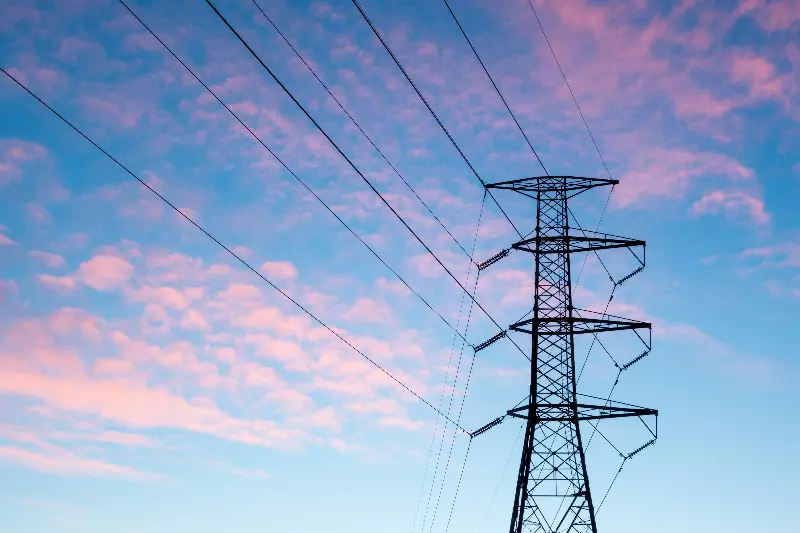
Struggling to study by candlelight is history thanks to a humble 19th-century invention: the light bulb. But that leap was about more than just banishing the dark—cities could finally stay awake, productive, and safe after sunset.
Electricity ushered in a cascade of innovations:
- Street lighting reduced crime and extended the hours of commerce.
- Electrified trams and lifts allowed cities to grow outwards and upwards.
- Home comforts exploded—think kettles, radios, and fridges, reshaping domestic life for good.
Yet, perhaps the quietest, fastest revolution has come in recent decades: wireless internet. What started as government-backed ARPANET is now ubiquitous Wi‑Fi, the “invisible glue” knitting together education, business, and even family chats across oceans.
- Today’s smart cities track energy, traffic, and public safety using networks built on these early innovations.
- Wi‑Fi is now legislated as a basic utility in many countries—just like water and bread once were.
When the Old Shapes the New: An Ongoing Story
It’s easy to overlook these gifts of invention—roads, plumbing, light, and digital signals—until we imagine a world without them. Each continues to influence law-making, fuel public health, and nurture daily well-being, often in ways their creators never dreamed possible.
So next time you tap a map app, turn on the shower, or video call across continents, consider the centuries-old ingenuity winding beneath your fingertips. How might tomorrow’s essential invention already be quietly shaping the cities—and comforts—of our collective future?