


Across Asia, traditional dresses are more than mere garments; they are vibrant threads weaving stories of history, artistry, and individual identity. Whether it’s the shimmering drapes of an Indian saree or the subtle elegance of a Japanese kimono, these ensembles speak volumes about the cultures they emerge from.
Colour, Craft, and Cultural Codes
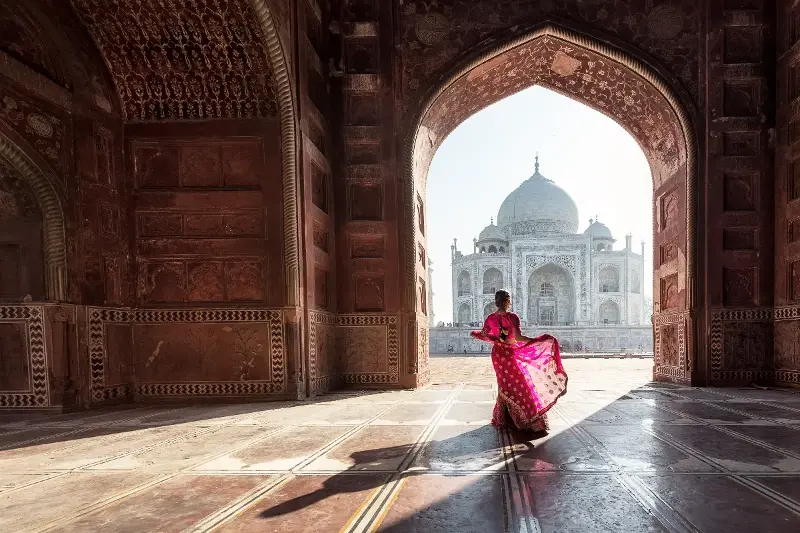
The Indian saree, with its six to nine yards of fabric, is an age-old symbol of Indian femininity and versatility. Each region boasts its own weave and philosophy—think the intricate gold of a Kanjivaram from Tamil Nadu, the whisper-light chiffon of a Banarasi from Uttar Pradesh, or the brightly patterned Bandhani from Gujarat. But the saree is not just about tradition; it has inspired a modern style movement, worn with sneakers or statement jackets, proving its timeless appeal.
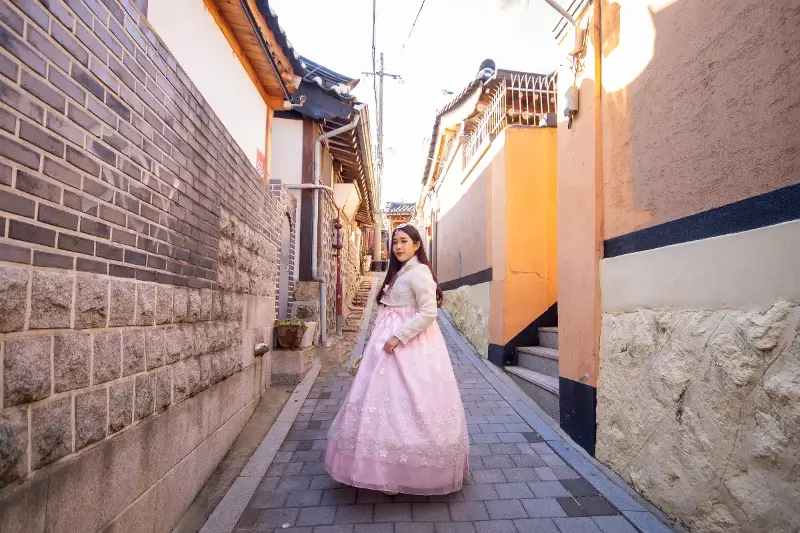
Crossing over to the swirling hanbok of Korea, we find another dress steeped in meaning. With its high-waisted skirts (chima) and short jackets (jeogori), the hanbok’s pastel colours and bold lines were designed to flatter any figure and celebrate confucian values of modesty and elegance. Even today, many Koreans don hanbok for special occasions, honouring age-old customs while embracing bold, new patterns and modern adaptations.
Unwrapping the Japanese Kimono Mystique
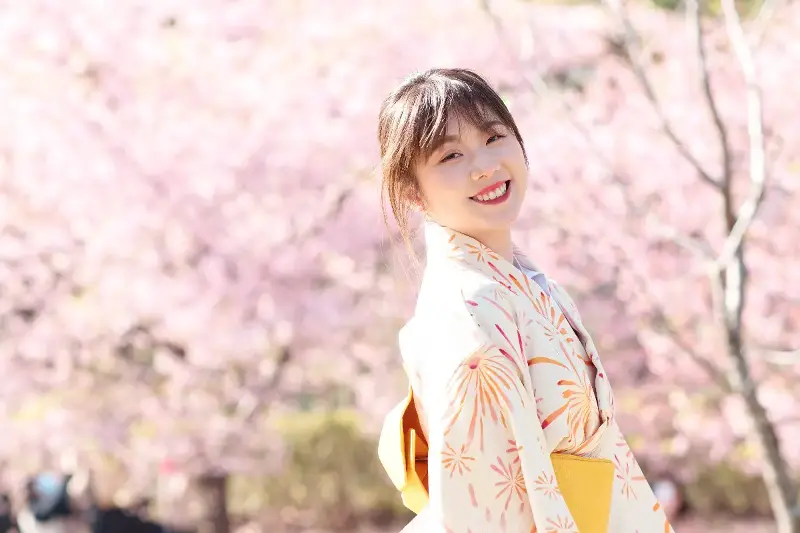
Few garments are as instantly recognisable as the Japanese kimono. These T-shaped, wrapped robes conjure images of tranquil tea ceremonies and the luminous beauty of geishas. In Japan, kimonos are coded with meaning—colours, fabric, even sleeve length signal the wearer’s age, marital status, and the season.
Fascinating fact: the word ‘kimono’ literally means ‘thing to wear’, but its significance is anything but simple. Today, it lives on in wedding rituals, festivals, and high fashion, with contemporary designers reinventing classic motifs for a global audience.
For men, the kimono and its shorter, rugged cousin, the yukata, represent a bridge between traditional refinement and modern practicality. It’s a reminder that grace and dignity are not reserved for women alone in the Asian sartorial tradition.
Threads That Bind: Southeast Asia’s Textile Treasures
Venture into the heart of Southeast Asia and you’ll encounter an array of dazzling textiles. The Filipino barong tagalog, a sheer, embroidered shirt, exudes stately charm for both men and women. Thailand’s sinh and sampot wrap-around skirts burst with intricate patterns that narrate stories of flora, fauna, and daily life.
- The Indonesian kebaya, a fitted blouse often paired with batik skirts, has evolved from royal courts to everyday streetwear, symbolising Courage, modernity, and enduring heritage.
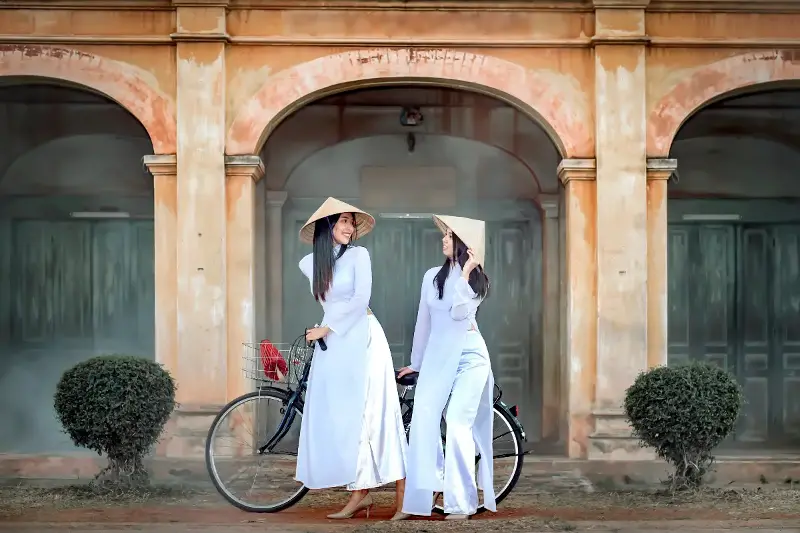
- In Vietnam, the áo dài slims and elongates the form, its silk panels floating like poetry in motion, a classic look now embraced on catwalks worldwide.
Asian Attire on the World Stage
These traditional dresses are not museum relics—they pulse through the fabric of global fashion today. International runways and red carpets have seen Bollywood stars in sarees, Western celebrities dazzled by kimono-inspired gowns, and influencers mixing Asian silhouettes into everyday street style.
More designers are collaborating across continents, stitching together East and West in boundary-breaking collections. Meanwhile, social media has enabled younger generations to reclaim, remix, and showcase heritage wear with a fresh, personal twist.
Each fold, dye, and embellishment tells a tale of adaptability—of how cultural icons can remain relevant, reinvented with each new era. Will today’s youth continue to honour these ancient silhouettes, blending the ancestral with the avant-garde? Perhaps the answer lies not just in what we wear, but in how we cherish the histories woven within. Whether you’re wrapping a saree, tying a kimono, or donning a hanbok, remember: you’re not just putting on a dress—you’re becoming part of an ever-evolving legacy, one that continues to inspire, innovate, and unite across time and continents.