
 KaiK.ai
Unlock Peak Performance: What To Eat Before, During, And After Your Workout For Results
Fueling your body the right way before, during, and after exercise can make all the difference in your fitness journey. Whether you’re a weekend warrior or a seasoned athlete, understanding how nutrition affects your performance—and your recovery—helps you achieve your best results every session. Let’s dive into the science and the practical tips to unlock your own peak performance.
The Power Of Pre-Workout Nutrition
The meal or snack you have before you work out acts as the launchpad for your energy, focus, and endurance. Timing and composition are both important, and the right choices depend on your goals, intensity, and how your body feels.
For most people, eating a balanced meal 2 to 4 hours before exercise is ideal. This meal should include complex carbohydrates, lean protein, and a small amount of healthy fat. Carbohydrates are especially vital because they provide glycogen—your muscles’ main energy source. Without enough, you might feel sluggish and burn out more quickly.
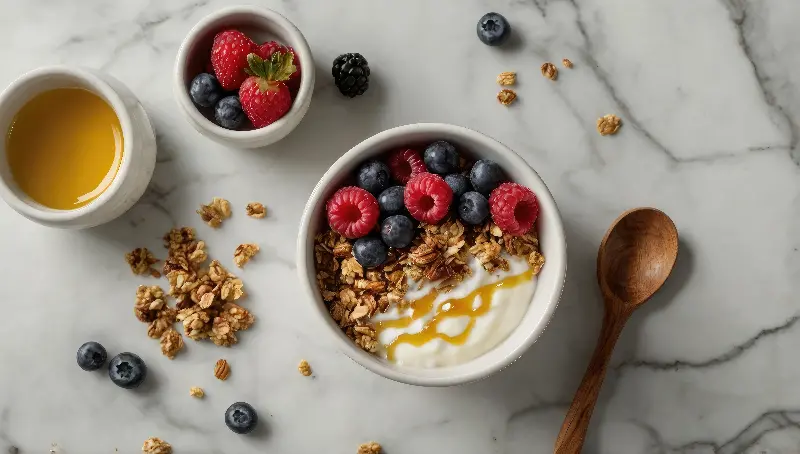
Try something like a bowl of oatmeal topped with banana slices and a scoop of Greek yogurt, or a chicken and brown rice bowl with veggies. If you’re short on time, a banana with a tablespoon of nut butter about 30 to 60 minutes before exercise is an excellent quick fix. This combo provides fast and lasting energy without weighing you down.
Avoid very high-fat or high-fiber foods right before a workout, as these can slow digestion and cause discomfort. The goal is to feel energized—not overly full.
Smart Choices During Your Workout
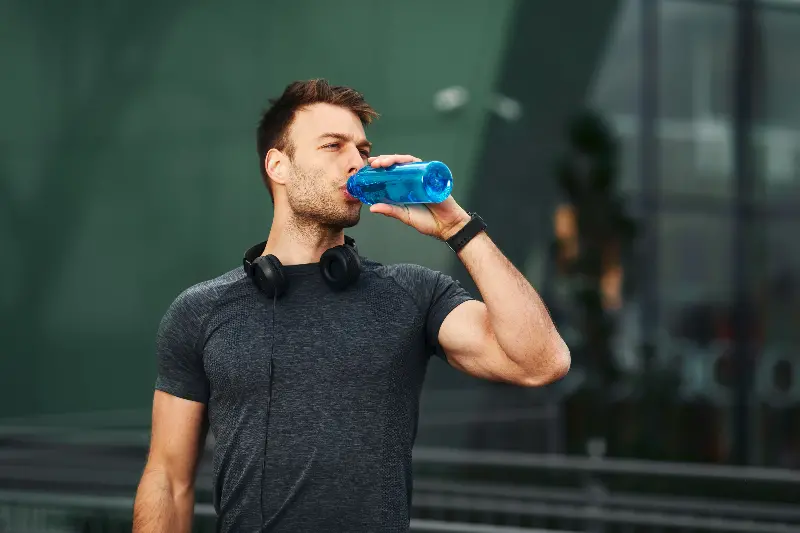
For most workouts under 60 minutes, especially if they’re low to moderate in intensity, water is all you need. Staying hydrated keeps your heart and muscles working efficiently, aids in body temperature control, and helps prevent cramps.
But when you’re engaging in very intense or long-duration exercise—think over an hour of running, cycling, or high-intensity intervals—it can be helpful to provide your body with some extra fuel. Easily digestible carbohydrates, like those found in sports drinks, gels, or even a banana, can help maintain your blood sugar and power you through to the finish. Aim for 30 to 60 grams of carbohydrate per hour if the exercise lasts longer than an hour.
Electrolytes, like sodium and potassium, may also need replenishing if you sweat heavily or the weather is hot and humid. Coconut water, sports drinks, or even homemade “hydration” drinks with a pinch of salt and a splash of juice can do the trick. Remember, everyone’s sweat rate is different, so listen to your body and experiment to find what suits you best.
Optimal Post-Workout Recovery Nutrition
After you’ve pushed your limits, your body craves nutrients to rebuild muscle, replenish glycogen, and kickstart recovery. This is where post-workout nutrition shines. The goal is to eat within an hour of finishing your session, but don’t stress if it’s not exactly on the dot—the key is to refuel, especially if you’ll be training again soon.
A balanced meal or snack with both protein and carbohydrates is your best bet. Protein, like that found in eggs, lean meat, tofu, or protein shakes, provides essential amino acids to repair muscle fibers. Carbs help restore the energy reserves you just used up. Studies often recommend roughly 20-30 grams of protein and double to triple that in carbohydrates after moderate to intense workouts.
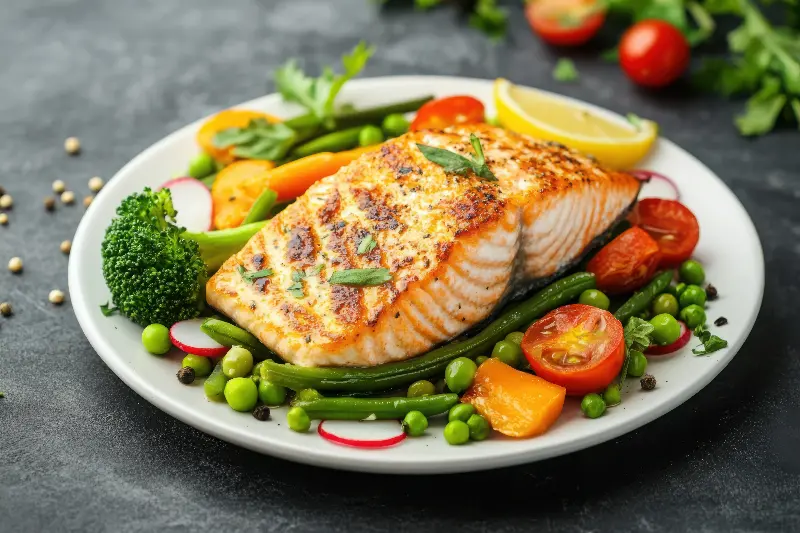
Ideas for recovery meals include a turkey and veggie sandwich on whole-wheat bread, a smoothie with berries, protein powder, and oats, or grilled salmon with sweet potato and green beans. If you can’t sit for a full meal, even a chocolate milk or a yogurt parfait will help kickstart recovery.
Don’t forget about fluids. Rehydrating is critical, especially if you’ve been sweating. To get an idea, try weighing yourself before and after a workout; for every pound lost, drink about 16-24 ounces of water.
Pro Tips For Staying On Track
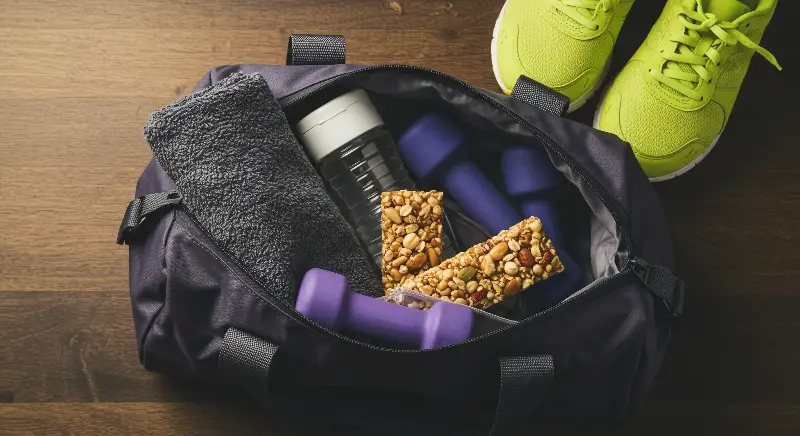
Preparation is key to making healthy choices easy. Pack snacks in your gym bag, plan your meals ahead, and keep a water bottle handy. Everyone’s body is different, so take note of how you feel after trying different pre-workout snacks or post-workout meals—and adjust accordingly.
Some people experience “stomach sloshing” or cramps with certain foods or liquids, so use your training days to figure out what works for you, rather than waiting until a big race or intense workout.
It’s also worth knowing that certain supplements, like caffeine or BCAAs (branched-chain amino acids), may offer benefits in specific circumstances. Caffeine, for example, can improve focus and endurance when consumed pre-workout, but it’s not for everyone and should be used thoughtfully without overdoing it.
Listen To Your Body And Enjoy The Process
Your nutrition isn’t just about rules—it’s about learning to listen to your body’s needs and respecting what helps you feel, perform, and recover your best. Experiment, stay curious, and remember that food is your ally in fitness. By eating intentionally before, during, and after your workouts, you can unlock peak performance, recover faster, and make the most of every sweat session—no matter your fitness level.