


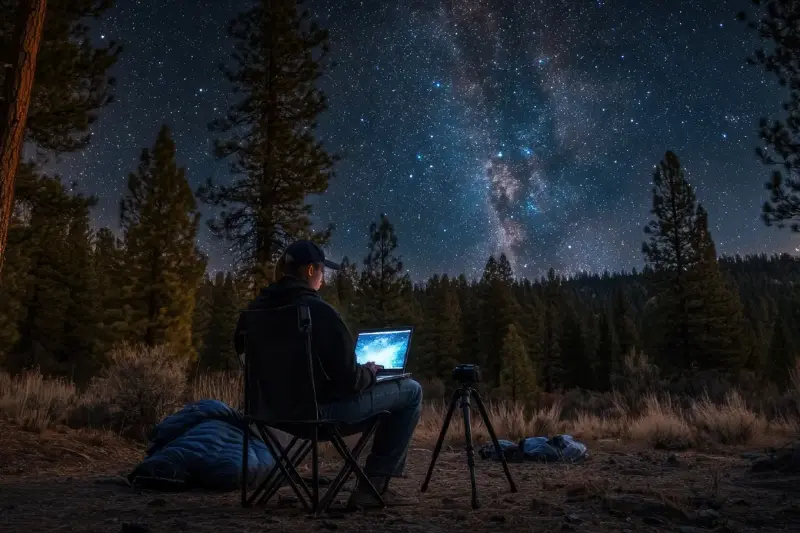
turn 2025 meteor showers into an unforgettable trip: your guide to cosmic spectacle
whether you’re a space enthusiast, a seeker of new adventures, or just looking for a unique way to reconnect with nature, the night sky offers a show like no other. in 2025, several dazzling meteor showers will grace the universe above us, creating the perfect excuse to pack up and set out on an out-of-the-ordinary trip. planning a stargazing adventure around these meteor showers can give you memories that burn just as bright as the meteors themselves. here’s how to make your 2025 meteor shower trip truly unforgettable.
the big players: which meteor showers to catch in 2025
the brilliance of meteor showers lies in their predictability. the dates for major showers rarely shift, and in 2025, a few stand out:
- the lyrids: peaking around april 22, these meteors, visible from most of the united states, typically produce up to 20 visible meteors per hour under ideal conditions.
- the perseids: one of the year’s most beloved showers, peaking on august 12-13. with up to 60-100 meteors per hour, the perseids are famous for their bright, fast streaks.
- the orionids: active in october, these remnants from halley’s comet reach their best on the night of october 21.
- the leonids: peaking on the night of november 17, with potential for outbursts, though a typical year sees around 15 meteors per hour, sometimes including earth-grazers with long, dramatic paths.
- the geminids: peaking on december 13-14, the geminids are the most bountiful, with up to 120 multi-colored meteors per hour. they’re active even during temperatures that call for hot chocolate.
what makes 2025 special? this year, the lunar phases align favorably for several showers—particularly for the perseids and geminids—giving you dark skies and ideal viewing conditions. be sure to check moonrise and set times as you plan your trip.
finding the perfect spot: why location is everything
a great meteor shower isn’t just about looking up—you need the right place to watch. city lights can drown out the faintest meteors, so the most unforgettable experiences happen far from urban glow. here are a few ideas to spark your imagination:
- national parks: spots like joshua tree, big bend, acadia, and great basin are certified dark sky parks, offering stunning backdrops and clear horizons.
- deserts: the nomadic silence of arizona’s sonoran desert or california’s death valley deliver uninterrupted horizons for all-night viewing.
- mountains: higher elevation means thinner atmosphere and, typically, less atmospheric water vapor. the rocky mountains or the adirondacks turn into celestial theaters when meteor showers arrive.
- lakesides: find a secluded lake, bring a blanket, and let the waters mirror the sky’s fireworks for a symphony of light above and below.
if traveling isn’t possible, check for local astronomy clubs hosting events or find local dark sky preserves using resources like the international dark-sky association.
unforgettable moments need preparation
with cosmic wonders above, a little planning can turn your getaway from average to amazing. here’s what to think about before you go:
- check the weather forecast: cloudless skies are a must.
- learn the shower’s radiant: this is the point in the sky the meteors seem to originate from. looking slightly away from the radiant often gives you longer, more visible streaks.
- arrive early: let your eyes adjust to the dark for at least 20 minutes—no phone screens!
- bring the right gear: pack blankets, reclining lawn chairs, warm layers, hot drinks, snacks, and if needed, binoculars (though the naked eye is best). a red flashlight helps preserve your night vision.
- create a playlist: nothing elevates a night under the stars like your favorite tunes quietly playing in the background.
for families and friends, pack a constellation guide and make it interactive—turn the evening into a competition to spot meteors first, or trace constellations between streaks of light. sharing stories around a campfire as you wait for peaks is another timeless way to connect under the celestial dome.
nights with nature: respecting the dark
an essential part of making your trip unforgettable is leaving no trace. dim your lights, pick up your trash, and avoid disturbing wildlife. remember, meteor showers connect us with the ancient universe and with future generations. respecting your surroundings honors both.
unique touches for the best night ever
for the adventurous, consider enhancing your stargazing with a few extra ideas:
- night photography: long exposures with dslr or mirrorless cameras can catch meteors and the milky way. turn it into a friendly competition for the best shot.
- themed picnics: prepare out-of-this-world snacks like “meteorite” cookies or “rocket fuel” hot cocoa.
- journaling or sketching: capture your impressions, wishes made on meteors, or quick constellation sketches to create a cosmic keepsake.
younger skywatchers can build mini telescopes (even though they aren’t necessary for meteors), craft glow-in-the-dark posters, or share myths and legends about the shooting stars above.
the science behind the awe
for curious minds, knowing what causes these showers adds to the magic. meteor showers happen when earth passes through trails of debris left by comets or asteroids. those tiny particles burn up in our atmosphere, firing up as quick, flashing streaks—each event is a cosmic handshake millions of years in the making. sharing these facts with fellow observers might just fire up new passions for space exploration.
looking ahead, together
inspiration often comes in a flash—sometimes, it literally streaks across the sky. a meteor shower trip isn’t just about skywatching, it’s about forging connections with those around you and with the universe itself. whether you’re seeking romantic ambience, family bonding, or daring adventure with friends, 2025’s meteor showers are more than an event—they’re an opportunity to look up, look beyond, and remember how extraordinary our world can be.
so, mark your calendar, pack your bags, and get ready—the universe is about to put on the best show you’ll ever see.