


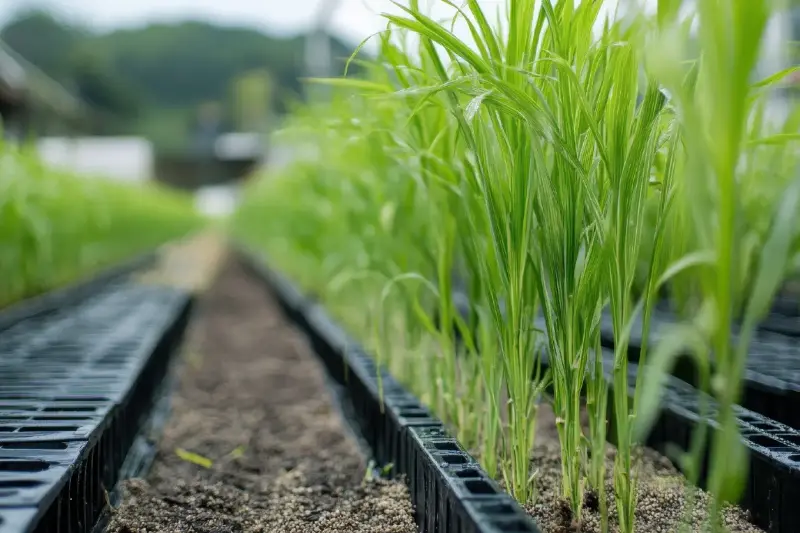
Across the united states, a quiet but powerful movement is taking root as local farming initiatives rise to meet the accelerating challenges posed by climate disruptions. Amid reports of vanishing water sources, unpredictable frosts, and severe droughts or storms, farmers are not just clinging to tradition; they’re reinventing it, crafting resilient systems tailored to an uncertain climate. This transformation, driven by both necessity and innovation, is rewriting the story of local agriculture—and it’s a narrative filled with creativity, collaboration, and unexpected ingenuity.
One of the most compelling examples comes from the heart of california’s central valley, where record-breaking droughts over the past decade forced farmers like juan contreras to rethink their methods. Instead of relying solely on traditional irrigation, contreras joined a cooperative experimenting with “dry farming.” This approach skips supplemental irrigation after the plants are established, encouraging roots to reach deeper water sources and conserving precious groundwater. Results have been impressive: dry-farmed tomatoes and grapes have thrived, developing richer flavors that fetch premium prices at local markets. While not suitable for every crop, dry farming is gaining traction as an adaptation technique in regions regularly threatened by water shortages.
Rotational grazing is another centuries-old practice getting a modern rehearing, especially among livestock farmers in the midwest and south. By frequently moving cattle and sheep to fresh pasture, these farmers mimic natural herd movements, minimizing overgrazing and helping restore soil health. Studies show that rotational grazing enhances soil’s ability to absorb and retain rainwater, making pastures far more resilient in both drought and deluge conditions—exactly the kind of variability that climate change is bringing more frequently. In oklahoma, groups like the noble research institute are providing guidance and resources to farmers adopting these regenerative techniques, creating networks where knowledge and results are shared in real time.
Resilience isn’t just about soil and water—it’s about community, too. The rise of community supported agriculture (csa) programs across urban and rural america is more than a farm-to-table trend; it’s a hedge against uncertainty. By selling shares of future harvests directly to consumers, local farmers can better weather poor seasons or unexpected climate shocks because the risk is spread among many. For members, it means a steady supply of farm-fresh produce and a personal stake in supporting regional agriculture. In boston, the urban farming organization boston farms has seen its csa subscriptions double since 2020 as more residents seek food security and direct connections to growers forced to adapt quickly to unpredictable growing seasons.
Urban environments themselves are proving to be unlikely proving grounds for climate-smart farming. In detroit, where abandoned lots once symbolized economic decline, neighbors have banded together to create hundreds of small farms using rainwater catchment systems and vertical gardening techniques. These strategies, which maximize yields in tight spaces and conserve water, have inspired similar efforts from los angeles rooftops to baltimore’s vacant lots. A surprising bonus: by increasing green spaces, these farms help cool neighborhoods during heatwaves and reduce urban flooding—a win for both food security and climate adaptation.
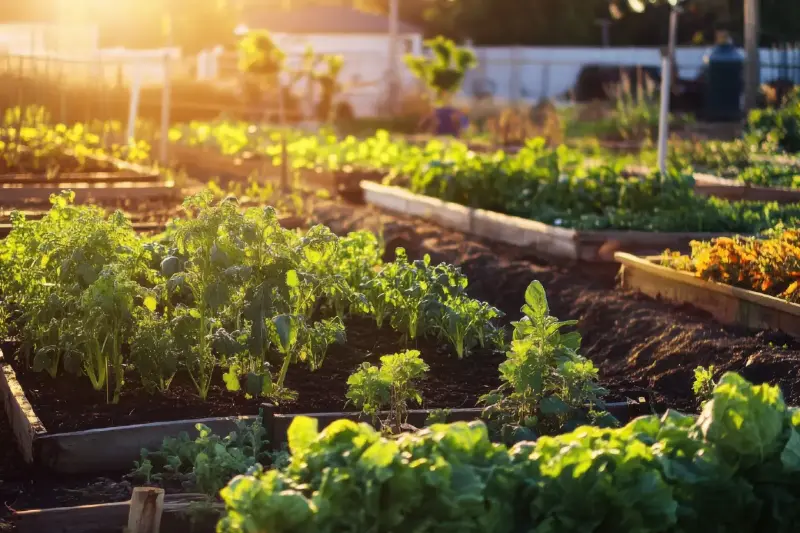
Diversity in what’s being grown is also emerging as a key defense. Across the pacific northwest, many farmers are shifting away from single-crop plantings toward more biodiverse operations. At oregon’s gathering together farm, for example, plots are planted with rotating arrays of vegetables, seeds, and cover crops that support pollinators and beneficial insects. This not only strengthens farm ecosystems but also ensures that a single weather event—like an unseasonable hailstorm—won’t wipe out the entire operation. Meanwhile, upstate new york’s stone barns center for food and agriculture is testing heritage grain varieties that show promise under both excessive rain and unexpected freezes, lessons they share with local partners to strengthen overall regional resilience.
Longer and more erratic growing seasons have prompted investments in infrastructure like hoop houses and shade cloths, offering inexpensive shields against late frosts and blistering sun. According to the national young farmers coalition, more than a third of small-scale growers now use some form of season extension. These simple structures, which range from homemade pvc tunnels to commercial-grade greenhouses, allow farmers to start seeds earlier or keep crops going later into the fall—critical insurance when spring and autumn weather turns capricious.
But perhaps the most striking shift within local farming initiatives is cultural, not technical. Increasingly, farmers are turning outward for solutions rather than working alone. Cooperative innovation hubs, like the extension services run by land-grant universities, are bustling with activity, connecting growers to researchers studying everything from drought-resistant seeds to pest management tailored for a warming world. In arizona, native communities are sharing traditional water conservation techniques, like waffle gardens and acequia irrigation, which have sustained crops through cycles of scarcity for centuries.
Digital tools are now just as important as tractors. Mobile apps powered by real-time weather updates alert minnesota berry farmers to frost threats, triggering protective measures within hours. Drone surveys help iowa’s vegetable cooperatives track soil moisture and guide precise irrigation or planting adjustments, reducing waste while maximizing yields.
As climate disruptions escalate, local food systems will continue to serve as proving grounds for transformative ideas. These initiatives are more than stopgaps—they’re seeding the future of sustainable agriculture, ensuring that communities large and small can continue to thrive no matter what challenges tomorrow’s weather may bring. For many americans, this local response offers something increasingly precious in a warming world: hope, rooted in the land.