


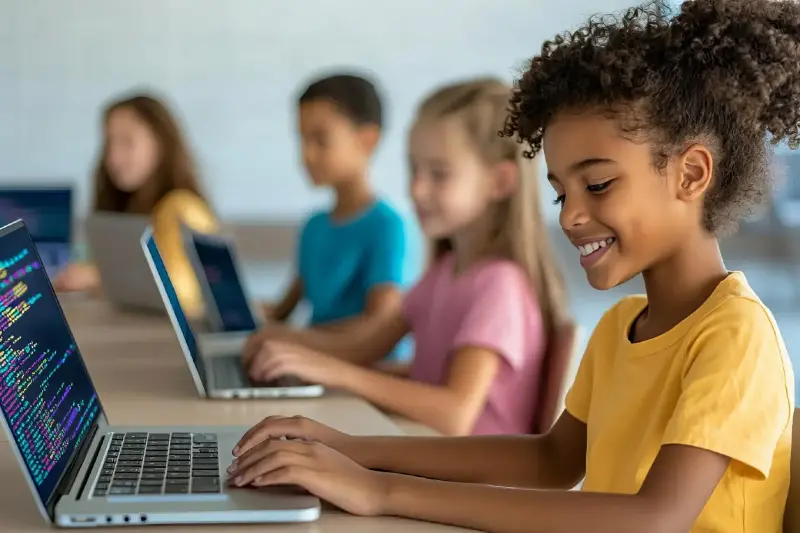
stepping into the world of coding can seem like entering a new universe, especially for kids who are just beginning to navigate the digital landscape. for parents and guardians considering enrolling their child in a beginner coding class, it’s natural to be curious about what these classes actually entail, how they’re structured, and what kind of benefits and expectations come with them. understanding what to expect in a beginner coding class for kids can make the experience not only less intimidating but also more rewarding for both students and their families.
exploring the basics: what kids learn first
at the heart of every beginner coding class is the goal to make programming accessible and fun. children are typically introduced to fundamental concepts such as sequences, loops, and conditional statements. rather than jumping straight into complex text-based languages, most classes begin with block-based coding platforms like scratch or code.org. these platforms use colorful, drag-and-drop blocks that visually represent coding instructions, so kids can focus on logic and structure without worrying about syntax errors.
instructors know that abstract concepts can be difficult for kids to grasp without context. that’s why many lessons are built around storytelling, animation, or game design. students might find themselves creating a simple animated story, designing a playable mini-game, or even directing a cartoon character to solve puzzles. not only does this approach keep young minds engaged, but it also demonstrates the practical uses of code.
hands-on activities and interactive lessons
a standout feature of beginner coding classes is their emphasis on hands-on learning. rather than sitting through lengthy lectures, kids spend most of their time actively engaged in building projects. for example, a typical class might start with a fifteen-minute introduction to the day’s concept, followed by interactive, guided challenges. these activities allow students to immediately apply their knowledge, experiment freely, and see the results of their efforts on the screen.
collaboration plays a significant role, too. kids are encouraged to work in pairs or small groups, either in person or via virtual breakout rooms if the class is online. sharing ideas and troubleshooting code together fosters problem-solving skills, promotes teamwork, and helps students learn from one another. this social aspect makes the experience enjoyable, while also cultivating communication skills that are valuable beyond coding.
kids are also given opportunities to personalize projects by choosing themes, characters, and storylines that interest them. this level of creative freedom motivates children to dive deeper into coding concepts and take pride in their achievements.
embracing challenges and problem-solving
coding is not always straightforward, and beginner classes don’t shy away from presenting challenges. instead, instructors frame mistakes and errors as valuable learning opportunities. when a program doesn’t work as expected, students are guided to debug their code step by step, identifying where things went wrong and figuring out how to fix them. this process develops resilience, critical thinking, and attention to detail—qualities that are useful in school and in life.
many courses incorporate “unplugged” activities as well—exercises that teach coding logic without the use of screens. for example, children might solve paper-based puzzles or participate in movement games that mimic the logic of programming. these activities make abstract ideas more concrete and demonstrate that the principles of coding extend far beyond computers.
friendly and supportive environment
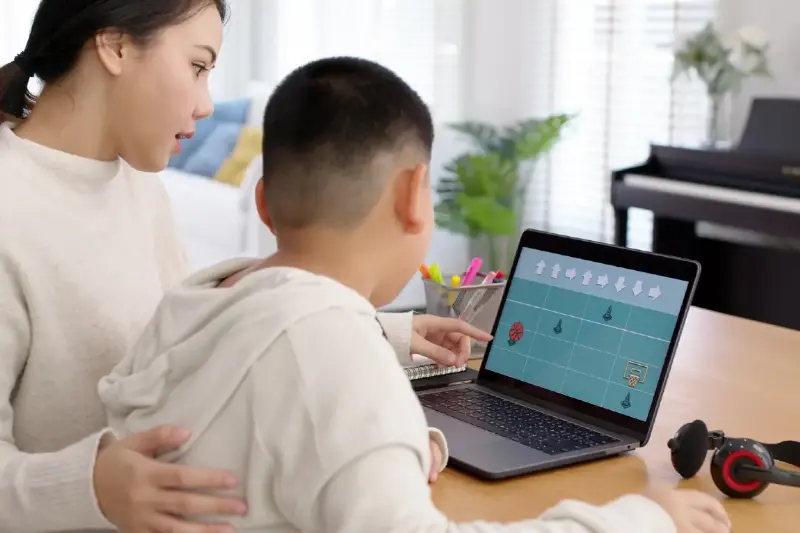
one of the most notable aspects of beginner coding classes for kids is the inclusive, supportive atmosphere. instructors are trained to be patient, approachable, and responsive to different learning paces. they often use positive reinforcement, celebrating when students solve a problem or show creativity in their work. mistakes aren’t viewed as failures, but as natural parts of the learning process.
the class sizes are typically small, ensuring that each child receives plenty of individual attention. when a student gets stuck or feels frustrated, instructors step in with encouragement and guidance, helping them regain confidence and move forward.
integration of technology and digital citizenship
beginner coding classes offer a safe, supervised context for kids to use technology. along with coding skills, instructors frequently touch upon important topics such as internet safety, respecting others’ work, and the basics of online etiquette. these lessons prepare kids for the broader digital world and lay the groundwork for responsible technology use in the future.
showcasing achievements
toward the end of a course, many beginner coding classes organize show-and-tell sessions or mini “hackathons” where students can present their projects to family and classmates. these presentations are highlights for many kids—they offer a sense of accomplishment and provide an opportunity to share their creativity and problem-solving skills. some programs also send home digital portfolios or certificates, so families have a tangible way to celebrate their child’s progress.
long-term benefits beyond the screen
what many parents find remarkable is that the value of coding classes extends beyond simply learning how to program. the structure of these classes encourages curiosity, logical reasoning, and perseverance. as children tackle new challenges, they gain confidence in their ability to solve problems and learn independently.
coding is a skill that can open doors in countless careers, but even for kids who won’t become professional programmers, the lessons learned in beginner classes are immensely useful. understanding how technology works, thinking analytically, and collaborating with others are abilities that serve children well in every area of life.
what to keep in mind as a parent
as you consider signing your child up for a beginner coding class, it’s helpful to remember that every learner is different. some kids take to coding immediately, while others may need more time and encouragement to blossom. the key is finding a class that matches your child’s interests and pace, and choosing an environment that feels supportive and fun.
in many cases, the skills and excitement sparked in a beginner coding class don’t stop at the end of the course. kids often continue exploring, experimenting, and creating long after the class is finished—sometimes even inspiring parents or siblings to join them. for many families, a beginner coding class is just the launchpad for a lifelong love of learning and innovation.