


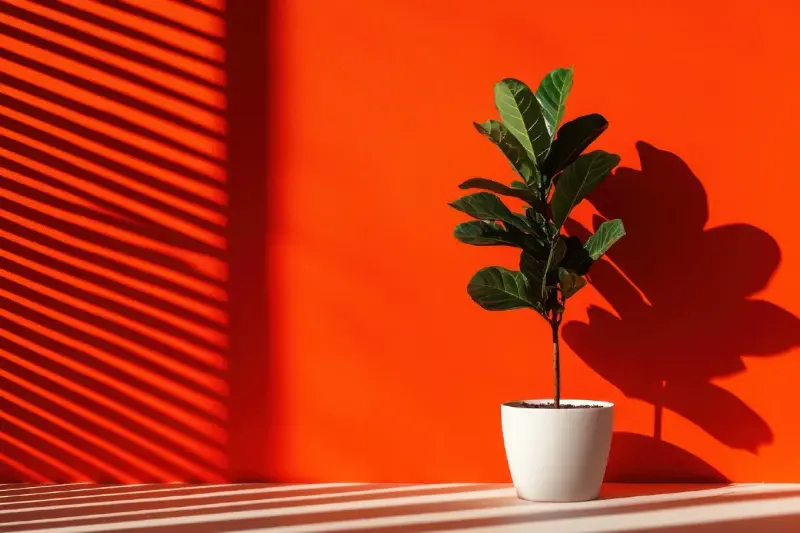
if you’ve ever found your favorite houseplant wilted and limp, despite showering it with water, you’re not alone. few things are as frustrating for plant owners as seeing those beautiful leaves sag in surrender right after what should be a life-giving drink. it seems counterintuitive—shouldn’t water perk them right up? in reality, drooping after watering is a common phenomenon with some fascinating science and a mix of causes behind it.
overwatering: the usual suspect
for many, the natural reaction to drooping leaves is to grab the watering can. unfortunately, that’s often the exact opposite of what your plant needs. overwatering is the most frequent cause of persistent drooping. when soil becomes waterlogged, air pockets that roots need to breathe fill with water instead. roots can no longer access oxygen, which is essential for their health.
plants “breathe” through tiny pores in their roots. drowning these roots leads to a condition called root rot, making them unable to take up water. you might notice yellowing leaves, a musty smell in the soil, or even blackened roots if you dig a little. in this soggy scenario, despite bathing in water, your plant is actually dying of thirst because its roots just can’t function.
underwatering: thirsty roots protest
on the flip side, sometimes a plant truly is thirsty. if it’s been a while since your last watering, roots may have dried out or shrunk away from the soil, causing the plant to wilt. the surprising part is that an underwatered plant doesn't always bounce back immediately after a drink. severely dry root balls can become hydrophobic, repelling water so moisture runs right through without being absorbed. in this case, a quick pour-over won’t solve the problem. instead, the plant needs a thorough soak—let the pot sit in a tray of water so parched soil can slowly rehydrate.
shock and quick changes
plants are adaptable, but sudden changes in watering habits or environment can lead to “transplant shock,” where they droop temporarily to adjust to new conditions. it’s a little like feeling off balance after a big surprise; plants need time to recalibrate their internal systems. if you’ve recently moved your plant from one spot to another, changed soil, or given it a drastically different watering schedule, drooping is not unusual. usually, this type of stress resolves with a little patience and consistency.
hot weather and transpiration
during heat waves, even well-cared-for plants can look tired and limp. plants lose water fast through a process called transpiration, where moisture evaporates from their leaves. if the rate of water loss is higher than their roots can uptake, leaves droop to conserve energy. even after watering, it may take time for roots to catch up, especially if the air is dry or if the plant is rootbound in its pot.
rootbound troubles
speaking of rootbound, many houseplants outgrow their containers over time. if roots coil around themselves inside the pot, they can struggle to absorb water effectively, no matter how much you provide. after watering, water might drain away along the sides while the roots remain parched in the middle. symptoms include stunted growth, yellowing, and—yes—drooping leaves. if you suspect your plant has outgrown its home, gently remove it from the pot and check. a mass of tangled roots is a sign it’s time to repot into a larger container.
the importance of correct pot and soil choice
waterlogged or bone-dry, the wrong soil mix or container can undermine your watering efforts. pots without drainage holes often lead to standing water and unhappy roots. similarly, heavy, clay-rich soils retain too much water, while sandy mixes may not hold enough. finding the right balance—a pot with good drainage and a soil mix tailored to your specific plant—makes a world of difference.
light matters more than you think
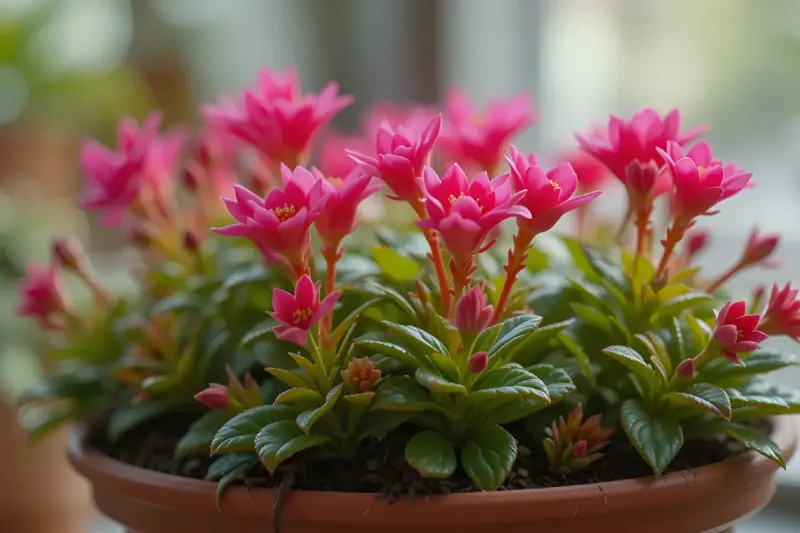
surprisingly, the amount and quality of light your plant receives also affects how it uses water. insufficient light slows down photosynthesis, meaning roots take up less water even if the soil is moist. this can mimic the symptoms of underwatering or overwatering, as leaves droop in response. always make sure your plant’s light needs match its species, and try to avoid moving it around too much since sudden changes can trigger stress.
nutrient deficiencies and pests
if you’ve checked all the usual boxes—watering, light, soil—and your plant is still drooping, there might be another culprit at play. nutrient deficiencies, particularly in magnesium or potassium, can impact the plant’s ability to control water movement in its leaves. likewise, common pests like spider mites or funguses attack the plant’s vascular system, messing with its hydration even when you’re watering correctly. check for telltale signs: discolored spots, tiny webs, or sticky residue.
lets recap with a few plant-saving tips
the key to happy, upright plants isn’t simply watering more or less—it’s tuning into their specific needs. always check the soil about an inch below the surface before grabbing the watering can; it should feel just barely moist, not soaked or bone dry. consider the environment—temperature, humidity, and light all play a role in how much water your plant uses. be mindful of your pot’s drainage and choose an appropriate soil mix. if your plant is rootbound, give it the room it needs to stretch out in a bigger pot. finally, keep an eye out for signs of pests and deficiencies.
there’s something quietly rewarding about troubleshooting plant droop—it connects you to the fascinating life happening right in your home. next time you spot a droopy leaf, take a closer look at what’s happening below the surface. a little plant detective work might just save their day—and yours.