



each year, skywatchers eagerly anticipate meteor showers, those celestial light shows where streaks of cosmic debris burn up spectacularly in earth’s atmosphere. while some meteor showers, like the perseids or the leonids, reliably dazzle with predictable abundance, there are several much rarer, often-overlooked meteor showers that grace the night sky only under specific conditions. as we look ahead to 2025, some of these lesser-known meteor showers offer not just rarity, but the thrill of witnessing something truly special—showers that even seasoned astronomers consider rare treats.
if you’re curious about which rare showers to look out for in 2025, and what makes each unique, read on for the interesting facts and helpful tips on catching these fleeting cosmic events.
the alpha monocerotids: a surprise burst in the unicorn's horn
few meteor showers are as unpredictable as the alpha monocerotids. this faint constellation, monoceros (the unicorn), hosts a shower famous for rare, intense outbursts that can light up the sky with dozens or even hundreds of meteors within an hour—but only in specific years. since their discovery in 1925, notable bursts have occurred only a handful of times, most recently in 2019. in 2025, models suggest a possible activity peak on november 22nd, although no strong outburst is predicted. seasoned skywatchers will keep an eye on the predawn hours for even a small flurry. the unicorn-themed constellation is low on the eastern horizon for most of north america, so find a spot with a clear view away from city lights for your best chance.
the june bootids: a shower that comes and goes the june bootids may sound like a routine shower, but their activity varies dramatically from year to year, often catching astronomers by surprise. typically, they produce just a handful of meteors per hour, but historical records, like the 1998 outburst, show rates can jump to over 100 meteors per hour in rare circumstances. the parent body, comet 7p/pons-wincke, leaves behind narrow dust trails and whether earth crosses a dense filament depends on small orbital shifts. this makes every year a celestial wild card. in 2025, the peak is expected around june 27th. with a waning crescent moon that won’t interfere much, vigilance in the late evening could reward patient observers with this shower’s elusive performance.
the camelopardalids: cosmic camels crossing our sky not many have heard of the camelopardalids, a shower originating from the little-known comet 209p/linear. its major claim to fame was a rare outburst in may 2014, which delivered dozens of slow-moving meteors visible across north america. outside of such outbursts, this shower is usually faint. predictions for 2025 do not suggest significant activity, but the potential for surprises keeps astronomers watching. their peak is expected during the night of may 24th into the early morning of may 25th. the radiant sits high in the northern sky after midnight, so anyone in the northern united states has a prime view.
the epsilon geminids: the twin’s hidden treasure the more famous geminids paint the december sky with up to 120 meteors an hour, but the epsilon geminids, peaking around october 19th, are much rarer and never as prolific. typically producing about three to five meteors per hour, this shower is interesting because of how little is still known about its parent body. most astronomers believe it comes from an extinct comet or dark asteroid, making every sighting a minor cosmic mystery. the radiant sits in the constellation gemini and becomes most visible after midnight. in 2025, dark skies and no moon interference make this an ideal time for hardy night owls to challenge themselves to witness one of the sky’s quieter shows.
the beta taurids: a daylight drama most meteor showers are at their most dazzling after midnight, but the beta taurids are an unusual, daytime meteor shower. earth passes through the stream of comet 2p/encke every june and july, but the radiant is so close to the sun that the meteors can’t be seen by the eye under ordinary night conditions. in rare years, the β taurids can cause spectacular fireballs known as “daytime meteors”—sometimes captured in broad daylight or registered by radar and security cameras. 2025 is expected to be a regular year for beta taurids, but monitoring for unexplained flashes or booms during the day can make for an intriguing citizen science project. if you’re out and about in early july, keep an eye on the sky and cameras rolling.
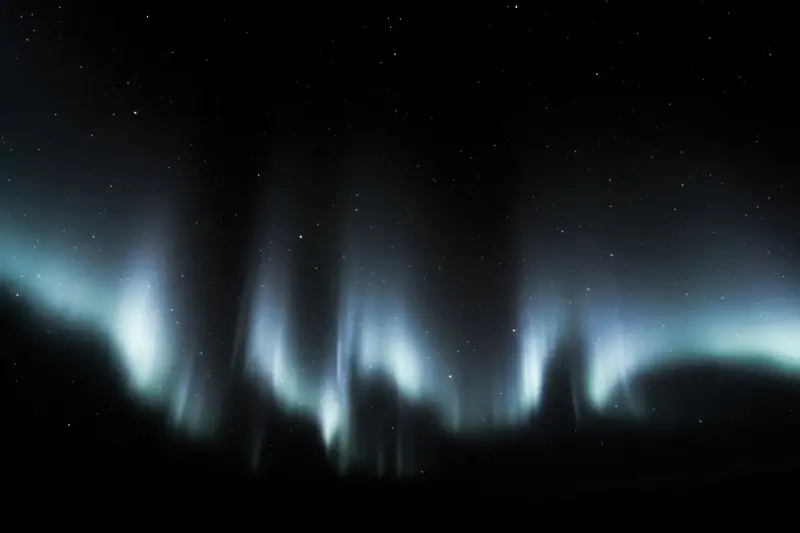
the orionid outlier: the “p-pup” while the main orionid meteor shower is far from rare, the lesser-known “orionid p-pupids,” sometimes called the “puppid orionids,” occasionally grace the sky with tiny bursts of activity. these are linked to comet 26p/grigg-skjellerup, and are mostly unpredictable. their peak is usually late october, with just a handful of very faint meteors—but if earth happens to cross a denser trail left by the comet, upticks in numbers have been documented by patient observers. in 2025, the new moon falls close to the traditional window for this minor outburst, so anyone watching the night sky in late october might catch a glimpse.
the ultimate rarity: meteor showers from new comets finally, one phenomenon to consider in 2025 is the potential for meteor showers from newly discovered or recently fragmented comets. sometimes, when a comet breaks up, it leaves behind a debris trail that earth passes through for the first time, resulting in an unpredicted burst of meteors. while nothing is set for 2025 as of now, astronomers continually monitor cometary activity. all it takes is one spectacular breakup, and a “guest” meteor shower can light up the sky, rewarding lucky viewers with a once-in-a-lifetime experience.
how to witness these rare displays
to catch these elusive showers, check reliable meteor shower forecasts and local astronomy club alerts. maximize your chances by choosing dark-sky locations, allowing time for your eyes to adjust, and giving yourself at least an hour outdoors. bring comfortable seating and—most importantly—enjoy the wonder of being part of a small group of witnesses to some of nature’s rarest light shows.
whether you’re an astronomy buff, a nature lover, or simply curious about what’s flying above, these rare meteor showers of 2025 offer the thrill of the unexpected. each provides its own kind of magic—a fleeting connection to the vast universe, unfolding for those patient and passionate enough to look up.