


Why Are Orcas So Drawn to Sailboats? Secrets Behind the Sea’s Most Baffling Encounters
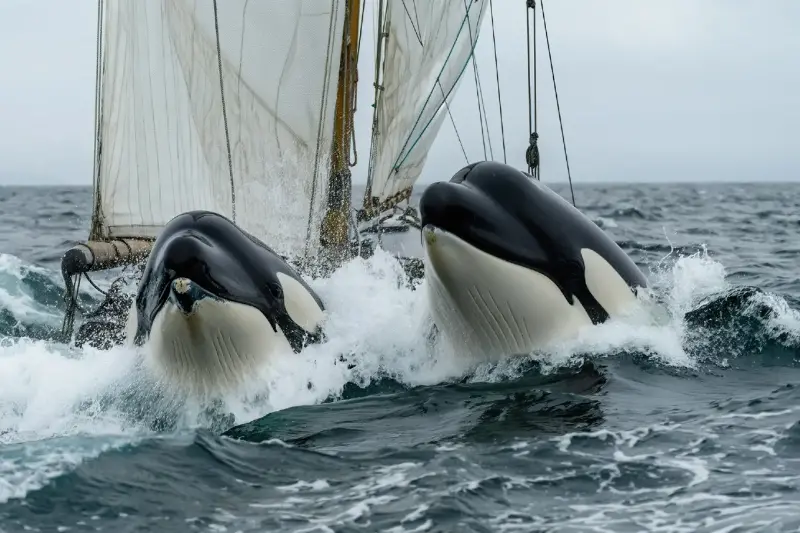
Imagine the thrill of gliding across glassy waters under a sky brushed with sunlit clouds, only to feel a sudden, powerful jolt beneath your feet. As your heart races, you realize the cause isn’t just any submerged object - it’s a majestic orca investigating your boat’s rudder. If this makes your pulse quicken, you’re not alone. Across the world’s oceans, sailors and scientists alike are captivated by the mysterious rise in orca-sailboat interactions, eager to understand what attracts these powerful marine mammals and, above all, how humans and whales can safely share the waves.
Whether you’re a sailing enthusiast, a wildlife lover, or simply curious about the natural world’s unsolved puzzles, exploring the curious case of orcas and sailboat rudders opens a doorway to adventure, wonder, and a deeper connection with the ocean. Dive in to learn what’s truly happening beneath the waterline - and how you can play a role in unraveling the secrets of these awe-inspiring animals.
A rising phenomenon: Orcas and sailboat encounters in the spotlight
Every year, reports of orcas approaching, nudging, or even aggressively interacting with sailboats are making headlines from the wind-blown coasts of Portugal and Spain to the chilly straits of the Pacific Northwest.
Social media is awash with videos of muscular black-and-white bodies shadowing hulls, and sailors recounting breathless moments as their rudders are rocked or rendered useless miles from shore.
So why now? Marine researchers point to a fascinating mix of behavior, environment, and perhaps even culture among these intelligent creatures. What’s certain is that these encounters are no longer rare - they are a phenomenon demanding attention, compassion, and scientific clarity.
Why the rudder? Decoding the orca’s strange new fascination
If you ask marine biologists what brings orcas back, again and again, to the rudders of sailboats, the answers are as varied as the personalities of the animals themselves.
- Curiosity unleashed: Orcas boast one of the largest brains in the animal kingdom, making them playful investigators. For them, the spinning movement of a rudder is like a puzzle begging to be solved.
- Social learning: Some pods seem to have passed this behavior along, much like a game. What may have started as play in one family could ripple quickly through others via imitation.
- Prey practice: A moving rudder could mimic the defensive swerving of a wounded fish or sea mammal. Engaging with this part of the boat might serve as prey-handling training for juvenile whales.
- Misdirected aggression: Environmental stressors, dwindling fish stocks, or prior negative encounters with vessels might prompt more forceful interactions with boats, though this is still under review.
Marine teams highlight this: most orcas are not trying to damage or sink boats. For them, engagement with rudders is a form of complex play and problem-solving, reflecting an intelligence and curiosity that’s humbling to witness.
Sailing through orca country: How to stay safe and respectful
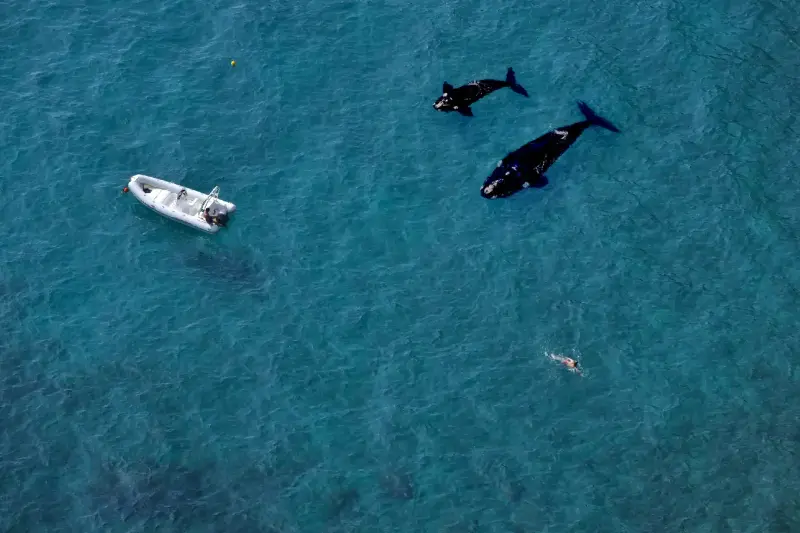
Skippers and adventurers sailing in orca-inhabited waters face a unique challenge: how can you relish the awe of an unplanned wildlife encounter while ensuring everyone’s safety - both human and cetacean?
Here are insider-backed tips for navigating these waters with care:
- Stay calm: Sudden movements or loud noises can startle orcas. If you see them approach, slow your vessel and maintain course.
- Reduce speed: Lowering your speed, especially if orcas are seen nearby, minimizes the chances of provoking attention or injury.
- Hand off the helm: If an orca begins circling or nudging your rudder, avoid erratic steering. Steady hands help keep the interaction brief and calm.
- Keep a respectful distance: If you can, avoid approaching pods, particularly those with juveniles. Give orcas the space to move freely.
- Alert authorities: Many coastal nations now ask sailors to report orca sightings, especially during interactions, to help authorities monitor trends and warn other boaters.
Remember: staying composed and respectful of these remarkable animals not only protects you, but it also fosters a new kind of partnership between navigators and nature.
How tech boosts our knowledge: Reporting apps and citizen science
The surge in orca-rudder interactions has galvanized not just scientists, but also regular sailors into becoming frontline researchers.
The secret weapon? Your smartphone. A range of reporting apps now put vital observation tools in the hands of anyone at sea:
- Orca Atlântica: A popular app in the Iberian Peninsula, letting users quickly log encounters and locations with photos or notes.
- Wildlife Reporting Hotline: Many regions operate hotlines or web forms that feed directly into live maps used by maritime authorities.
- INaturalist: The global platform lets users add orca sightings to a growing database, tracked by amateur and professional scientists alike.
Why does this matter? Crowdsourced data paints a richer, more immediate picture of orca hotspots, shifting travel routes, and recurring behaviors. By reporting responsibly, you help map the living geography of ocean life - making every interaction matter on a global scale.
What you see, what you feel: The emotional aftermath of an orca encounter
Ask anyone lucky (or unlucky) enough to have shared a few dramatic minutes with orcas at sea, and the emotions always run deep. There’s awe, certainly. But often, a profound humility lingers, along with a swelling sense of responsibility.
- Adventurers describe the sharp, clean scent of salt spray, the sight of gleaming dorsal fins slicing through shifting blue-green light, and the pulse-pounding thrill when raw animal curiosity meets human ingenuity.
- There’s also tension - will the rudder survive? Will the pod tire of play? Will this be a memory to share, or a tale of caution?
- But above all, these moments tend to ignite a wild, almost childlike fascination with our place in the web of life - and a yearning to protect its most enigmatic members.
Key takeaways for sailors, scientists, and sea-dreamers
- Orca-sailboat interactions are trending worldwide, driven by curiosity and social learning among these intelligent mammals.
- Your actions can help ensure safe, respectful encounters for both humans and orcas - calm, composure, and reporting are your best tools.
- Smart technologies and citizen science are changing how we map, understand, and safeguard marine wildlife in ways never before possible.
Looking ahead: What mysteries still wait below the surface?
Our watery world is full of questions without easy answers, and the orca’s newfound interest in sailboats is one of its most shimmering riddles. As we balance our longing for awe and adventure with the needs of a fiercely intelligent animal, a gentle challenge beckons: How will you choose to connect, contribute, and care the next time you meet the sea’s most curious giants?
Every wave, every encounter, reminds us - the ocean is alive with stories still waiting to be told.