


The hidden cost of convenience: what food delivery apps are really doing to our health and culture
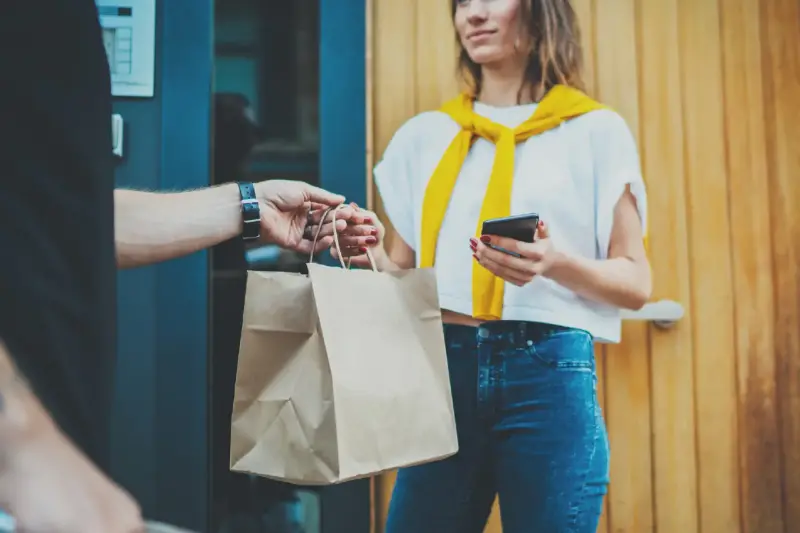
Have you ever wondered what truly happens each time you tap that tempting “order now” button? You’re not just inviting dinner into your home - you might be opening the door to subtle but profound shifts in how you eat, connect, and even see yourself.
Tonight, as rain taps on the window and your favorite show loads, the scent of pad thai, pizza, or gourmet burgers soon wafts up from a cardboard box at your door. You don’t need to know the chef or shake hands with a delivery driver. The entire ritual of mealtime has been streamlined to near invisibility. But beneath this seductive convenience, something deeper is changing.
This article isn’t about blaming technology. It’s about peeling back the wrapper to understand how food delivery apps are reshaping not just our diets, but our relationships, rituals, and even our sense of belonging. What do we lose when food is only a tap away? And are there ways to reclaim what matters without giving up modern ease?
The taste of tomorrow: how delivery habits are reprogramming our diets
Ordering in is hardly new. But with the unstoppable rise of delivery giants like Uber Eats, DoorDash, and Deliveroo, the very texture of our eating habits is being rewritten. Today, more than 112 million Americans use food delivery apps monthly - a figure that keeps climbing. What started as a rare treat is now woven seamlessly into daily routines, from lazy Sundays to stressful Wednesdays.
But here’s the catch: most meals delivered to our doors are higher in calories, fat, sugar, and salt compared to home-cooked alternatives. That indulgent energy you taste in late-night burgers or creamy noodles comes at a price most users don’t count - a slow drift toward less balanced, hyper-palatable options.
- Plates are piling up with:
- over-sized portions that defy moderation
- sauces and dressings by the cup-full
- ultra-processed ingredients designed for maximum flavor and speed
The joy of choice often becomes the tyranny of temptation. After all, it’s much easier to surrender to a crispy chicken sandwich staring back from a glowing screen than to chop, sauté, and wait. And food companies know this - menus are engineered for impulse, with photos and descriptions crafted to trigger your cravings.
Why waiting for the doorbell might make you lonelier
Remember when meals meant more than food? Across cultures and centuries, sharing bread has marked everything from celebrations to everyday bonding. Yet with a surge in solo ordering, kitchen tables are gathering dust, and the ritual of eating together is fading.
Eating alone, especially in front of glowing screens, may subtly erode emotional well-being.
- Studies reveal:
- eating with others can reduce stress and improve happiness
- family meals increase children’s vocabulary and self-esteem
- regular group dining strengthens social ties and cultural identity
When delivery replaces the shared meal, mealtimes become more private and, sometimes, more isolating. The kitchen - once a crucible of connection and storytelling - is being outsourced to strangers and algorithms. Even the conversations with delivery drivers are often reduced to a text message or a fleeting handoff.
The rise of the ‘ghost kitchen’ - and the phantom of culinary tradition
There’s a hidden world behind many of your favorite app orders: the ghost kitchen. These are industrial cooking spaces, often with no dine-in service or storefront. Some operate dozens of online-only brands out of a single kitchen, using data to predict what’ll sell best in your neighborhood.
Ghost kitchens are a marvel of efficiency - but their rise signals a break with tradition. Instead of old family recipes, you’re often getting food crafted by formula, designed for speed and shelf-life, not memory or meaning. Unique regional favorites blur as standardized menus dominate. How can you savor a sense of place when tonight’s taco or sushi roll may have been designed in a corporate office thousands of miles away?
Quick fixes, lasting effects: why our bodies feel the shift
Sure, delivery apps are answers to busy lives, new parents, or pandemic-era restrictions. But the speed and frequency of delivery eating brings property consequences, especially over the long haul.
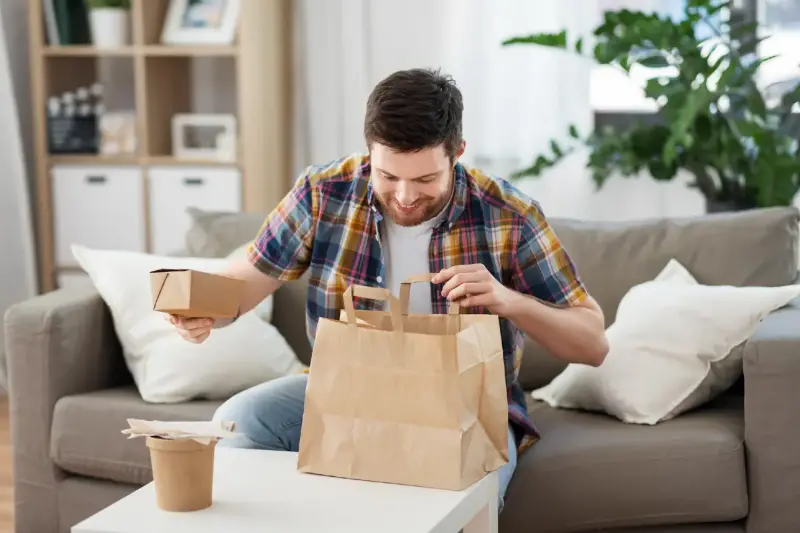
Research links regular meal delivery app use with:
- weight gain and rising BMI, especially in young adults
- increased risk of diabetes and cardiovascular issues due to excess salt and saturated fats
- less mindful eating, as food is often consumed while distracted by screens
- a detachment from the skills and pleasure of cooking
But it’s not all doom and gloom. The very technology that tempts us can also empower us, if we use it mindfully.
How to reclaim joy, connection, and health in the age of delivery
You don’t have to toss your apps or ban convenience from your life. Instead, you might experiment with a few small shifts that honor both efficiency and tradition:
- schedule regular shared meals - even one night a week - where you sit down with friends or family
- when you order, choose restaurants that source locally or offer healthier options (think grilled bowls, salads, or plant-based dishes)
- use delivery as an inspiration to try new foods, then learn to cook your favorites at home
- keep devices off the table when you eat, whether alone or together, to focus on the textures, flavors, and company before you
Small, intentional choices can revive the magic of meals, no matter how busy your days.
Food, fast or slow: what will you choose next?
As you wipe the sauce from your fingers, picture what mealtime means to you. Is it just fuel and convenience, or a ritual worth reclaiming? Every delivery tells a story - about who we are, how we care for ourselves, and the culture we’re creating together.
Delivery apps may be changing the way we eat, but the deeper meaning of meals is still yours to define. The next time the doorbell rings, maybe pause and savor not just the taste, but the story behind your dinner. After all, the future of food isn’t just about what arrives in a bag - it’s about how we gather, share, and remember.
Which tradition, flavor, or ritual will you bring back to your table tonight? The answer might be just a tap away - or simmering quietly in your own kitchen, waiting for you to rediscover it.