


There’s a good chance that when you imagine a slice of home, a comforting winter’s evening, or a classic dinerscape, apple pie floats into your mind’s eye. But why has American pie—specifically the apple variety—become so undeniably woven into America’s cultural fabric? The baked delight is more than a dessert: it’s a symbol, an icon, and, for many, a bite of nostalgia that bridges the nation’s past and present.
From Humble Orchards to Early American Tables
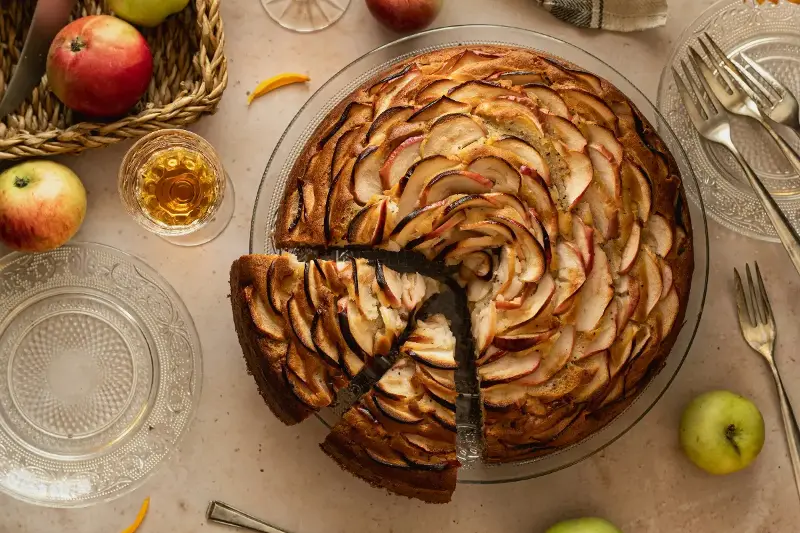
The story of American apple pie begins thousands of miles away. Apples aren’t actually native to North America; they journeyed with early European settlers. Orchards soon blossomed across the colonies, and by the 18th century, apple pie recipes began appearing in handwritten cookery books.
Unlike their European predecessors, American bakers adapted recipes to what they had available. The result was the more rustic, double-crusted apple pie we now know. Sweet apples were layered with cinnamon and sugar, then enveloped in a buttery, flaky crust—a dish humble in its ingredients but rich in flavour and comfort.
From Slogan to Symbol: “As American as Apple Pie”
The saying “as American as apple pie” didn’t simply spring up overnight. It was during the early 20th century, especially through the turmoil of the Second World War, that the phrase gained currency. Soldiers and advertisers alike capitalised on the sentiment: apple pie came to represent everything wholesome, home-grown, and worthy of defence.
- During WWII, US soldiers would often answer the question “why are you fighting?” with: “For mom and apple pie.”
- Newspapers, advertisements, and songs featured apple pie as a metaphor for the American experience—simple, honest, and deeply satisfying.
A slice of pie thus became a slice of home, wherever the front lines might have strayed.
Pie on the Menu: Diner Culture and Everyday Americana
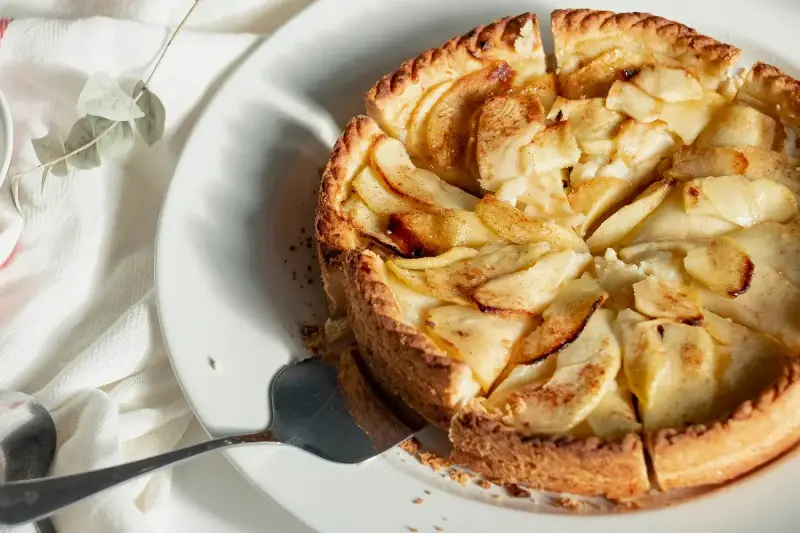
Drive across the American heartland, and you’re sure to find pie in nearly every diner from coast to coast—sometimes served à la mode, other times on its lonesome, always surrounded by a sense of warmth. The classic American diner, with its checkered floors and humming neon, played a major role in making pie accessible and ever-present.
- Apple pie, in particular, was cheap to make, adaptable year-round, and perfectly at home beside a steaming mug of coffee.
- The sight of pie under a glass dome became shorthand for welcome—a simple, universally understood culinary handshake.
That slice was a testament to abundance and shared experience, no matter who you were or where you’d come from.
Thanksgiving Traditions: More Than Just Pumpkin
While pumpkin pie often headlines Thanksgiving, apple pie is an enduring staple at the American table. Its presence signals the close of autumn, the celebration of harvest, and the joys of gathering.
- Apples are typically harvested in autumn, making them both fresh and symbolic during the Thanksgiving season.
- Many regional variations (with cheddar cheese, spices, or different apples) demonstrate the pie’s adaptability and ongoing relevance.
Baking an apple pie, for many families, is a treasured ritual passed from one generation to another—linking past to present, and each other to a broader American story.
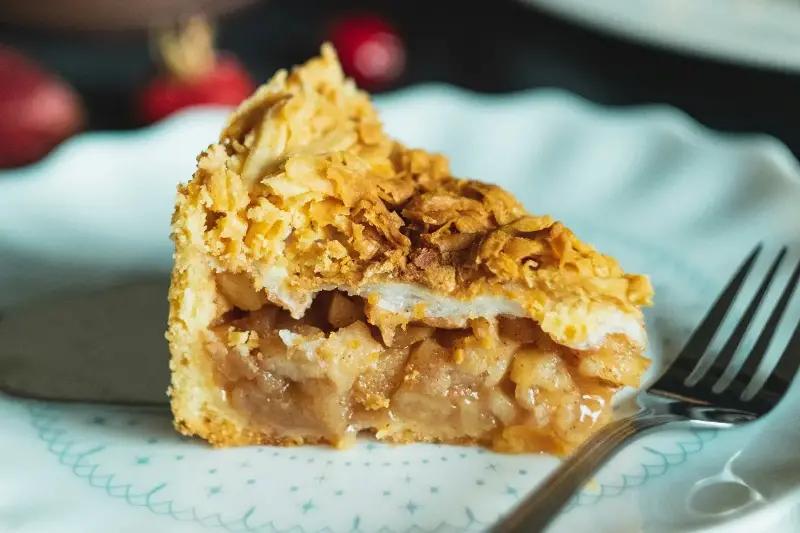
From its orchard roots to the heart of national traditions, apple pie’s rise to stardom is intertwined with the country’s evolving identity and values. Next time you savour that first bite—crisp, tart, sweet, and spiced—consider the generations and stories folded into its crust. Is it any wonder that a simple pie has come to mean so much, or that perhaps its enduring appeal lies in the comfort of a shared slice?
Who knows what culinary traditions we’ll adopt next, and what stories tomorrow’s pies might tell?