


Picture yourself settled into your favourite café, sipping espresso and tapping into free Wi-Fi. You might think the ‘Incognito’ mode on your browser ensures your privacy. But reality couldn’t be further from the truth. On public networks—airports, hotels, coffee shops—your online activity is a sitting duck waiting to be picked off by opportunistic cybercriminals.
Incognito mode only stops your browser from saving your history and cookies. It does not—repeat, does not—shield your data from prying eyes on the same network. Every email, bank transaction, or photo upload you make over an unsecured Wi-Fi hotspot is vulnerable.
What Lurks Beneath: The Real Threats You Can’t See
Public Wi-Fi is a playground for hackers and data thieves. The risks are not just urban legends. Through tactics like “Man-in-the-Middle” (MitM) attacks, cybercriminals intercept the information flowing between your device and the internet. Without warning, your passwords, private messages, or financial details could be silently siphoned away.
Some typical public Wi-Fi threats include:
- Packet sniffing: Malicious actors capture and analyse the data you send and receive.
- Evil twin hotspots: Hackers set up fake Wi-Fi networks with convincing names to fool you into connecting.
- Session hijacking: Criminals steal your login credentials, gaining access to your email or social accounts.
The consequences? Identity theft, drained bank accounts, embarrassing leaks—the stuff of digital nightmares.
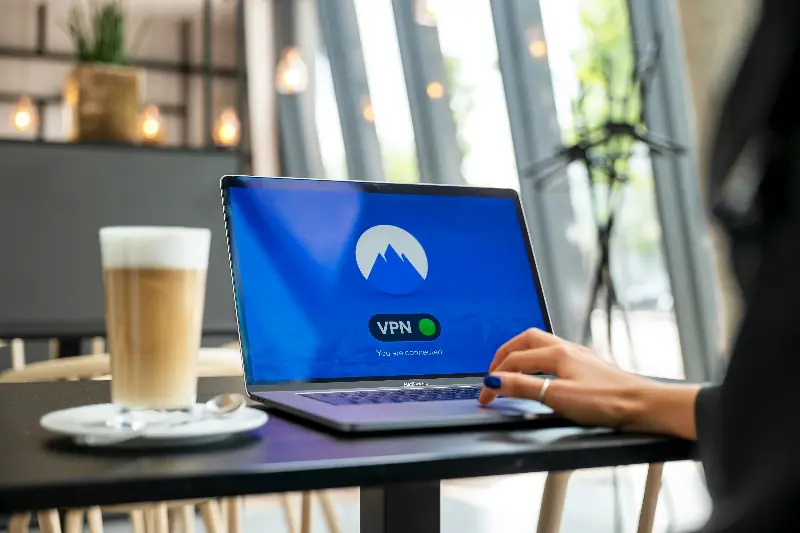
VPNs: Your Invisible Armour in a Connected World
Enter the Virtual Private Network—better known as a VPN. More than just a tech buzzword, a VPN acts as your encrypted tunnel on public Wi-Fi. With a VPN, every bit of your data travels to its destination under heavy digital guard.
Here’s how a VPN secures you:
- It encrypts your internet traffic, turning it into unreadable gibberish for anyone trying to snoop.
- It hides your real IP address, making your online identity and location harder to trace.
- It bypasses censorship and geo-blocks, letting you access content as freely as if you were browsing at home.
Using a VPN isn’t just for the tech-savvy—modern VPNs require little more than a tap to activate and can protect your smartphone, tablet, or laptop in seconds.
Beyond Browsing: Surprising Perks of Going Private
The magic of VPNs extends far beyond public Wi-Fi safety. Did you know they can help you save money? Some online shops and airlines show different prices based on your location; by toggling server locations, savvy travellers can often find better deals.
Plus, with a VPN, you get the freedom to watch streaming content otherwise restricted in certain countries. For journalists and business travellers, a VPN can be a literal lifeline—guarding reporting, communication, and sensitive documents wherever they roam.

First Line of Defence: Why VPNs Trump Incognito Every Time
Think of incognito mode as closing your curtains—it keeps nosy neighbours from peeking in, but does nothing if someone’s tapping your phone line. A VPN, by contrast, not only draws the curtains but builds a soundproof, windowless room around you.
When using public Wi-Fi, a VPN must move from “nice to have” to non-negotiable basic hygiene—as essential as brushing your teeth in the morning. As remote work and global mobility skyrocket, staying a step ahead of cybercriminals becomes less a luxury and more a necessity.
A Digital World Awaits: Will You Step Out Unprotected?
Technology offers freedom—but also demands caution. As our world becomes ever more interconnected, the question is no longer whether you should use a VPN on public Wi-Fi, but why you’d risk going without one. Next time you log onto that free café hotspot, ask yourself: is a few seconds of convenience ever worth the price of your privacy? The choice is yours to make—and the future of your digital life could depend on it.