


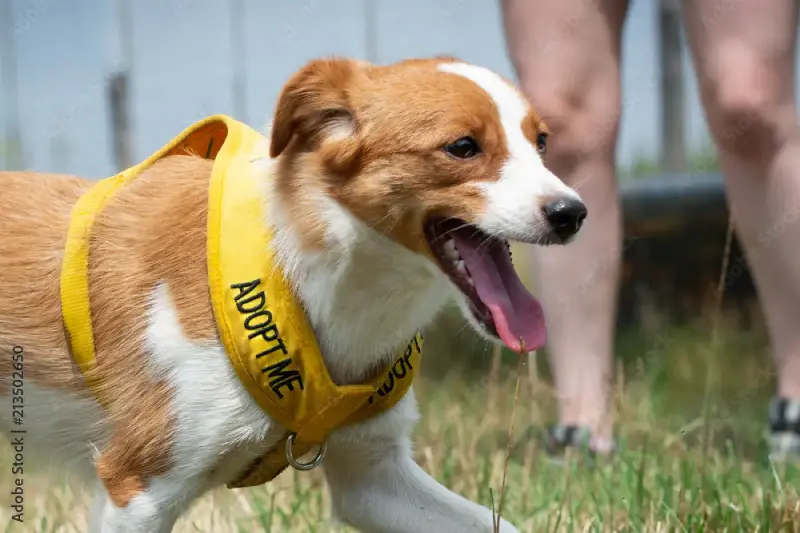
losing a beloved pet is a deeply emotional experience that can leave a lasting void. it’s natural to wonder when — or if — you’ll ever be ready to open your home and heart to another animal companion. but is there really such a thing as “too soon” to adopt again after losing a pet? it’s a question many animal lovers wrestle with, and the answer isn’t always straightforward.
grief is highly individual
each person’s relationship with their pet is unique, and so is the way they process loss. some people feel devastated and need months or even years before considering adopting again. others find comfort in the idea of rescuing a new animal relatively soon, believing it honors their lost pet’s memory by continuing the cycle of love and care.
what’s important is that grief has no universal timeline. mourning is influenced by many factors: the length of time you spent with your pet, the circumstances of their passing, and your personal coping mechanisms. experts in pet bereavement caution against comparing yourself to others or feeling pressured by well-meaning friends and family who may encourage or discourage a new adoption.
the myth of “replacing” a pet
a concern many people voice after a loss is whether adopting again might feel like “replacing” their previous pet. animal behaviorists and grief counselors consistently emphasize that every pet is an individual, with its own quirks and personality. the bond you shared with your lost companion can’t be replicated — and a new pet brings a new dynamic. adopting isn’t about erasing memories or moving on; it’s about opening yourself up to another chapter of companionship.
in fact, some studies suggest that, for some people, the presence of a new pet can help ease the pain of grief. interacting with animals has been shown to lower blood pressure, reduce anxiety, and foster feelings of comfort — all beneficial during a difficult period.
recognizing the signs of readiness
so how do you know if it’s the right time? there are a few signals that might indicate you’re prepared:
- your memories of your pet bring more smiles than tears
- you feel a growing sense of excitement or curiosity when considering adopting
- the routines of daily life start to feel empty without the presence of fur, feathers, or scales
- you’ve had honest conversations with your household about the decision
it’s also wise to consider whether your desire to adopt stems from wanting to share your life with another animal — rather than trying to fill an emotional void too hastily. experts warn that adopting on impulse, in the midst of acute grief, could result in mismatched expectations or even the need to return the pet, which can be distressing for all involved.
the practical side: life changes and responsibilities
loss often forces us to reevaluate our circumstances. for example, someone who lost a pet may find that their work schedule or family commitments have changed, prompting them to reconsider whether it’s the right time for a new animal. it’s also an opportunity to assess your living environment, your financial situation, and your readiness for the daily responsibilities of pet care.
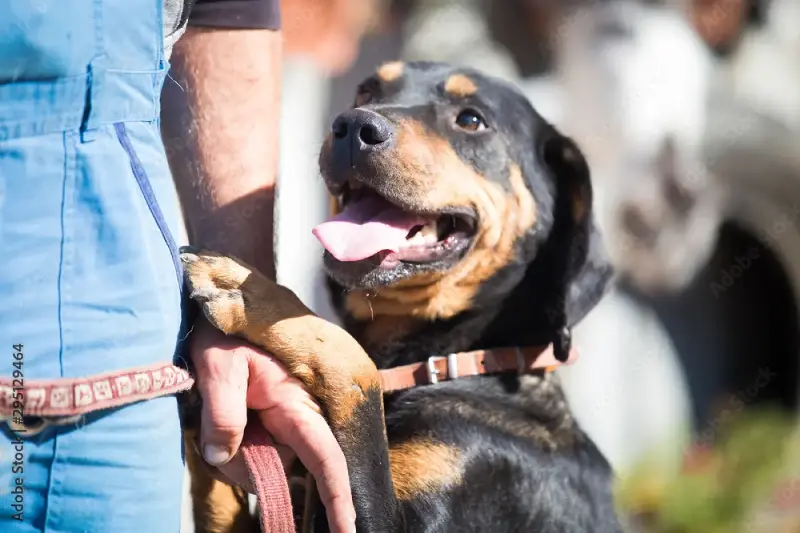
if your previous companion had special needs or long-term health challenges, you may need to give yourself time to recover from the emotional and financial demands before welcoming another animal.
the role of memorialization
many people find it helpful to create a meaningful tribute to their lost pet before welcoming a new one. this might include making a donation in their name, planting a tree, or compiling photos and memories in a scrapbook. such rituals can help you find closure and honor the special place your companion held in your life, making space for new beginnings.
support networks make a difference
grieving the loss of a pet can feel isolating, especially if those around you don’t fully understand the depth of your bond. tapping into support systems, whether that’s a trusted friend, a pet loss support group, or a therapist specializing in animal bereavement, can help you process the experience and gauge your readiness for another pet.
rescue organizations, too, often offer guidance for those who are mourning, and some even have specific adoption counselors trained to help people navigate this transition. they may suggest fostering as a gentle first step, allowing you to care for a pet temporarily until you feel fully confident about adopting again.
special considerations for multi-pet households
the dynamics of a home with other animals can also affect timing. surviving pets may mourn in their own ways, displaying changes in appetite, behavior, or energy levels. animal experts recommend monitoring how your remaining pets adjust before bringing in a new family member, as the stress of change could compound their own sense of loss.
alternatives to immediate adoption
if you’re not sure about adopting right away, there are meaningful ways to stay connected to animals, such as volunteering at a local shelter or fostering. these experiences let you offer love and support to animals in need, while also giving yourself time to heal and reflect on what you want in your next pet relationship.
your journey, your timeline
ultimately, there is no “right” or “wrong” answer to the question of when to adopt again after losing a pet. it’s a deeply personal choice that should honor both your emotional needs and your capacity to provide a loving, stable home.
whatever path you choose, know that your willingness to open your heart again is a testament to the joy and comfort pets bring to our lives — a legacy worth celebrating, no matter how long it takes to arrive at your next chapter.