


Every parent wants the very best for their child—a bright future full of opportunities, happiness, and self-confidence. While academic achievements get a lot of attention, the truth is that success in life often comes down to more than just grades and test scores. Teaching your child essential life skills early gives them a foundation to face real-world challenges with optimism and resilience. It’s never too early to start. Here are seven powerful life skills that can unlock your child’s future success, along with interesting facts to help you along the journey.

Communication: Building Bridges Early
Children who can express their emotions, needs, and thoughts clearly build stronger relationships and tend to do better in school and social situations. Research shows that children who develop effective communication skills before kindergarten are more likely to resolve conflicts peacefully and demonstrate higher emotional intelligence throughout life. Play-based activities, like puppet shows or storytelling, encourage little ones to find their voice and understand others’ feelings—a critical building block for future leadership and teamwork. Even casual chatter at the dinner table or during a walk outside can help reinforce these skills.
Problem-Solving: Fostering Creative Thinkers
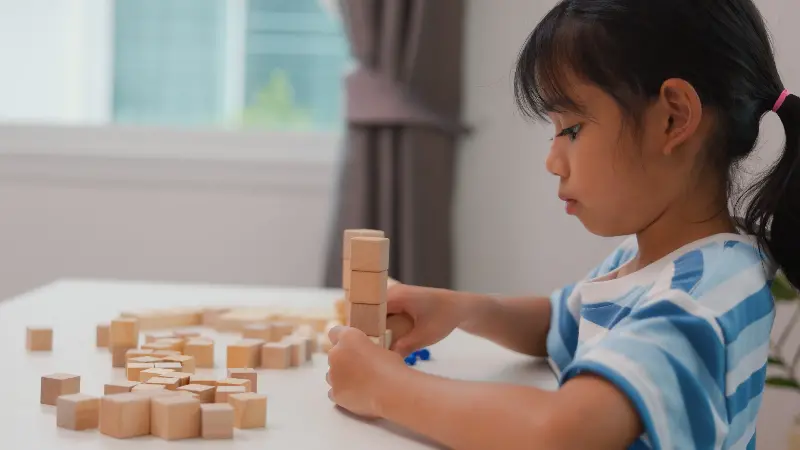
The world moves fast and is full of surprises—helping your child become a creative problem solver early can make all the difference. Kids as young as preschool age can start practicing these skills by figuring out the best way to build a tower of blocks or discovering how to share toys with friends. A fascinating study from the University of California found that children who are encouraged to tackle small problems on their own at a young age are more likely to approach bigger challenges with confidence and calm later in life. Instead of giving immediate answers, try asking questions like, "What do you think we should do next?" or "Is there another way we could try this?"
Emotional Intelligence: Recognizing Feelings and Empathy
Understanding and managing emotions doesn’t come naturally—it’s a skill set that takes time to learn. Recognizing feelings, both their own and those of others, helps children navigate friendships and cope with life’s ups and downs. Teaching empathy and kindness has powerful ripple effects; students who show high emotional intelligence perform better academically and are less likely to experience bullying or social isolation. Activities like naming emotions, drawing how they feel, or discussing characters’ feelings in storybooks can make these early lessons simple and fun.
Self-Reliance: Growing Independent Learners
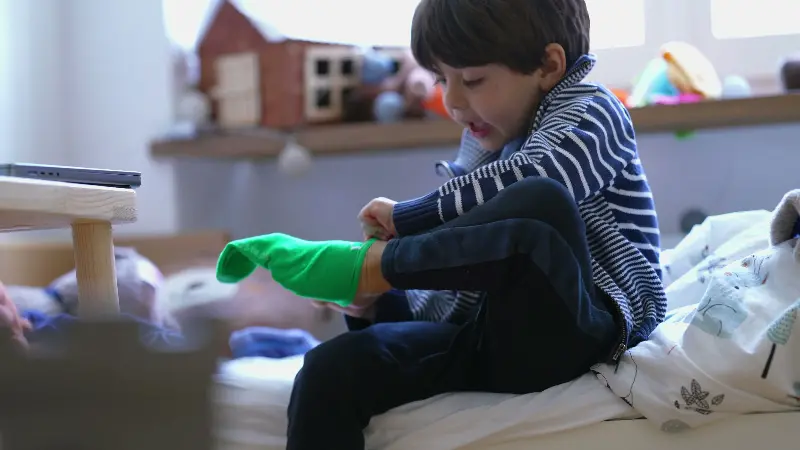
Self-reliance is the quiet engine behind confidence. Children gain a sense of pride and capability when they’re trusted with age-appropriate responsibilities. This can start as simply as putting away toys, choosing their own clothes, or helping set the table at dinner. According to a survey by the American Academy of Pediatrics, allowing children to do things by themselves—even if it takes a bit more time—builds self-esteem and helps them bounce back from setbacks. As they grow older, continuing to offer choices and responsibilities helps them become independent thinkers and proactive problem solvers.
Resilience: Bouncing Back from Setbacks
Setbacks are an inevitable part of life. What matters most is how children respond to disappointments, failures, or initial setbacks. Studies from Harvard University highlight that resilience, or the ability to bounce back, is strongly influenced by a child’s early environment—particularly the support and encouragement they receive from caregivers. Letting your child make mistakes in a safe environment and celebrating effort (not just success) teaches them that failure is just part of learning. You can help by modeling patience and perseverance, and by reminding children of times when they overcame something difficult in the past.
Financial Awareness: The Basics of Money Sense
It’s never too soon to introduce children to basic financial concepts. Teaching kids about saving, spending, and sharing can build lifelong habits that set them up for future success. Simple activities, like giving a small allowance in exchange for chores or playing “grocery store” together, can open conversations about choices and priorities. Surveys show that children who learn basic money management before age 10 are more likely to practice budgeting and smart spending as young adults. Encourage saving for a small toy or sharing part of their allowance for a meaningful cause to reinforce these practical lessons.

Decision-Making: Guided Choices for Growing Up
Life is a series of decisions, big and small. Children who learn to weigh their options and consider consequences at an early age are better equipped to face peer pressure and make wise choices down the road. Offering guided choices (“Would you like to wear the red shirt or the blue one today?”) builds decision-making muscle and confidence. Experts recommend creating opportunities for children to practice making decisions in low-stakes settings, reminding them that mistakes are simply chances to learn.
The gift of these life skills is that they grow right alongside your child. Encouraging communication, creativity, empathy, independence, resilience, financial know-how, and decision-making puts them on a path to not just academic achievement, but real-world success. Remember, it’s not about being perfect or getting every moment right—what matters is showing up, trying together, and celebrating progress along the way. Each of these skills is like planting a seed; with patience, encouragement, and practice, you’re unlocking a future where your child can thrive, no matter what challenges come their way.