


Whether you’re setting off for a familiar getaway or stepping into completely new territory, nothing should hold you back from exploring the world. Every adventure starts with excitement, but staying secure and prepared ensures every story you bring home is worth telling. By blending a curious spirit with smart planning, you can make each trip unforgettable for all the right reasons.
Pre-Trip Preparation: Laying the Foundation
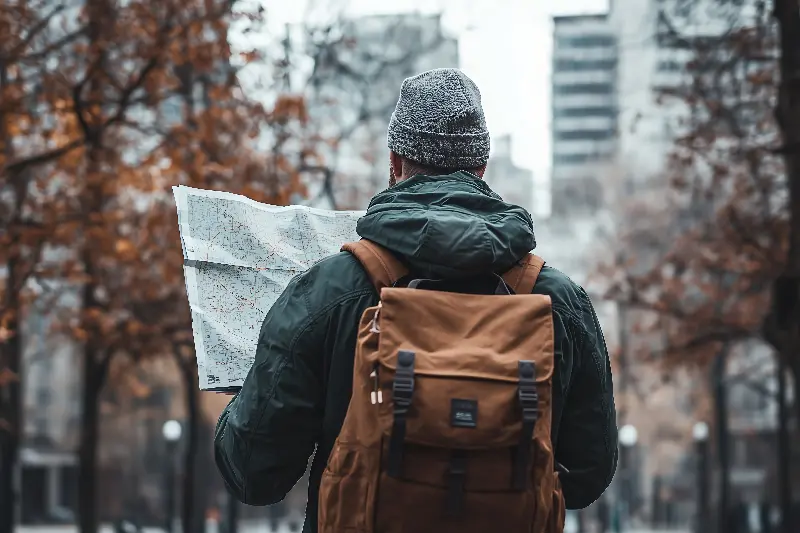
Research is more than just finding the best beaches and restaurants. It’s about understanding the heartbeat of your destination. Before departure, learn about cultural norms, local scams, weather patterns, and political climates. Sources like government travel advisories, seasoned travel blogs, and recent forum posts will help you gauge current events and neighborhood safety.
Photocopy important documents, including your passport, ID, travel insurance, and itinerary. Store copies in different bags and email digital versions to yourself. Having backups can save you hours, if not days, should anything go amiss. Apps like Google Maps and offline translators can prove invaluable when navigating or when you’re in a country with spotty WiFi.
Travel insurance often feels like an afterthought, yet it’s a non-negotiable part of worry-free travel. Make sure your policy covers more than just medical emergencies—look for clauses on theft, cancellations, and natural disasters. The peace of mind is well worth the small investment.

Smart Packing: What You Bring Matters
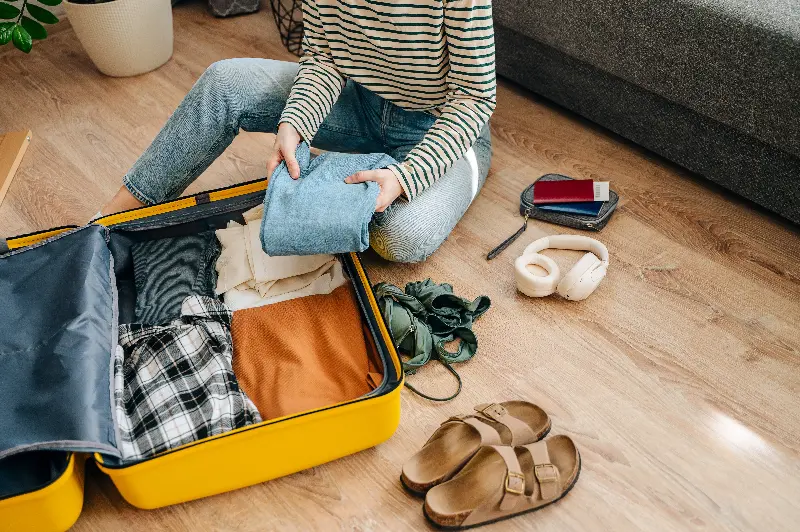
Simplicity is key to stress-free travel. Leaving a little room in your bag means not only less weight to carry but also space for treasures found along the way. A good rule of thumb is to pack versatile clothing, a sturdy pair of walking shoes, and weather-appropriate outerwear. Consider items that can be layered and adapt to both city strolls and countryside hikes.
A hidden money belt or a neck pouch can keep cash and passports close and out of sight. RFID-blocking wallets offer extra protection from digital pickpockets. If you’re traveling with expensive photography gear or electronics, invest in locks or anti-theft backpacks.
Never underestimate the value of a first-aid kit, even if it’s just bandages, antiseptic wipes, and any necessary medication. Local pharmacies might stock unfamiliar brands, so bring what you trust. Don’t forget a spare power bank: a single charging cable or universal adapter can be a lifeline if your phone dies at an inconvenient moment.
Staying Connected and Aware
Connectivity is your travel anchor. Even if you plan to disconnect, having access to local SIM cards or portable WiFi keeps you in touch with friends, family, and emergency contacts. Save essential numbers locally, including your country’s embassy, local emergency services, and accommodation contacts.
Staying aware means more than watching your bags. Keep an eye on your surroundings, especially at ATMs, public transit stops, and crowded areas popular with tourists. It helps to have a backup plan for getting back to your lodging—whether it’s knowing how to hail a taxi, finding the night bus schedule, or using a reputable ride-sharing app.
Blending in often means fewer hassles. When in doubt, observe and follow how locals behave, dress, and interact. This not only reduces your risk of standing out as a target but enriches your experience with authentic connections.

In the Moment: Practical On-Ground Safety Tips
Safe travel isn’t about being afraid; it’s about being informed. For instance, on arrival, scan your surroundings before hopping into any vehicle. Check if drivers match your app booking, and opt for marked taxis where possible.
Being cautious doesn’t mean sacrificing spontaneity. Trusting your instincts is often as valuable as your guidebook—if a situation feels odd, it’s perfectly okay to excuse yourself. Many seasoned travelers share stories where a gut feeling saved them from tourist traps or awkward encounters.
Stay hydrated and be mindful of food and water sources, especially in places with different hygiene standards. Sticking to bottled water, avoiding ice, and eating where locals flock are simple choices that can save you from travel bugs.
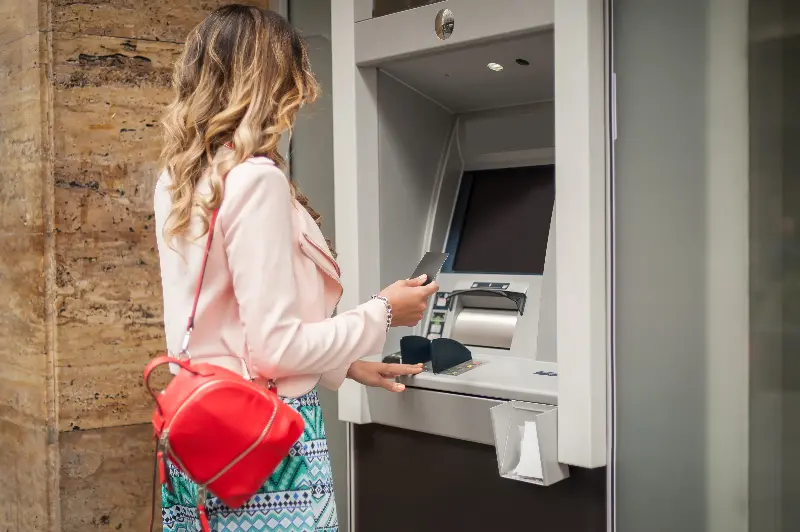
Handling your money thoughtfully is another core skill. Use ATMs during daylight hours in secured locations like banks or inside malls. Avoid waving large sums of cash, and split funds between several safe spots to minimize losses if something goes wrong.
Solo and Group Adventures: Tailoring Your Approach
Traveling alone can be liberating but comes with unique challenges. Always inform friends or family of your itinerary and check in regularly. Apps that enable real-time location sharing add a layer of security. Women, in particular, might find certain cities or areas require extra vigilance, so research gender-specific warnings before you go.
Group travel, while comforting, can create a false sense of security. Agree on meeting points if you get separated, and don’t share every plan or location with strangers you meet on the road.
Turning Mishaps Into Lessons
Even the best-laid plans can go sideways. Missed flights and minor scams are part of the travel tapestry. Approach every hiccup with a calm mind—most problems are solvable, and a helping hand is often just around the corner. Flexibility and patience turn chaos into opportunity.
Traveling the world confidently is less about fearless wandering and more about mindful discovery. With these practical tips, each adventure—whether solo or shared—becomes not just a journey, but a seamless, safe, and spectacular story to tell.