


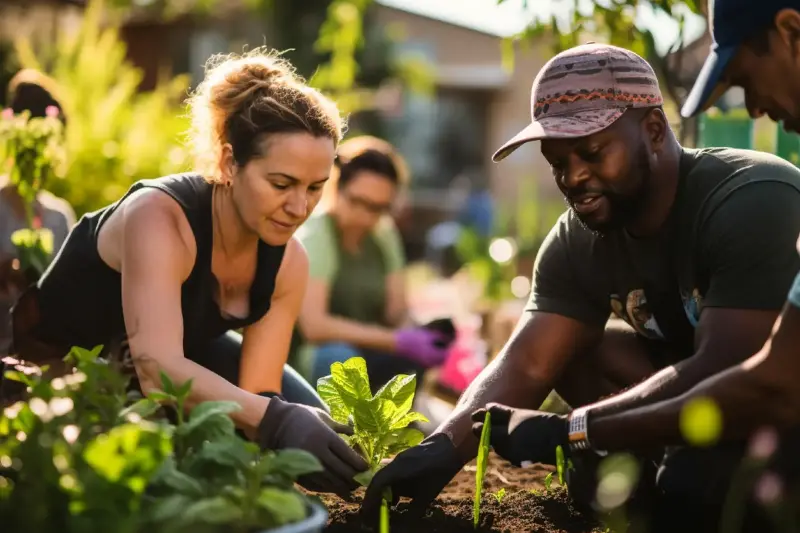
in the heart of cities often defined by busy streets, digital distractions, and anonymous faces, a quiet revolution is taking place on empty lots, rooftops, and abandoned backyards. community gardens—patches of green space cultivated and cared for by neighbors—are sprouting up in urban areas at a remarkable rate. beyond their obvious benefits of fresh produce or flowers, these gardens are sowing the seeds of renewed social connection in places where it is often most endangered.
the modern urban landscape can be isolating. millions navigate cities each day, packed into apartments and bustling through public spaces, yet research repeatedly shows that city dwellers report higher rates of loneliness compared to suburban or rural counterparts. much of this is attributed to the design of urban environments, which historically have prioritized cars over people and buildings over parks, making casual social interaction both rare and awkward.
community gardens are bucking this trend by providing a natural gathering point where neighbors can meet, share stories, and collaborate. what might start as a desire to grow a tomato plant can quickly become an excuse to chat over a watering can, borrow a tool, or teach a child how to plant seeds. suddenly, a nameless neighbor becomes a fellow gardener, and casual interactions deepen into something more.
studies support the idea that these green spaces help foster a sense of belonging. a 2022 survey from the american community gardening association found that 83% of participants said they felt “more connected” to their neighborhood after joining a community garden. the physical act of working together on a shared project creates natural opportunities for trust and connection to develop. for many, it’s the first time they’ve met or spoken meaningfully with those living just doors away.
the gardens themselves are as diverse as the communities they serve. in los angeles, for example, gardens have become cultural oases where immigrant families bring seeds and cultivation techniques from their home countries, sharing traditional crops and recipes with neighbors from vastly different backgrounds. in new york, rooftop gardens bring together apartment-dwellers who otherwise might only interact in crowded elevator rides, while in detroit, formerly abandoned lots have blossomed into vital public spaces bridging racial and economic divides.
the social revival isn’t only for adults. community gardens provide teenagers a healthy alternative to online-only friendships by offering a tangible space to meet and learn real-world skills. younger children, meanwhile, benefit enormously from hands-on exposure to plant science, sustainability, and even simple teamwork. parents often note that kids who might have been shy or withdrawn thrive when given the chance to dig, plant, and play beside others.
even for those who don’t directly participate in gardening, the presence of these leafy enclaves makes a difference. a study published in the journal landscape and urban planning found that crime rates were lower in neighborhoods with well-maintained community gardens, with researchers suggesting that increased foot traffic and sense of ownership discourage illicit activities. the simple visibility of shared green spaces signals that residents are invested in their community, deterring potential crime and boosting neighborhood pride.
the economic impact shouldn’t be dismissed either. while community gardening is rarely a money-making venture, cities have noted that property values tend to rise in areas near active gardens—not just because of beautification, but because visitors and new residents often seek out neighborhoods where social ties and green spaces are strong. these gardens can also help tackle urban food deserts by providing fresh produce in areas where supermarkets are scarce, building both nutritional health and camaraderie among neighbors sharing the harvest.
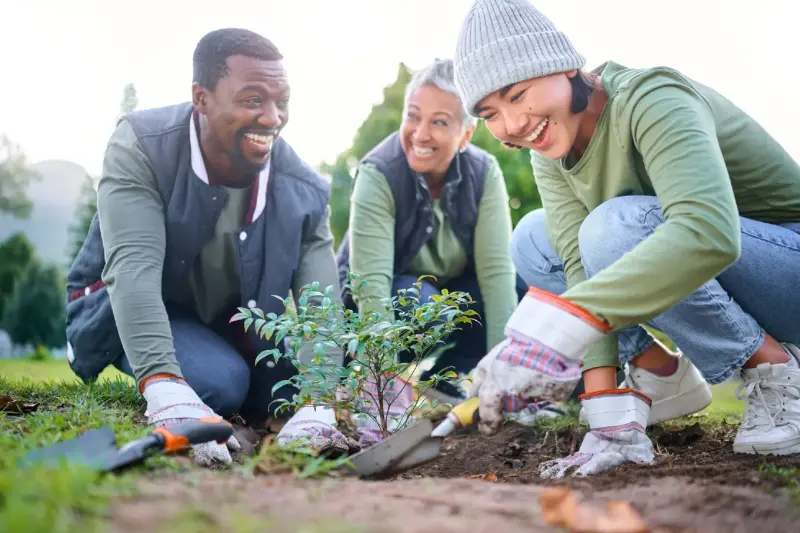
wellness benefits reach beyond fresh vegetables. psychologists note that sharing physical activity outdoors is a natural way to combat stress, anxiety, and even depression. the communal aspect amplifies this effect, as tending a plot becomes a shared responsibility rather than a solitary chore. laughter, shared meals, and collective problem-solving are as much a part of garden culture as watering schedules and compost bins. there’s even evidence that “micro-interactions”—those brief, friendly exchanges that happen over the garden fence—can boost daily happiness and help combat feelings of urban alienation.
importantly, community gardens also serve as platforms for civic engagement. many gardens become springboards for local activism, hosting voter registration drives, environmental workshops, and cultural events. in some cities, neighborhood alliances have formed through these spaces, organizing around issues like local zoning laws, pollution, or park preservation. a patch of green may start as a way to grow basil, but can evolve into a stage for community voices rarely heard in bigger urban systems.
none of this is to suggest community gardens are a panacea for urban social woes. challenges abound, from securing land rights to organizing volunteers and dealing with issues of inclusivity and representation. but the remarkable thing is that, by their very nature, gardens demand cooperation. sharing tools, space, and responsibility forces communication and conflict resolution in ways that sharpen social skills and deepen mutual respect—even when disagreements arise over tomatoes or cucumbers.
in a world where neighborhoods are often defined by privacy fences and security systems, community gardens offer a hopeful counter-narrative. they revive the ancient idea that cities can be places of connection as well as commerce. whether you’re a seasoned green thumb or just curious about what the neighbors are growing, stepping into a community garden means stepping into a living, breathing network of relationships—one leaf at a time. the next time you pass by a tangle of sunflowers or see a sign for community gardening, know that underneath the soil, friendship is quietly taking root.