


Why settle for bland? Spice cabinets explode with flavor as home cooks discover the magic of berbere, za’atar, and gochujang
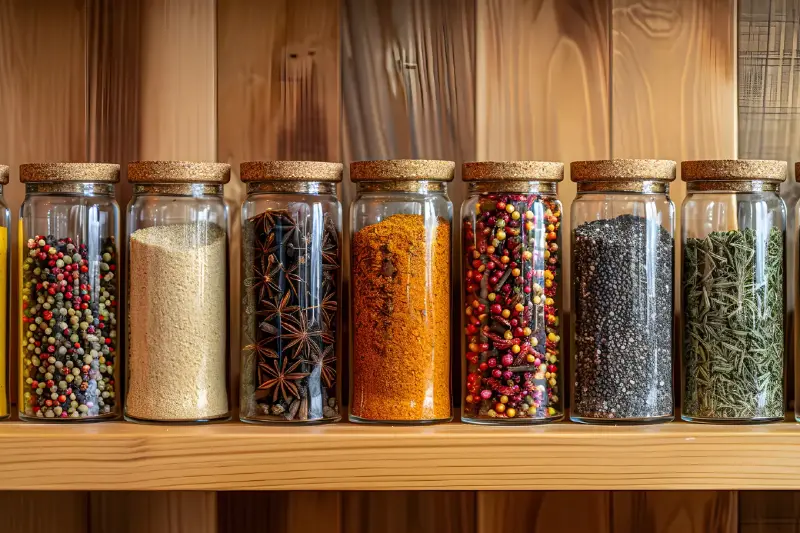
Have you ever wondered why your home-cooked meals sometimes feel flat, no matter how fresh your ingredients are? Here’s a secret the world’s most passionate cooks know: when you open your spice cabinet to berbere, za’atar, and gochujang, you’re unlocking a global passport to flavor - no expensive gadgets required.
As you stand over a simmering pot or plate a simple tray of roasted vegetables, the right spice can transform the ordinary into the extraordinary. This isn’t about culinary pyrotechnics or Instagrammable gadgets; it’s about gentle heat that lingers on your tongue, a citrusy tang that enlivens greens, and a depth of taste that makes weeknight noodles suddenly craveable. By the end of this read, you’ll not only know why these iconic seasonings have captivated chefs and home cooks from Addis Ababa to Seoul, but you’ll also be inspired - and fully equipped - to try them in your own kitchen.
From Addis to Seoul: A journey in a jar
Let’s be honest: every cook dreams of those “wow” moments at the table, the kind that spark conversation and trigger nostalgia or adventure with a single bite. The beauty of spices like berbere, za’atar, and gochujang is their power to create those moments effortlessly, with a sprinkle or a spoonful.
Berbere: a deep, complex Ethiopian blend packed with chiles, garlic, fenugreek, and warming spices.
Za’atar: a Middle Eastern mix, tangy with sumac, earthy with thyme, and nutty with toasted sesame seeds.
Gochujang: a fermented Korean chili paste, sweet and spicy with a funk that gives depth to the simplest dishes.
Each carries a story, infuses your kitchen with intoxicating aromas, and invites your palate to travel somewhere new.
The drama of taste: More than just heat
A common misconception is that these spices are only for thrill-seekers with steel tongues. In reality, they bring layered, nuanced flavors that can be bold or beautifully subtle depending on how you use them. What ties berbere, za’atar, and gochujang together isn’t just provenance but the way they coax complexity out of humble ingredients.
Consider these transformations:
- Roasted cauliflower tossed in oil and dusted with berbere: toasty, slightly smoky, addictively warm.
- Flatbread drizzled with olive oil, lavishly sprinkled with za’atar: herbal, invigorating, perfect for sharing.
- Simple noodles or grilled chicken swirled with gochujang: umami-rich, satisfyingly spicy, and done in minutes.
Elevate, don’t complicate: The home cook’s advantage
Here’s what sets these spice blends apart: their simplicity. No fancy machine whirring in the corner, no four-figure appliance required - just a small jar and a little curiosity. You can make a supermarket rotisserie chicken taste like a restaurant dish with a light smear of gochujang mayo. Or turn a basic salad into a feast for the senses with a handful of za’atar.
Key reasons to experiment with these flavor powerhouses:
- Instant impact: Even a tiny amount delivers a big flavor upgrade.
- Versatility: Mix into dressings, rub on proteins, swirl through soups, or dust on popcorn.
- Budget-friendly: One jar can last for weeks and rescue countless uninspired meals.
- Healthful: These blends often pack antioxidants, minerals, and plant-based nutrition.
Za’atar: The secret that makes food sing
If you’ve never experienced za’atar, imagine the brightness of fresh lemons and the comfort of thyme converging on your tongue, followed by the nutty crunch of sesame. Its flavor is hard to pin down - herby, tangy, a bit wild - and for many Middle Eastern families, it’s as essential as salt.
It’s not just for bread:
- dust onto roasted carrots or tomatoes for an instant lift
- fold into labneh or yogurt for a luscious dip
- stir into scrambled eggs for a brunch twist
In every bite, za’atar delivers an energy that wakes up even the most familiar foods.
Berbere: An essential heat with history
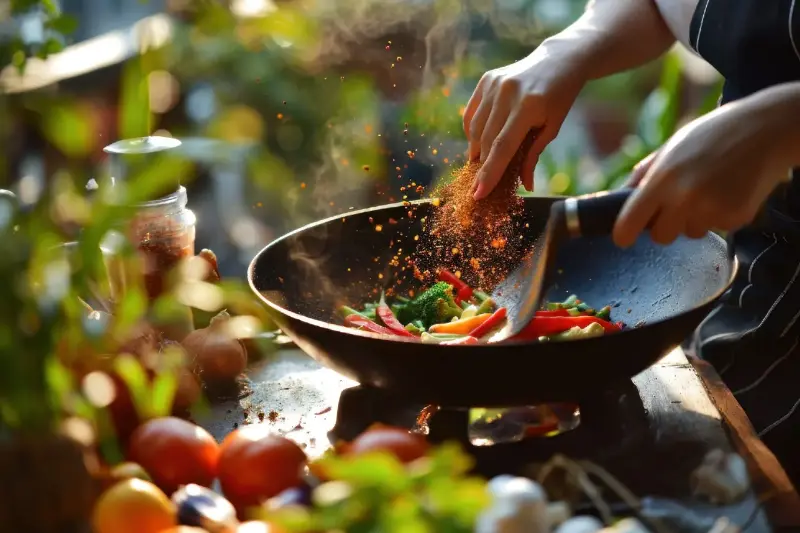
Berbere’s seduction lies in its complexity. The blend’s precise recipe is fiercely guarded among Ethiopian cooks and can range from fiery to mellow, depending on the ratios of paprika, ginger, coriander, fenugreek, cinnamon, and more. When you use berbere, you’re adding generations of shared spice wisdom to your dish.
How to try it:
- toss with olive oil and sweet potatoes before roasting
- stir into lentil soup for a warming kick
- use as a dry rub for chicken or tofu before grilling
It’s the kind of heat that builds, hugs, and keeps you coming back for just one more forkful.
Gochujang: Korea’s answer to depth and drama
With its lively red hue and punchy flavor, gochujang brings so much more than just spice. Because it’s fermented, it layers in gentle sweetness and savory umami. It’s the backbone of Korean classics, but easily fits into Western weeknight cooking.
How you can play:
- whisk with soy sauce and honey for a bold marinade
- blend into ketchup or mayo for a next-level burger or fries
- add to soups or stews, from ramen to chili, for instant depth
Just a spoonful unlocks a rainbow of new possibilities.
Spice, meet simplicity: No chef’s coat needed
You don’t need a chef’s training or endless free time to create show-stopping flavor. In fact, the best part is how these blends embrace simplicity. Start with what you have - canned chickpeas, supermarket chicken, garden tomatoes - and let your spice cabinet do the heavy lifting.
Try these quick flavor combos tonight:
- Berbere roasted carrots and chickpeas: Toss with oil, bake, finish with fresh cilantro.
- Za’atar avocado toast: Sprinkle generously, drizzle with olive oil, top with chili flakes.
- Gochujang glaze for grilled steak or mushrooms: Mix with soy and a little honey, brush before serving.
Suddenly, your Tuesday night is transformed.
Because when you cook with these spices, you’re not just feeding your stomach - you’re waking up your soul.
A new chapter for your kitchen
So, what will you reach for next time you open your spice cupboard? Will it be the fiery depths of berbere, the zingy uplift of za’atar, or the bold embrace of gochujang? The most exciting part is that you don’t need exotic ingredients or pricey gear - just a willingness to play, to taste, to let your meals carry you somewhere surprising.
The world within your kitchen is bigger than you think. Maybe tonight, with a sprinkle here and a swirl there, you’ll discover a new favorite - or even a new part of yourself.
What flavor adventure is calling your name?