


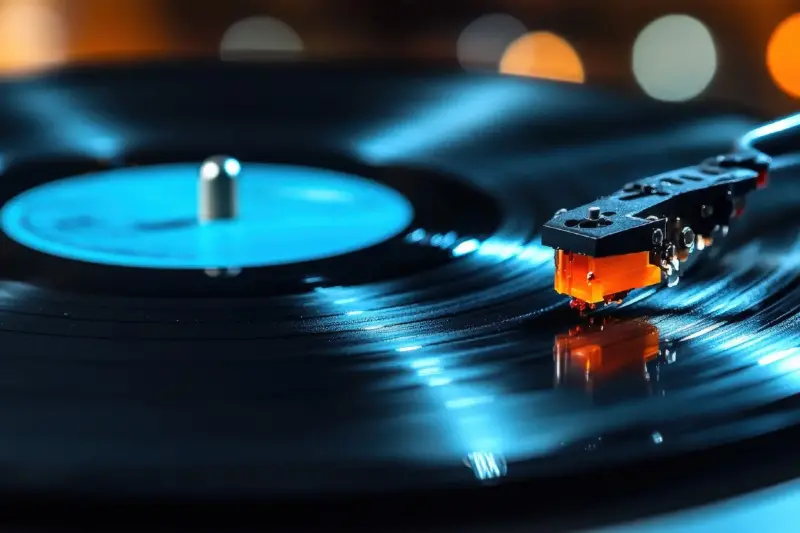
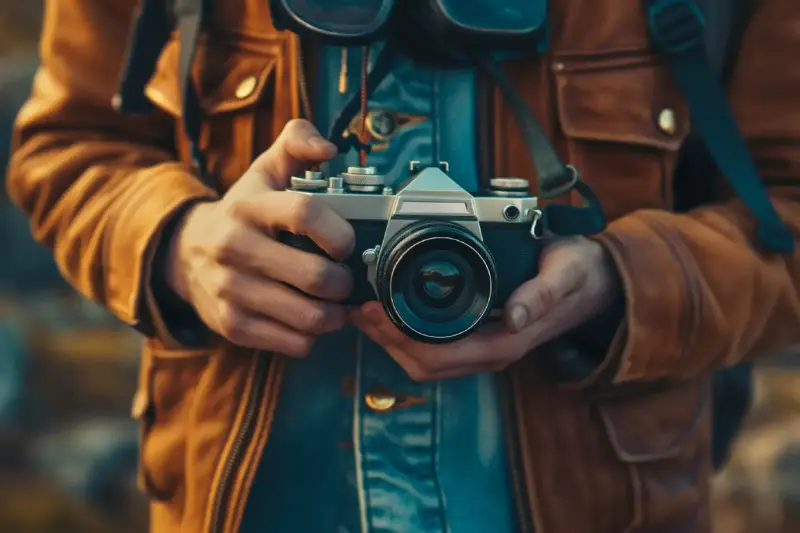
in an age where our phones are smarter than ever and emails demand near-instant replies, a surprising movement is quietly gaining momentum among top-tier professionals: the return to analog hobbies. this trend sees lawyers, doctors, engineers, executives, and entrepreneurs trading digital overload for tactile experiences like vinyl record collecting, woodworking, film photography, bookbinding, and even pen-and-paper journaling. so what is it about analog pursuits—those refreshingly hands-on activities, ages removed from screens—that appeal so strongly to high achievers?
for many, the answer is straightforward: analog hobbies offer an antidote to the constant buzz and fragmentation of the digital world. while smartphones and laptops are designed to ping, distract, and demand immediate reaction, analog activities provide singular focus and an immersive escape. woodworking, for instance, requires presence—your attention must be fixed on the grain of the wood, the calibration of the saw, the texture beneath the sandpaper. these hobbies not only demand skill, but they give back pride in the form of something tangible and lasting.
but there’s more to it than just temporary unplugging. high-achieving professionals are drawn to analog hobbies because they offer a clear, measurable sense of progress. in a digital environment, successes and failures can be ephemeral—a perfectly executed business strategy might top a chart, only to be forgotten with the next quarterly report. in contrast, completing a hand-bound journal or successfully developing a roll of 35mm film provides accomplishments you can literally hold and share. there is satisfaction in progress you can see and touch.
interestingly, research backs up the mental benefits of analog activities. neuroscientist dr. randall feldman explains that tactile, process-oriented hobbies light up different neural circuits than typical digital tasks. when you turn clay on a wheel, thread a needle, or even doodle on paper, your brain switches into what psychologists call a “flow state”—a mental zone where stress decreases, creativity spikes, and hours can pass unnoticed. it’s the kind of rejuvenation that digital multitasking often fails to deliver.
the analog trend also speaks to a desire for authenticity and the joy of imperfection. digital tools are brilliant at eliminating errors—they autocorrect, they filter, they erase—but mastery over a physical skill requires tolerance for mistakes and an appreciation for the handmade. each wood carving or analog photograph is unique, complete with quirks and happy accidents. for professionals whose livelihoods may depend on perfection and precision, analog hobbies offer a safe space to experiment and even to fail. it’s not just nostalgia; it’s permission to be human.
community is another major draw. although analog hobbies are often practiced in quiet solitude, they’re also avenues for meaningful human connection. vinyl collectors, for example, gather at swap meets or in cozy record stores, poring over dusty crates and trading recommendations. bookbinders frequently share tips and handmade volumes in workshops or online forums. these communities aren’t just about the objects—they’re about the shared love for craft, process, and patience. high-achieving professionals, accustomed to competitive environments, find camaraderie in these circles; status is measured less by one’s job title and more by one’s skill or dedication to the hobby.
the resurgence of analog has also been fueled by a growing skepticism about digital permanence. photos can vanish with a corrupted hard drive; playlists can disappear if a streaming service closes down. physical hobbies offer something lasting—a book, a bowl, a vinyl record, a letter—anchoring memories in an increasingly transient culture. this sense of ownership and legacy appeals to professionals who are used to rapid change and digital disposability in their careers.
research suggests that analog hobbies can improve problem-solving and patience—qualities valuable in high-stakes professions. chess, knitting, fly fishing, and even analog puzzles slow time and encourage strategic thinking. ceos and startup founders report that hours spent in their gardens or darkrooms help them return to work with fresh perspectives and sharper focus.
while analog hobbies may seem like a backward move to some, it’s clear that turning to vinyl, fiber, film, or wood is less about rejecting technology than about reclaiming balance and self-awareness. many high achievers don’t shun the digital—they embrace it for its efficiency—but deliberately choose analog when they seek restoration. it’s a form of self-care, sometimes even described as a rebellion against the always-on culture. in fact, social media itself has begun to reflect this, with hashtags like #analoglife and #slowhobbies showcasing thousands of stories and creations.
ultimately, the growing appeal of analog hobbies among high-performing professionals demonstrates that even in our hyper-connected, algorithm-driven era, the ancient human need for hands-on experience and creative play persists. these activities may not help you answer an email quicker or automate your workflow, but they offer a different kind of return—connection to self, community, and a pace of life measured not in milliseconds, but in moments.