


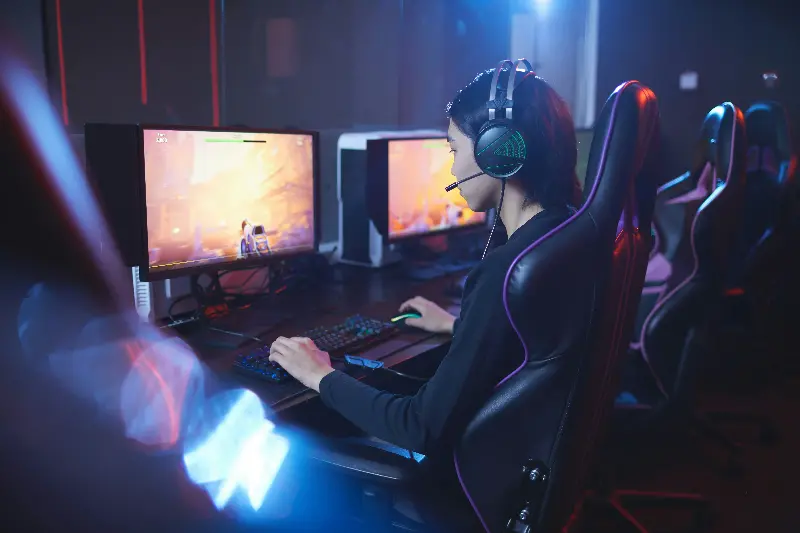
Once dismissed as mere pastimes, video games have transformed into powerful engines for health, therapy, and cognitive enrichment. Today, pixels and polygons are more than simple portals to fantasy—they are reshaping minds, bodies, and communities across generations. The line between play and wellness is blurrier than ever, beckoning us to reconsider the true potential of interactive entertainment.
Rewiring the Mind: Brain Games and Cognitive Fitness
Step aside, crossword puzzles—today’s brain-boosters wear digital armour. Meticulously crafted games like Lumosity and Brain Age promise to sharpen memory, attention span, and problem-solving skills through daily mental workouts.
- A 2017 review in Frontiers in Human Neuroscience found that certain video games actually improved mental flexibility and processing speed in adults.
- Researchers at UC San Francisco created “NeuroRacer”, a game clinically shown to reverse cognitive decline in older players, increasing multitasking skills and even working memory.
It’s not all about older adults either. Children grapple with fast-paced games like Minecraft, subtly building spatial reasoning and creativity. Even the simple act of navigating a virtual world can help map abstract thinking in young minds, preparing them for complex, real-life problem-solving.
From Rehabilitation to Relaxation: Games in Healthcare
Digital therapy is rapidly becoming a mainstay in doctor’s toolkits. Video games are now prescribed to treat everything from motor deficiencies to mental health challenges. For instance:
- Stroke Recovery: Specially designed games, such as those using the Nintendo Wii, encourage stroke survivors to practise precise movements, leading to improved hand-eye coordination.
- Pain Management: Immersive VR games have been shown to distract burn patients during wound care, significantly reducing their pain, according to research published in The Lancet.
- Emotional Wellbeing: Soothing, story-driven games like “Journey” or “Animal Crossing” foster calm, connection, and self-expression, offering a safe retreat from the stresses of daily life.
It’s not only the mind that heals—games motivate the body too. Augmented reality titles like Pokémon Go have inspired millions to step outdoors in pursuit of digital creatures, leading to higher physical activity and spontaneous socialising. Who would have imagined a chase for virtual animals could turn into a global wellness movement?
Breaking Barriers: Inclusion, Accessibility, and Global Reach
Perhaps the most remarkable aspect of gaming’s therapeutic revolution is its inclusivity. Adaptive controllers and specially tailored games now empower those with disabilities to play, compete, and collaborate on equal footing. Tools like Microsoft’s Adaptive Controller and eye-tracking technologies are breaking down barriers that once seemed insurmountable.
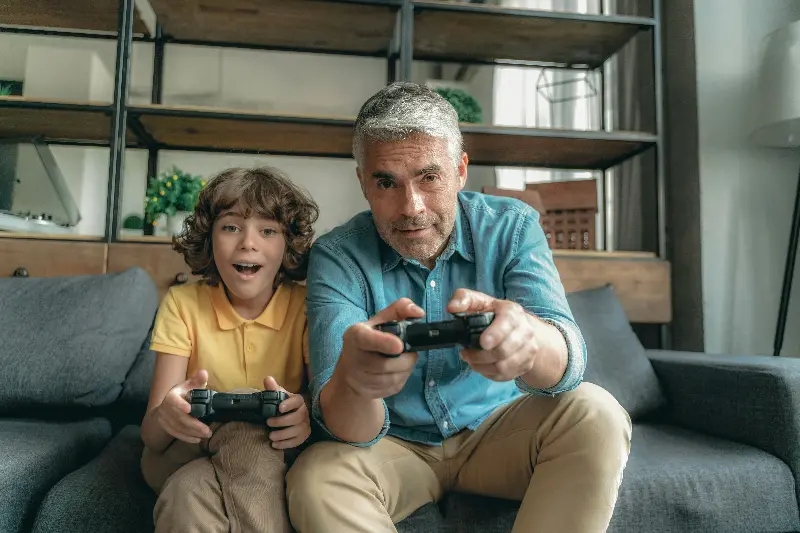
Across continents, gamers form communities—some focusing on fitness challenges, others uniting to combat loneliness via multiplayer adventures. Age fades into irrelevance as grandparents, parents, and children find common ground in digital landscapes. Gaming is no longer just a solitary escape; it’s a vibrant social tapestry connecting millions.
The Future Awaits: Games as Medicine and Beyond
As artificial intelligence and virtual reality advance, the next wave of games for health, therapy, and cognitive growth looms large on the horizon. Expect personalised experiences that adapt cleverly to each player’s needs, ongoing research further proving the clinical value of “prescription play”, and, perhaps soon, games as standard recommendations in health care plans worldwide.
In this burgeoning world where digital adventures nurture our bodies and minds, one question lingers: Are we merely at the beginning of a health revolution powered by play? Perhaps tomorrow’s medicine will not be a pill, but a pixel.